
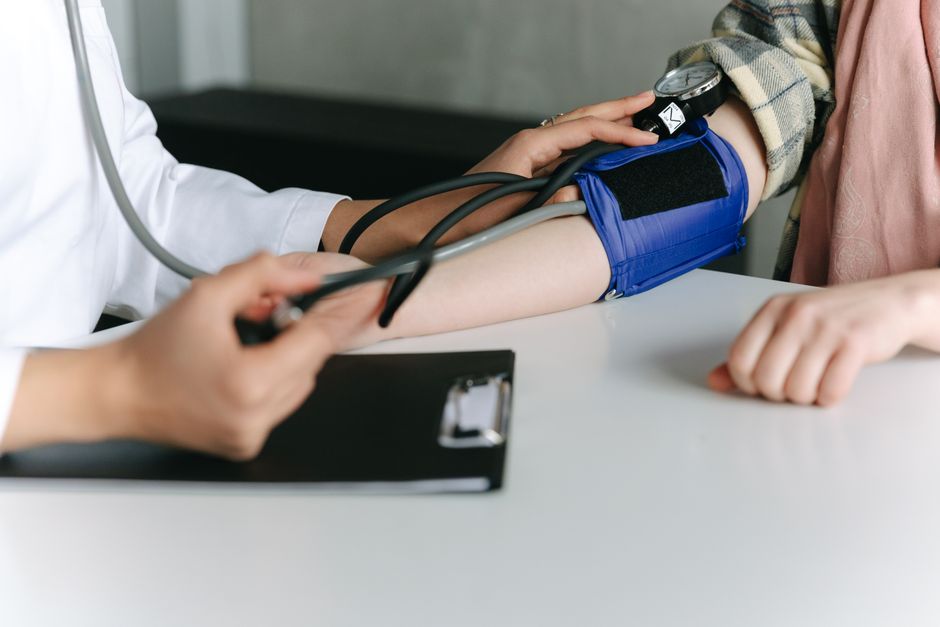
High blood pressure is one of the most common health conditions in the United States, affecting nearly half of all adults. The good news is that daily habits have a direct and measurable impact on your numbers. Lifestyle changes are often the first step doctors recommend, and for many people, they are enough to bring blood pressure back into a healthy range without medication.
What Blood Pressure Numbers Actually Mean
Blood pressure is measured in millimeters of mercury (mmHg) and recorded as two numbers. The top number, systolic pressure, measures the force when your heart beats. The bottom number, diastolic pressure, measures the force between beats when your heart rests.
A normal reading is below 120/80 mmHg. Elevated blood pressure starts at 120-129 systolic with diastolic below 80. Stage 1 hypertension is 130-139 systolic or 80-89 diastolic. Stage 2 hypertension is 140/90 or higher. These categories come from established clinical guidelines and are used by doctors across the country.
Understanding where you fall matters because the lifestyle changes that help are the same at every stage, but the urgency differs. If your numbers are consistently above 130/80, talk to your doctor about a complete plan.
How Does Diet Affect Blood Pressure?
What you eat changes your blood pressure within weeks, not years. The most studied eating pattern for blood pressure is the DASH diet, which stands for Dietary Approaches to Stop Hypertension. Research consistently shows this approach lowers blood pressure in people with and without hypertension.
The DASH diet emphasizes vegetables, fruits, whole grains, and lean proteins while limiting saturated fat, cholesterol, and refined sugar. It is not a restrictive plan. It is a shift in proportions — more plants, less processed food, and fewer high-sodium items.
Potassium plays a major role here. This mineral helps your kidneys flush excess sodium from your body, which relaxes blood vessel walls. Foods high in potassium include bananas, potatoes, spinach, beans, and yogurt. Most Americans do not get enough potassium, and increasing it through food is one of the most effective dietary changes you can make.
Magnesium and calcium also support healthy blood pressure regulation. Leafy greens, nuts, seeds, and dairy products are reliable sources. No single nutrient is a magic bullet, but a diet rich in these minerals creates the conditions for normal blood pressure.
How Much Does Sodium Reduction Help?
Sodium causes your body to hold onto water. More water in your bloodstream means more pressure against your artery walls. This is not a theory — it is basic physiology that has been confirmed in countless studies.
The average American consumes about 3,400 mg of sodium per day. The general dietary guideline recommends limiting sodium to less than 2,300 mg per day, which is about one teaspoon of salt. For people with high blood pressure, many clinicians recommend aiming for 1,500 mg per day, though individual needs vary.
Here is what most people do not realize: the salt shaker is not the main problem. About 70 percent of dietary sodium comes from processed and restaurant foods. Bread, deli meats, canned soups, frozen dinners, and condiments are common hidden sources. Reading nutrition labels and cooking more meals at home are practical ways to cut sodium without giving up flavor.
Reducing sodium by even 1,000 mg per day can lower systolic blood pressure by several points in many people. The effect is larger in people who are salt-sensitive, which includes older adults and people of African descent.


What Role Does Physical Activity Play?
Regular exercise strengthens your heart. A stronger heart pumps more blood with less effort, which reduces the force on your arteries. This is why physical activity is one of the most reliable ways to lower blood pressure.
Established guidelines recommend at least 150 minutes of moderate-intensity aerobic activity per week. That breaks down to about 30 minutes most days. Brisk walking, cycling, swimming, and dancing all count. The key is consistency — sporadic exercise has a smaller effect than regular activity.
Blood pressure drops shortly after exercise and stays lower for several hours. Over weeks and months, this effect accumulates. People who exercise regularly often see reductions of 5-8 mmHg in systolic pressure.
Strength training also helps. Lifting weights two to three times per week adds muscle mass, which improves metabolism and supports healthy blood pressure. You do not need a gym membership. Bodyweight exercises like squats, push-ups, and lunges are effective.
If you have not exercised in a while, start slowly. Walking for 10 minutes at a time is a legitimate starting point. The goal is to build a habit, not to run a marathon in the first week.
How To Help With Blood Pressure Through Lifestyle Changes: Weight and Waist Size
Body weight directly affects blood pressure. Every pound of excess weight requires your body to create more blood vessels to supply that tissue. More blood vessels mean more surface area for blood to push against, which raises pressure.
Research consistently shows that losing even 5-10 percent of body weight can lower systolic blood pressure by about 5 mmHg. For a 200-pound person, that is 10-20 pounds. This effect happens regardless of how the weight is lost, though sustainable methods work best long term.
Waist size matters more than overall weight for blood pressure. Fat stored around your abdomen, called visceral fat, is metabolically active and produces inflammatory compounds that constrict blood vessels. For men, a waist measurement above 40 inches raises risk. For women, the threshold is 35 inches. These are established clinical reference points.
Weight loss is hard, and anyone who tells you otherwise is oversimplifying. But the blood pressure benefit is one of the fastest and most predictable rewards of losing weight. Many people see improvements within weeks of losing even a few pounds.
How Does Alcohol and Caffeine Affect Blood Pressure?
Alcohol has a complex relationship with blood pressure. Small amounts may have a mild effect, but regular heavy drinking clearly raises blood pressure. The clinical guidance is straightforward: if you drink, do so in moderation. That means no more than one drink per day for women and two for men. One drink is 12 ounces of beer, 5 ounces of wine, or 1.5 ounces of spirits.
Drinking more than this consistently raises blood pressure. The effect is strong enough that reducing alcohol intake is a standard part of hypertension treatment. People who drink heavily and cut back often see their numbers drop within weeks.
Caffeine is different. It causes a temporary spike in blood pressure, usually within 30 minutes to two hours after consumption. For people who do not drink caffeine regularly, this spike can be significant. Regular coffee drinkers develop tolerance, and research does not show that long-term coffee consumption causes chronic hypertension.
If you have high blood pressure, it is reasonable to check your blood pressure before and 30 minutes after drinking coffee to see how your body responds. If the spike is large, consider switching to decaf or limiting intake to the morning.
Can Stress Management Lower Blood Pressure?
Stress triggers the release of hormones like cortisol and adrenaline. These hormones temporarily raise heart rate and constrict blood vessels. Over time, chronic stress keeps your body in a state of heightened alert, which can contribute to sustained high blood pressure.
The evidence for stress reduction techniques is more mixed than for diet and exercise. Some studies show that meditation, deep breathing, and mindfulness lower blood pressure modestly. Other studies show minimal effect. The honest position is that stress management helps some people, but the research is not as strong as it is for sodium reduction or weight loss.
What is clearer is that stress often leads to behaviors that raise blood pressure — overeating, drinking more alcohol, skipping exercise, and poor sleep. Addressing stress indirectly helps by making healthy habits easier to maintain.
Sleep deserves special attention. Poor sleep, especially less than seven hours per night, is linked to higher blood pressure. Sleep apnea, a condition where breathing repeatedly stops during sleep, is a major contributor to hypertension. If you snore heavily or feel exhausted despite sleeping, talk to your doctor about a sleep study.
How Quickly Do Lifestyle Changes Work?
Some changes produce results quickly. Reducing sodium can lower blood pressure within days to weeks. Regular exercise shows measurable effects within a few weeks. Weight loss effects appear as the pounds come off.
Other changes take longer. The full benefit of a DASH-style diet typically appears after about two to three months of consistent adherence. Stress reduction techniques may take months of regular practice to show measurable effects.
The most important principle is consistency. Blood pressure is not a one-time measurement — it fluctuates throughout the day based on what you eat, how you move, and how you sleep. Lifestyle changes work by shifting your average pressure down over time.
Many people see enough improvement that their doctor reduces or stops their blood pressure medication. Never stop or change medication on your own. Work with your doctor to adjust treatment based on your home blood pressure readings.
Frequently Asked Questions
How long does it take for lifestyle changes to lower blood pressure?
Some changes, like reducing sodium, can show effects within days to weeks. The full benefit of diet and exercise changes typically appears after two to three months of consistent effort.
Can I stop taking blood pressure medication if I make lifestyle changes?
Some people can, but only under a doctor’s supervision. Never stop or reduce medication on your own, as blood pressure can rise dangerously without warning.
Is walking enough exercise to lower blood pressure?
Yes. Brisk walking for 30 minutes most days meets the established physical activity guideline and has been shown to lower blood pressure in many people.
Does drinking more water lower blood pressure?
Water alone does not directly lower blood pressure in most people. Staying hydrated supports overall health, but sodium reduction and exercise have far stronger effects.
