

Yes, drinking alcohol can raise your blood pressure, and the effect is more significant than many people realize. Even one standard drink can cause a temporary spike in blood pressure, and regular drinking is linked to a sustained increase over time. The more you drink, the greater the risk, but even moderate consumption is not risk-free for everyone.
How Alcohol Affects Blood Pressure in the Body
Alcohol affects blood pressure through several different pathways in the body. Understanding these mechanisms helps explain why the relationship is so consistent across different populations and age groups.
One of the main ways alcohol raises blood pressure is by activating the sympathetic nervous system — the part of the body that controls the “fight or flight” response. This activation causes blood vessels to constrict, which increases the pressure inside them. It also raises heart rate, which puts additional strain on the cardiovascular system.
Alcohol also affects the kidneys. It alters the balance of hormones that regulate fluid and sodium in the body. Over time, this can lead to fluid retention, which increases blood volume and pushes blood pressure higher.
Another factor involves the renin-angiotensin system, a hormone system that regulates blood pressure. Alcohol stimulates this system, leading to increased production of a hormone called angiotensin II, which causes blood vessels to narrow.
There is also evidence that alcohol damages the inner lining of blood vessels over time. This damage, called endothelial dysfunction, reduces the vessels’ ability to relax and expand, which contributes to higher blood pressure.
Does Drinking Raise Blood Pressure Even With Moderate Consumption?
Yes. Research consistently shows that even moderate drinking — defined as up to one drink per day for women and up to two drinks per day for men — is associated with higher blood pressure readings.
A large analysis of multiple studies found a clear relationship between alcohol intake and blood pressure. Even one drink per day was associated with a measurable increase in systolic blood pressure — the top number in a blood pressure reading. The effect was stronger in people who drank more.
For most people, the effect of moderate drinking is modest. It may not push someone with normal blood pressure into the hypertension range. But for people who already have elevated blood pressure or other cardiovascular risk factors, even a small increase can matter.
The pattern of drinking also matters. Binge drinking — consuming five or more drinks in a short period — causes a much more dramatic spike in blood pressure. This pattern is associated with a higher risk of heart attack and stroke in the hours after drinking.
What the Research Shows About Alcohol and Hypertension
The evidence linking alcohol to high blood pressure is among the strongest in cardiovascular medicine. Studies have consistently found that people who drink more tend to have higher blood pressure than people who drink less or not at all.
Long-term studies tracking large populations have found a clear dose-response relationship. This means the more alcohol a person drinks, the higher their blood pressure tends to be. This relationship holds even after accounting for other factors like age, weight, smoking, and physical activity.
Some research suggests the effect is stronger in men than in women, but both sexes are affected. The effect also appears to be stronger in people of East Asian descent, partly because many people in these populations have a genetic variation that affects how their bodies break down alcohol.
Not all studies show identical results. Some research has suggested that very light drinking — less than one drink per week — may not raise blood pressure. But even if this is true, the protective effect is minimal and does not outweigh the other health risks of alcohol.



Does the Type of Alcohol Matter?
The type of alcohol does not appear to change the effect on blood pressure. Beer, wine, and spirits all contain ethanol, and ethanol is the compound that raises blood pressure. The delivery method does not change the fundamental effect.
Some people believe red wine is protective for the heart because of compounds called polyphenols. While red wine does contain these compounds, the evidence that they protect against high blood pressure is not strong. The alcohol in red wine raises blood pressure just like any other alcoholic beverage.
What matters more than the type of drink is the amount of alcohol consumed and the pattern of drinking. A person who drinks one glass of wine daily is at lower risk than someone who drinks the same amount of alcohol in a single binge session on the weekend.
How Quickly Does Alcohol Raise Blood Pressure?
Alcohol can raise blood pressure within hours of consumption. Studies have shown that blood pressure increases shortly after drinking and can remain elevated for several hours afterward.
In some cases, blood pressure may actually drop slightly in the first few hours after drinking because alcohol causes blood vessels to dilate initially. But this short-term drop is followed by a rebound effect where blood pressure rises above baseline levels.
This rebound effect is one reason why people who drink heavily at night may have higher blood pressure readings the next morning. It is also why blood pressure measurements taken in a medical setting may not fully capture the effect of alcohol if the person has not drunk recently.
The long-term effect develops more gradually. Regular drinking over months and years causes a sustained increase in resting blood pressure. This is not a temporary spike but a permanent shift in the body’s baseline blood pressure regulation.
Can Quitting Alcohol Lower Blood Pressure?
Yes. Studies have found that reducing alcohol intake or stopping entirely can lower blood pressure. The effect can be seen within weeks.
People who reduce their drinking from heavy to moderate levels typically see a meaningful drop in blood pressure. People who stop drinking entirely see an even larger reduction. The effect is most pronounced in people who were heavy drinkers.
It is important to note that reducing alcohol is not a replacement for blood pressure medication in people who need it. But for many people, cutting back on alcohol can reduce the number of medications needed or prevent the need for medication altogether.
If you are considering stopping drinking and take blood pressure medication, talk to your doctor first. Stopping alcohol can change how your body responds to certain medications, and your dose may need to be adjusted.
Who Is Most at Risk?
People with existing high blood pressure are at the greatest risk. Alcohol raises their blood pressure on top of an already elevated baseline, which can push them into a more dangerous range.
People with a family history of hypertension are also more vulnerable. So are older adults, whose blood vessels are already less flexible than those of younger people.
People who take certain medications should be especially careful. Alcohol can interfere with blood pressure medications and reduce their effectiveness. It can also interact with other drugs to cause dangerous drops or spikes in blood pressure.
Pregnant women should not drink alcohol at all. Beyond the well-documented risks to the developing baby, alcohol can cause pregnancy-related high blood pressure, which is dangerous for both the mother and the baby.
Practical Steps to Reduce Alcohol-Related Blood Pressure Risk
If you drink alcohol, the most effective step is to reduce your intake. The less you drink, the lower your blood pressure is likely to be.
If you choose to drink, follow these general guidelines:
- Limit alcohol to no more than one drink per day for women and two drinks per day for men.
- One drink is defined as 12 ounces of beer, 5 ounces of wine, or 1.5 ounces of distilled spirits.
- Avoid binge drinking entirely. Never consume multiple drinks in a short period.
- Have alcohol-free days during the week rather than drinking every day.
- Do not drink to manage stress. Find other ways to cope that do not raise blood pressure.
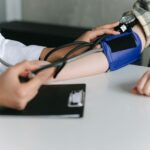
If you are trying to lower your blood pressure and are not sure whether alcohol is part of the problem, consider tracking your blood pressure at home. Take readings at the same time each day, and note whether they are higher on days after you drink.
If you have high blood pressure and drink heavily, speak with your doctor about strategies to reduce your intake. Some people benefit from structured support programs or medications that help with alcohol dependence. These are legitimate medical tools, not signs of weakness.
Frequently Asked Questions
How much does drinking raise blood pressure?
Even one drink can cause a temporary increase in blood pressure, and regular drinking is associated with a sustained increase over time. The effect is dose-dependent, meaning more alcohol leads to higher blood pressure.
Can quitting alcohol lower blood pressure?
Yes, reducing or stopping alcohol intake can lower blood pressure, often within weeks. The effect is most significant in people who were heavy drinkers.
Is red wine better for blood pressure than other alcohol?
No. All alcoholic beverages contain ethanol, which raises blood pressure regardless of the type of drink. Red wine is not an exception.
How long after drinking does blood pressure go up?
Blood pressure can rise within hours of drinking and may stay elevated for several hours afterward. Some people experience a higher reading the morning after drinking.
