

High blood pressure usually causes no symptoms, which is exactly why it is so easy to ignore and so dangerous over time. If someone you care about has been told their blood pressure is too high, the most useful thing you can do is help them keep measuring it, take prescribed medication consistently, and make steady changes to food, movement, and alcohol use. You cannot manage their condition for them, but you can make the daily habits easier to stick with.
Why Does High Blood Pressure Need to Be Taken Seriously?
Blood pressure is the force of blood pushing against artery walls. When that force stays elevated, it quietly damages blood vessels and organs over years, often without any warning signs. This is why clinicians sometimes call it a silent condition.
The damage is real and cumulative. Persistently high pressure raises the risk of heart attack, stroke, heart failure, kidney disease, and vision loss. The higher the numbers and the longer they stay high, the greater the risk.
A blood pressure reading is written as two numbers. The top number (systolic) is the pressure when the heart beats. The bottom number (diastolic) is the pressure between beats. For most adults, normal is below 120/80 mm Hg. Readings consistently at or above 130/80 mm Hg are generally considered high, though the exact threshold your clinician uses depends on your overall health.
One clarification worth knowing: a single high reading does not mean someone has high blood pressure. Levels rise and fall through the day. Diagnosis usually requires multiple readings over time, sometimes confirmed with a monitor worn at home.
What Actually Helps Someone Manage High Blood Pressure?
The foundation of management has not changed: consistent medication, regular monitoring, and lifestyle changes that lower pressure over time. None of these work instantly, and none work if they are abandoned after a few weeks.
Medication is the part people most often skip or stop. Blood pressure drugs usually produce no noticeable effect, so it is tempting to conclude they are unnecessary. They are working precisely because nothing feels different. Helping someone refill prescriptions on time, set reminders, and talk to their clinician about side effects instead of quietly quitting is one of the most valuable things you can do.
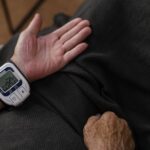
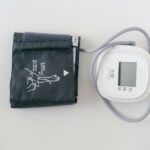
Home monitoring turns a vague condition into something visible. A validated upper-arm cuff, used correctly, gives real feedback. Measure at the same times each day, sit quietly for a few minutes first, keep feet flat, and rest the arm at heart level. Log the numbers so patterns are clear at the next appointment.
Lifestyle changes lower blood pressure modestly but meaningfully. They rarely replace medication, but they can reduce how much is needed. The changes with the strongest evidence are reducing sodium, following a pattern of eating rich in vegetables, fruit, and low-fat dairy, losing excess weight, exercising regularly, and limiting alcohol.
How Can You Support Diet Changes Without Nagging?
Food changes work best when they happen gradually and involve the whole household, not just the person with the diagnosis. Pressure and resentment build when one person is singled out at the dinner table.
Sodium is the clearest target. Most sodium in the American diet comes not from the salt shaker but from processed and restaurant food: canned soups, deli meat, frozen meals, bread, and sauces. Reading labels and choosing lower-sodium versions of foods someone already eats is more sustainable than a total overhaul.
The eating pattern with the most evidence behind it is often called DASH (Dietary Approaches to Stop Hypertension). It emphasizes vegetables, fruits, whole grains, lean protein, and low-fat dairy, while limiting red meat, sweets, and added fats. Research funded by the National Institutes of Health found this pattern lowered blood pressure in adults, with the effect strongest when sodium was also reduced.
Potassium matters too. Foods like bananas, potatoes, beans, spinach, and yogurt can help balance sodium. But potassium supplements and high-potassium diets can be dangerous for people with kidney disease or those taking certain blood pressure medications. Anyone in that situation should check with their clinician before increasing potassium.
- Cook at home more often so you control the salt.
- Swap salty snacks for fresh fruit or unsalted nuts.
- Add one extra vegetable to meals rather than removing favorite foods.
- Flavor with herbs, citrus, and garlic instead of relying on salt.

Does Exercise Really Lower Blood Pressure?
Regular physical activity lowers blood pressure in most people with hypertension, and the effect is well documented. Aerobic activity like brisk walking, cycling, or swimming is the most studied. Even modest amounts help.
General guidance for adults is at least 150 minutes of moderate activity per week, spread across most days, plus muscle-strengthening activity on two or more days. Someone who is currently inactive does not need to start there. Short walks that build up over weeks are a realistic beginning.
Strength training also lowers pressure and should not be avoided. The old advice to skip weights entirely has softened. The main caution is not to hold your breath during heavy lifts, which can spike pressure sharply. Breathing steadily through each repetition matters.
Anyone with existing heart disease, chest pain, or other conditions should get medical clearance before starting a new exercise program. For most people with uncomplicated high blood pressure, movement is one of the safest and most effective tools available.
What About Alcohol, Smoking, and Stress?
Alcohol raises blood pressure, and the effect grows with how much someone drinks. Cutting back, or stopping, can lower readings within weeks. This is one of the changes people notice fastest.
Smoking does not cause high blood pressure directly in the way alcohol does, but it damages blood vessels and multiplies the risk of heart attack and stroke in someone whose pressure is already high. Quitting is one of the single most important steps for cardiovascular health, even though it does not lower the numbers on the cuff by itself.
Stress is more complicated than it is often presented. Short bursts of stress raise blood pressure temporarily. Whether chronic stress causes lasting hypertension is less clear, and the evidence is mixed. What is clearer is that stress drives behaviors that raise pressure: poor sleep, more alcohol, comfort eating, and skipping medication. Helping someone manage stress is really about protecting those habits.
Sleep deserves a mention. Poor sleep and untreated sleep apnea are linked to higher blood pressure, and treating apnea can improve it. If someone snores heavily, wakes unrefreshed, or feels exhausted despite enough hours in bed, that is worth raising with a clinician.
How Do You Help Without Taking Over?
Support works better than control. People who feel managed rather than helped often push back, and the pressure to change can backfire.
Ask what would actually make things easier rather than announcing what should change. Maybe it is cooking together, driving to appointments, or being the person who remembers the refill. Small, specific offers land better than broad advice.
Expect setbacks. Blood pressure management is a long game measured in months and years, not days. A missed week of walks or a salty holiday meal is not failure. What matters is returning to the routine.
Watch for the moments that matter most: running low on medication, a reading that keeps climbing, new symptoms like chest pain, severe headache, or shortness of breath. Those are reasons to contact a clinician promptly, not to wait for the next scheduled visit.
When Should You Involve a Doctor?
Routine management belongs with a clinician, and there are specific situations that need attention sooner rather than later.
Contact a doctor if home readings are consistently higher than the target the clinician set, if medication side effects are making someone want to stop, or if readings swing widely. Never adjust or stop a blood pressure medication without medical guidance.
Seek emergency care for a very high reading accompanied by chest pain, difficulty breathing, severe headache, vision changes, weakness, or trouble speaking. These can signal a heart attack or stroke.
Blood pressure targets are individual. For many adults the goal is below 130/80 mm Hg, but older adults, people with kidney disease, and those with other conditions may have different targets. The right number is the one their clinician sets for them.
Frequently Asked Questions
Can high blood pressure be cured without medication?
Some people with mildly elevated pressure can reach their target through lifestyle changes alone, but this depends on how high the readings are and other health factors. Anyone already prescribed medication should not stop it without talking to their clinician first.
How often should someone check their blood pressure at home?
Many clinicians recommend checking once in the morning and once in the evening for a set period, then less often once readings are stable. The exact schedule should come from the treating clinician.
Does reducing salt really make a difference?
Yes. Reducing sodium lowers blood pressure in many people, and the effect tends to be larger in those who are salt-sensitive or already have hypertension. The biggest gains usually come from cutting processed and restaurant food rather than the salt shaker alone.
What is a dangerously high blood pressure reading?
A reading above 180/120 mm Hg is considered a hypertensive crisis and needs immediate medical attention, especially with symptoms like chest pain, shortness of breath, or vision changes. A single high reading without symptoms should be rechecked after resting and confirmed with a clinician.
