
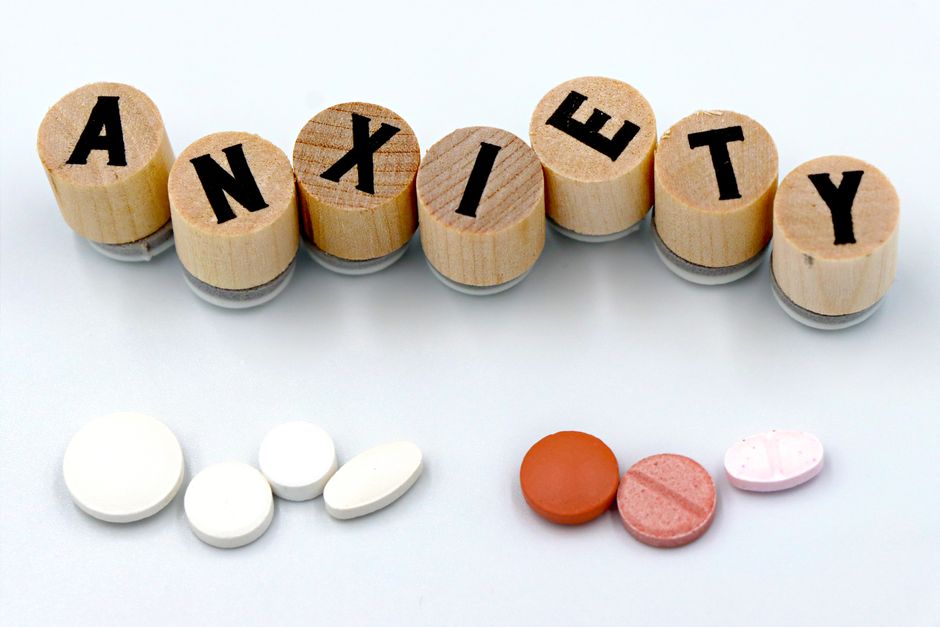
Anxiety is not a flaw in your character. It is a biological response system that has gone into overdrive. The good news is you can retrain that system. The most effective ways to help anxiety combine immediate physical calming techniques with longer-term habits that change how your brain processes threat. This article breaks down what the research actually says about calming your nervous system and keeping it calm.
What Happens in the Brain During Anxiety?
Anxiety starts in the amygdala. That is the part of your brain that scans for danger. When it detects a threat it sends a signal to your hypothalamus. Your hypothalamus tells your adrenal glands to release cortisol and adrenaline. Your heart beats faster. Your breathing gets shallow. Your muscles tense.
This is the fight-or-flight response. It saved our ancestors from predators. The problem is your amygdala cannot always tell the difference between a real threat like a car swerving toward you and a perceived threat like an email from your boss. For many people the amygdala gets stuck in a high-alert state.
Research shows that chronic anxiety actually changes the structure of the brain. The amygdala grows larger and more reactive. The prefrontal cortex which helps you reason through fear becomes less active. This does not mean you are broken. It means your brain has learned a pattern. And patterns can be unlearned.
Current research suggests that neuroplasticity allows the brain to rewire itself at any age. You are not stuck with an anxious brain forever. You can build new neural pathways that favor calm over panic.
How to Help Anxiety in the Moment
When anxiety hits your thinking brain goes offline. You cannot reason your way out of a panic attack. You have to work with the body first. The fastest way to calm a nervous system is through the breath.
Slow exhales trigger the vagus nerve. This nerve runs from your brainstem to your abdomen. When activated it tells your heart to slow down and your lungs to relax. The most effective breathing pattern is called box breathing. Inhale for four counts. Hold for four counts. Exhale for four counts. Hold for four counts. Repeat for two minutes.
Cold water also works. Splash cold water on your face or hold an ice cube in your hand. The cold triggers the mammalian dive reflex which slows your heart rate. This is not a theory. Studies have found that cold exposure can reduce heart rate by up to twenty percent within seconds.
Grounding techniques help too. The 5-4-3-2-1 method is simple. Name five things you can see. Four things you can touch. Three things you can hear. Two things you can smell. One thing you can taste. This forces your brain to shift from abstract fear to concrete sensory input.
These techniques stop the immediate spiral. They do not fix the underlying pattern. But they buy you enough time to use the strategies that do.
What Does Research Say About Exercise and Anxiety?
Exercise is one of the most studied interventions for anxiety. The evidence is strong. A 2019 analysis of over fifty studies found that regular exercise reduces anxiety symptoms by an average of twenty to thirty percent. That is comparable to some medications.
Exercise works because it burns off stress chemicals. Cortisol and adrenaline are meant to be used during physical activity. When you sit still after a stress response those chemicals stay in your system. Exercise flushes them out.
It also changes your brain chemistry. Aerobic exercise increases levels of GABA, a neurotransmitter that calms neural activity. Low GABA levels are linked to anxiety disorders. Running, swimming, and cycling all boost GABA. So does yoga.
You do not need to run a marathon. Twenty minutes of brisk walking five days a week produces measurable benefits. The key is consistency not intensity. Your brain needs to learn that physical exertion is safe and that the chemicals it produces will be cleared.
Resistance training also helps. Lifting weights requires focused attention on your body. This pulls your mind away from anxious thoughts. Studies have found that two sessions per week of strength training significantly reduce anxiety in adults over forty.


How to Help Anxiety With Lifestyle Changes
Sleep is the foundation. When you are sleep deprived your amygdala becomes sixty percent more reactive to negative stimuli. That is a massive increase. Even one night of poor sleep raises anxiety levels the next day. Prioritizing seven to nine hours of quality sleep is not optional for an anxious brain.
Caffeine is a direct trigger for many people. It blocks adenosine, a chemical that promotes calm. It also increases cortisol. For some people even one cup of coffee triggers a panic attack. If you struggle with anxiety try cutting caffeine entirely for two weeks. Many people report a significant reduction in symptoms.
Alcohol makes anxiety worse over time. It initially depresses the nervous system which feels relaxing. But as it wears off your brain rebounds with increased adrenaline. This is called the rebound effect. It often causes middle-of-the-night panic or morning anxiety. Reducing alcohol intake can break this cycle.
Blood sugar stability matters. When your blood sugar drops your body releases cortisol and adrenaline to bring it back up. This mimics an anxiety response. Eating regular meals with protein and fiber prevents these drops. Avoid large amounts of sugar on an empty stomach.
| Lifestyle Factor | Effect on Anxiety | Simple Change |
|---|---|---|
| Sleep (under 6 hours) | Increases amygdala reactivity by 60% | Set a consistent bedtime |
| Caffeine (over 200mg) | Raises cortisol and blocks calm chemicals | Switch to decaf or herbal tea |
| Alcohol (daily use) | Causes rebound adrenaline surges | Limit to 1-2 drinks per week |
| Skipped meals | Triggers stress hormone release | Eat protein every 4 hours |
What Therapy Actually Works for Anxiety?
Cognitive Behavioral Therapy is the gold standard. It has more research support than any other treatment for anxiety. CBT teaches you to identify the thoughts that trigger anxiety and challenge them. Over time your brain learns new patterns.
Exposure therapy is a specific type of CBT. It involves gradually facing the things you fear in a controlled way. If you fear public speaking you start by imagining it. Then you record yourself speaking. Then you speak to one person. Each step teaches your amygdala that the feared outcome does not happen.
Acceptance and Commitment Therapy is another effective approach. Instead of fighting anxious thoughts ACT teaches you to observe them without reacting. You learn to say I am having the thought that something bad will happen instead of believing that something bad will happen. This creates distance between you and the anxiety.
Some people report success with Eye Movement Desensitization and Reprocessing therapy. This is widely claimed though strong evidence is limited for general anxiety. It is more established for trauma-related anxiety like PTSD. If your anxiety stems from a specific traumatic event EMDR may help.
Therapy works best when combined with lifestyle changes. No single approach fixes everyone. But the research is clear that structured therapy is more effective than trying to manage anxiety alone.
How to Help Anxiety With Medication
Medication is a tool not a cure. It can reduce symptoms enough for therapy and lifestyle changes to work. The most common first-line medications are SSRIs like sertraline and escitalopram. These increase serotonin levels in the brain. They take four to six weeks to reach full effect.
Benzodiazepines like Xanax and Ativan work quickly but are not for long-term use. They increase GABA activity which produces immediate calm. But the body builds tolerance quickly. Dependence can develop in as little as two weeks. These medications are best used sparingly for acute panic.
Beta blockers like propranolol are sometimes used for performance anxiety. They block the physical effects of adrenaline like rapid heart rate and shaking. They do not treat the underlying anxiety but can help in specific situations like public speaking.
As of 2026 there is no clinical evidence that supplements like ashwagandha or CBD reliably treat anxiety disorders. Some people report benefits. But the research is mixed and study quality varies widely. Do not replace proven treatments with unregulated supplements.
Always talk to a psychiatrist or primary care doctor before starting or stopping medication. Anxiety medications have real side effects and withdrawal risks. A doctor can help you weigh the benefits against the risks for your specific situation.
What to Avoid When Trying to Help Anxiety
Avoidance makes anxiety worse. When you avoid something you fear your brain learns that the thing is dangerous. The anxiety grows stronger each time you avoid it. This is called the avoidance cycle. Breaking it requires facing fears gradually.
Reassurance seeking is a form of avoidance. Asking friends or family if everything will be okay might feel helpful. But it trains your brain to rely on external validation instead of building internal confidence. Stop asking for reassurance and sit with the uncertainty.
Do not rely on distraction. Scrolling your phone or watching TV can temporarily numb anxiety. But it does not teach your brain that the anxiety is manageable. You need to feel the feeling and let it pass without fighting it. Distraction prevents that learning.
Do not expect perfection. Anxiety reduction is not linear. You will have good days and bad days. If you have a panic attack after weeks of progress you have not failed. Your brain is just doing its job. The goal is not zero anxiety. The goal is to handle anxiety when it comes.
Frequently Asked Questions About help anxiety
Can anxiety go away without treatment?
Mild anxiety can improve with lifestyle changes alone. Moderate to severe anxiety usually requires therapy or medication for lasting relief.
How long does it take to treat anxiety?
Most people notice improvement within four to eight weeks of consistent therapy or medication. Full recovery often takes six to twelve months.
Does exercise help anxiety better than medication?
Exercise is as effective as medication for mild to moderate anxiety according to some studies. For severe anxiety a combination of both works best.
What is the fastest way to calm anxiety?
Slow exhales that are longer than your inhales activate the vagus nerve and slow your heart rate within one to two minutes.
