
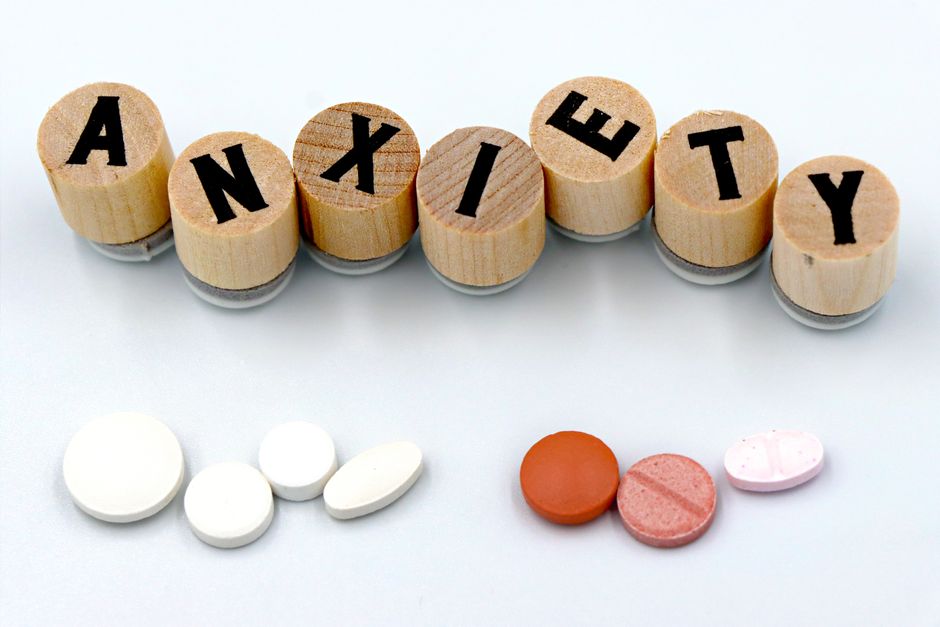
Anxiety is your body’s natural alarm system responding to perceived threats. To stop anxiety in the moment use controlled breathing exercises or engage your five senses to ground yourself. For long-term relief evidence supports cognitive behavioral therapy regular physical activity and in some cases medication prescribed by a healthcare provider. No single approach works for everyone so finding the right combination often requires trial and patience.
Understanding what triggers your anxiety is the first step toward managing it effectively. Anxiety disorders affect roughly 40 million adults in the US making them the most common mental health condition. The good news is that anxiety is highly treatable with the right tools.
What Causes Anxiety to Start?
Anxiety begins in the brain’s threat detection system called the amygdala. When your brain perceives danger this almond-shaped structure triggers a cascade of stress hormones including cortisol and adrenaline. This is the fight-or-flight response that kept our ancestors alive when facing actual physical threats.
The problem is modern brains often interpret non-life-threatening situations as emergencies. A work deadline. A social gathering. An unexpected bill. Your body cannot distinguish between a charging bear and an overdue email so it responds with the same physiological alarm bells.
Genetics play a significant role in anxiety disorders. Studies show that if one parent has an anxiety disorder their child has about a 25 percent chance of developing one. Environmental factors matter too. Chronic stress childhood trauma significant life changes and even diet can influence anxiety levels.
Some physical health conditions mimic or worsen anxiety symptoms. Thyroid disorders heart arrhythmias vitamin deficiencies and blood sugar imbalances can all trigger anxiety-like sensations. This is why ruling out medical causes is an important early step.
Does Deep Breathing Actually Stop Anxiety?
Controlled breathing directly interrupts the physical anxiety response. When you breathe slowly and deeply you activate your parasympathetic nervous system which counteracts the fight-or-flight state. Research shows this physiological shift happens within 90 seconds of starting intentional breathing.
The 4-7-8 technique demonstrates measurable effectiveness. Breathe in through your nose for four counts. Hold for seven counts. Exhale completely through your mouth for eight counts. Repeat this cycle four times. The extended exhale is what signals your nervous system that the threat has passed.
Box breathing is another evidence-backed method used by military personnel in high-stress situations. Inhale for four counts. Hold for four. Exhale for four. Hold empty for four. The equal timing creates a rhythm that your body recognizes as safe.
Breathing exercises work best as prevention rather than cure. Practicing when calm builds the neural pathways that make the technique effective during actual anxiety. Think of it as training a muscle. Five minutes of daily practice creates better results than only using the technique during panic.
What Does Research on Cognitive Behavioral Therapy Show?
Cognitive behavioral therapy represents the gold standard for anxiety treatment according to decades of clinical trials. CBT works by identifying thought patterns that fuel anxiety then systematically challenging and replacing them. Studies indicate that 60 to 80 percent of people with anxiety disorders see significant improvement with CBT.
The core principle is that thoughts create feelings. If you think “I’m going to fail this presentation” your body responds with anxiety. CBT teaches you to examine that thought rationally. What evidence supports it? What evidence contradicts it? Is there a more balanced perspective?
Exposure therapy is a specific CBT technique where you gradually face feared situations in controlled doses. Someone with social anxiety might start by making eye contact with a cashier then progress to small talk then to attending a party. Research from 2024 shows that virtual reality exposure therapy produces similar results to traditional methods.
CBT typically requires 12 to 20 sessions with a trained therapist. Some people see improvement in as few as six sessions. The skills learned during therapy continue working long after treatment ends. Follow-up studies show that CBT benefits remain stable for years.

How Does Exercise Reduce Anxiety Symptoms?
Physical activity metabolizes stress hormones that accumulate in your bloodstream during anxious episodes. A 30-minute walk reduces cortisol levels by roughly 15 percent. The effect lasts for several hours after you finish exercising.
Exercise also increases production of endorphins and endocannabinoids which are your brain’s natural anxiety buffers. Regular aerobic activity changes brain chemistry in ways similar to medication but without side effects. Studies show that people who exercise at least three times weekly report 40 percent fewer anxiety symptoms than sedentary individuals.
The type of exercise matters less than consistency. Running swimming cycling weight training and even vigorous housework all produce measurable anxiety reduction. Some research suggests that activities requiring concentration like rock climbing or tennis may offer additional benefits by forcing your mind to focus on the present moment.
Timing your workouts strategically can help manage predictable anxiety. If mornings are difficult for you exercise first thing. If work stress builds throughout the day a lunchtime walk might prevent afternoon anxiety spikes. Movement functions as both treatment and prevention.
When Should You Consider Medication for Anxiety?
Medication becomes appropriate when anxiety significantly disrupts your daily functioning despite trying therapy and lifestyle changes. If you cannot go to work maintain relationships or complete basic tasks anxiety medication might provide the relief needed to engage with other treatments.
SSRIs like sertraline and escitalopram are typically first-line medications for chronic anxiety. They work by increasing serotonin availability in your brain. These medications take four to six weeks to reach full effectiveness. Common side effects include nausea sleep changes and decreased libido which often improve after the first few weeks.
Benzodiazepines like alprazolam work quickly for acute anxiety but carry significant risks including dependence and withdrawal. Current guidelines recommend using them only for short-term situations or occasional panic attacks. Many psychiatrists now avoid prescribing benzodiazepines for longer than a few weeks.
Buspirone represents a middle option with lower addiction risk than benzodiazepines but faster action than SSRIs. Beta-blockers can help with physical symptoms like rapid heartbeat and trembling though they do not address the psychological component of anxiety. Working with a psychiatrist helps identify which medication matches your specific anxiety pattern.
| Medication Type | How Fast It Works | Best Used For | Main Concern |
|---|---|---|---|
| SSRIs | 4-6 weeks | Daily chronic anxiety | Initial side effects |
| Benzodiazepines | 30-60 minutes | Occasional acute panic | Dependence risk |
| Buspirone | 2-4 weeks | Generalized anxiety | Inconsistent effectiveness |
| Beta-blockers | 1-2 hours | Performance anxiety | Only treats physical symptoms |
What Lifestyle Changes Help Stop Anxiety Long-Term?
Sleep deprivation amplifies anxiety by lowering your stress tolerance threshold. Getting less than seven hours of sleep increases anxiety symptoms by up to 30 percent the following day. Establishing consistent sleep and wake times even on weekends helps regulate the circadian rhythms that influence mood.
Caffeine directly triggers the same physiological responses as anxiety. Heart rate increases. Breathing quickens. Hands shake. For people prone to anxiety limiting caffeine to before noon and capping intake at 200 mg daily often reduces baseline anxiety significantly.
Alcohol creates a deceptive cycle with anxiety. It temporarily dampens nervous system activity which feels like relief. But as alcohol metabolizes it causes a rebound effect that increases anxiety. Regular drinking also disrupts sleep quality which worsens anxiety over time.
Social connection functions as a biological anxiety buffer. Research shows that regular meaningful interactions with others reduces cortisol and increases oxytocin. Even brief exchanges like chatting with a neighbor or texting a friend produce measurable stress reduction.
Specific dietary patterns show promise for anxiety management:
- Omega-3 fatty acids from fish or supplements may reduce inflammation linked to anxiety
- Fermented foods support gut bacteria that influence brain chemistry through the gut-brain axis
- Magnesium-rich foods like spinach and pumpkin seeds help regulate stress response systems
- Limiting processed sugar prevents blood sugar spikes and crashes that mimic anxiety symptoms
Can Natural Remedies Stop Anxiety Without Side Effects?
Several natural supplements show genuine anxiety reduction in clinical studies though none match the effectiveness of therapy or prescription medication for severe anxiety. Expectations matter here. These work best for mild to moderate symptoms.
L-theanine is an amino acid found in green tea that increases GABA and dopamine in the brain. Studies using 200 mg daily show reduced anxiety during stressful tasks. The effect is subtle rather than dramatic. Side effects are extremely rare.
Ashwagandha has been studied extensively for anxiety with some research showing results comparable to certain prescription medications. A 2023 study found that 300 mg twice daily reduced anxiety scores by about 40 percent over eight weeks. Quality varies significantly between brands so third-party testing matters.
Lavender oil in capsule form demonstrates consistent anxiety reduction in multiple studies. The mechanism is not fully understood but appears to affect calcium channels similar to some prescription medications. Aromatherapy with lavender shows much weaker effects than oral supplementation.
Chamomile extract at 500 mg daily reduced generalized anxiety disorder symptoms in controlled trials. The benefits are modest but real. Drinking chamomile tea provides far lower concentrations so therapeutic effects from tea alone are unlikely.
As of 2026 CBD products remain poorly regulated with inconsistent dosing and quality. Some small studies suggest potential benefits but the evidence is much weaker than supplement manufacturers claim. If trying CBD look for products with third-party lab testing and realistic claims.
Frequently Asked Questions About How to Stop Anxiety
How long does it take to stop anxiety naturally?
Most people notice some improvement within two to four weeks of consistently using breathing exercises and lifestyle changes. Significant reduction in anxiety symptoms typically requires two to three months of combined approaches including therapy exercise and stress management.
Can anxiety go away completely without medication?
Many people successfully manage anxiety without medication using cognitive behavioral therapy lifestyle modifications and stress reduction techniques. However some anxiety disorders respond best to a combination of therapy and medication especially when symptoms are severe or long-standing.
What is the fastest way to stop an anxiety attack?
The 4-7-8 breathing technique stops most anxiety attacks within three to five minutes by activating your parasympathetic nervous system. Combining controlled breathing with grounding techniques like naming five things you can see hear and touch speeds the process.
Why does my anxiety get worse at night?
Anxiety often intensifies at night because fewer distractions allow worries to dominate your attention and cortisol naturally drops in the evening reducing your stress tolerance. Establishing a calming bedtime routine and keeping a notepad to write down worries helps break this pattern.
