
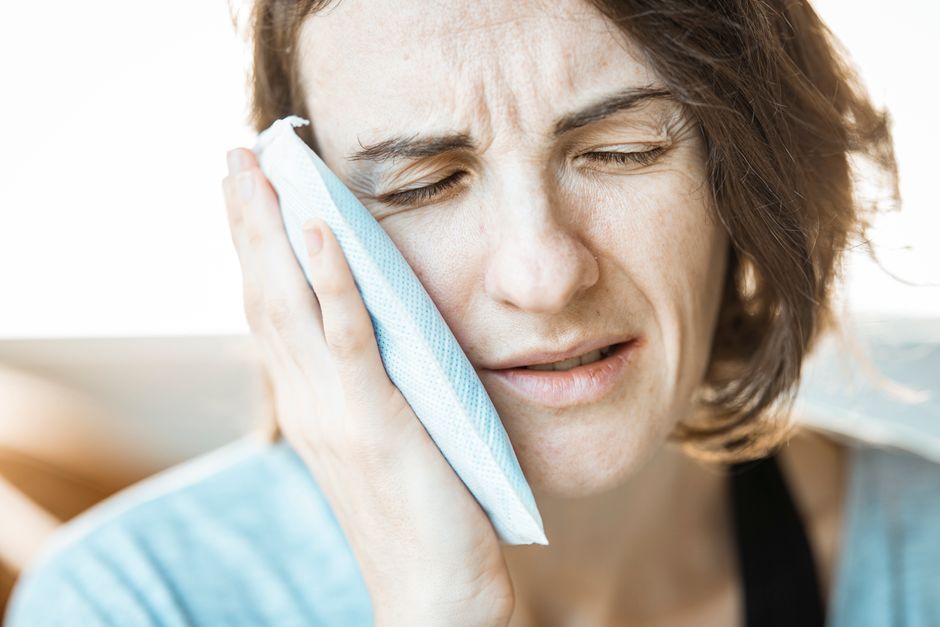
An earache can turn a normal evening into a miserable one, especially when it hits at night and you cannot get to a doctor right away. The fastest home relief for most earaches is a warm compress against the ear, an over-the-counter pain reliever like acetaminophen or ibuprofen, and keeping your head elevated. If you have discharge, a fever above 102°F, or the pain is severe, skip home care and get medical attention. What works best depends on what is causing the pain, so the first step is understanding which type of earache you are dealing with.
What Usually Causes an Earache?
An earache is a symptom, not a diagnosis. The pain can come from the ear itself or from somewhere nearby that shares the same nerve pathways.
The most common source in adults is a problem with the eustachian tube, the narrow channel connecting the middle ear to the back of the throat. When that tube swells or gets blocked from a cold, allergies, or sinus pressure, fluid cannot drain. That trapped fluid builds pressure against the eardrum, and pressure reads as pain.
Other common causes include:
- Middle ear infection (otitis media) — often follows a cold; more common in children but happens in adults
- Outer ear infection (otitis externa, sometimes called swimmer’s ear) — usually from water trapped in the ear canal or scratching the canal
- Jaw problems — temporomandibular joint (TMJ) disorders can refer pain straight into the ear
- Sinus infection or a bad cold — pressure spreads to the ear
- Earwax blockage — hardened wax presses on the canal
- Tooth problems — an infected or impacted molar can send pain to the ear
This matters because the right home treatment for a blocked eustachian tube is not the same as the right treatment for an infected ear canal. Putting drops in an ear with a possibly ruptured eardrum, for example, can cause harm.
How To Help An Earache Fast Pain Relief At Home
Start with pain control, because pain is what you are trying to fix right now. The cause can be sorted out afterward.
Over-the-counter pain relievers are the most reliable home option. Acetaminophen and ibuprofen both reduce ear pain. Ibuprofen also lowers inflammation, which may help when swelling is part of the problem. Follow the dosing on the package, and check with a pharmacist or doctor if you take other medications or have liver, kidney, or stomach conditions.
A warm compress is simple and often soothing. Run a washcloth under warm — not hot — water, wring it out, and hold it against the painful ear for 15 to 20 minutes. A heating pad on a low setting works too, with a cloth between the pad and your skin.
Keeping your head elevated while you rest can ease the pressure sensation. Sleep with an extra pillow if that is comfortable.
For a blocked eustachian tube, swallowing, yawning, and chewing can help open the tube briefly. Some people find relief from steam from a hot shower. The evidence for steam is not strong, but it is low risk.
What not to do: do not put cotton swabs, hairpins, or anything else into the ear canal. Do not pour olive oil, hydrogen peroxide, or homemade drops into an ear unless a clinician has told you the eardrum is intact. Do not use ear candles. Ear candling has no proven benefit and has caused burns and injuries.
Does Heat or Cold Work Better for Ear Pain?
Warmth tends to help most earaches. Heat increases blood flow to the area and relaxes tight muscles, which can dull the ache from a blocked tube or jaw tension.
Cold is the better choice in one situation: if the outer ear is swollen, red, and tender to touch — the pattern seen with outer ear infections or an injury — a cold pack wrapped in a cloth can reduce swelling and numb the area. Apply for no more than 15 to 20 minutes at a time.
Never put heat or cold directly on bare skin. Always use a cloth barrier. And never put anything, hot or cold, inside the ear canal.





When Should You See a Doctor for an Earache?
Most mild earaches from a cold improve within a few days. Some situations need a clinician promptly.
See a doctor if you have:
- Fluid, pus, or blood draining from the ear
- Fever above 102°F, or any fever with severe pain
- Sudden hearing loss
- Severe pain that does not improve with over-the-counter pain relievers
- Swelling, redness, or tenderness behind the ear
- Symptoms lasting more than two to three days without improvement
- Ear pain after swimming, or pain when you tug on the outer ear
- Earache in an infant or young child
- Ear pain in someone with a weakened immune system or diabetes
Two of these deserve emphasis. Swelling or redness behind the ear can signal a serious infection of the mastoid bone and needs urgent care. Sudden hearing loss in one ear is a medical emergency — treatment works best when started early, so do not wait to see if it improves on its own.
Adults with a mild earache and no red flags can often wait a day or two. Children are different. Ear infections are more common in kids, and complications are more likely, so a child with significant ear pain should be evaluated.
Should You Use Ear Drops at Home?
Not unless a clinician has examined your ear and confirmed the eardrum is intact.
This is one of the most common mistakes people make. Over-the-counter ear drops are generally intended for outer ear problems. If the eardrum has a hole or tear — which can happen with an infection — drops can get into the middle ear and cause irritation or worse.
Signs that the eardrum may be ruptured include sudden sharp pain followed by relief, drainage from the ear, or hearing loss. If any of those happen, do not put anything in the ear and see a doctor.
Prescription drops for outer ear infections are effective, but they require a diagnosis first. The same is true for antibiotic drops used with certain types of ear tubes.
Do Home Remedies for Earaches Actually Work?
Some do. Many do not, and a few are risky.
| Remedy | What the evidence shows |
|---|---|
| Warm compress | Soothing; widely used; low risk |
| Over-the-counter pain relievers | Effective for pain; well established |
| Head elevation | May ease pressure; low risk |
| Swallowing, yawning, chewing | Can briefly open the eustachian tube |
| Olive oil or garlic oil drops | No reliable evidence; unsafe if eardrum is torn |
| Ear candling | No proven benefit; has caused burns and injuries |
| Hydrogen peroxide in the ear | Not for routine use; can irritate skin |
| Antibiotics without a diagnosis | Not appropriate; many earaches are viral |
One clarification worth knowing: most middle ear infections in adults clear on their own without antibiotics. That is why many clinicians recommend pain relief and watching for a couple of days rather than prescribing right away. This is not true for every case, and it is not a reason to skip medical care when red flags are present.
How Can You Prevent Earaches?
You cannot prevent every earache, but a few habits lower the odds.
Keep ears dry after swimming. Tilt your head to let water drain, and dry the outer ear with a towel. Do not dig into the canal.
Treat allergies and colds early. Because eustachian tube blockage often starts with swelling from allergies or a cold, managing those can reduce ear pressure.
Do not smoke, and avoid secondhand smoke. Smoke irritates the eustachian tube and is a known risk factor for ear infections, particularly in children.
Blow your nose gently, one side at a time. Hard blowing can push fluid toward the ear.
For air travel or altitude changes, swallow, yawn, or chew gum during descent to help equalize pressure.
Frequently Asked Questions
How do you get rid of an earache fast at home?
Take an over-the-counter pain reliever like acetaminophen or ibuprofen and hold a warm compress against the ear for 15 to 20 minutes. Keep your head elevated while resting, and see a doctor if the pain is severe or lasts more than two to three days.
What is the best home remedy for ear pain?
A warm compress plus an over-the-counter pain reliever is the most reliable combination for most earaches. Heat relaxes the area and improves blood flow, while pain relievers address the pain directly.
When should I worry about an earache?
Worry if you have fluid or pus draining from the ear, a fever above 102°F, sudden hearing loss, or swelling behind the ear. These signs need prompt medical care rather than home treatment.
Can I put olive oil or ear drops in my ear for pain?
Only if a clinician has confirmed your eardrum is intact. If the eardrum is torn, drops can reach the middle ear and cause irritation, so do not use them without a diagnosis.
