
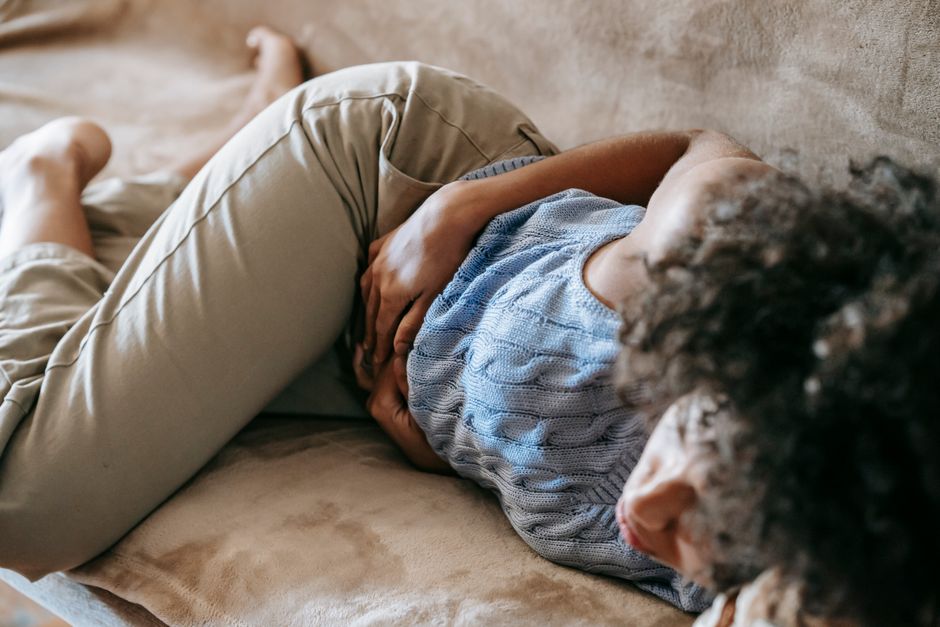
A burning pain in the knee when kneeling is usually a sign of pressure and friction on the structures directly beneath the kneecap. The most common culprit is inflammation of the bursa, a fluid-filled sac that cushions the bone, or irritation of the tendons that connect the kneecap to the shinbone. This type of pain is often mechanical, meaning it is triggered by the specific position of kneeling rather than by a systemic disease. Understanding which tissue is irritated is the first step toward knowing how to manage the discomfort and prevent it from getting worse.
What Is the Most Common Cause of Burning Knee Pain When Kneeling?
The most common cause is prepatellar bursitis. The prepatellar bursa is a small, flat sac of fluid located between the front of your kneecap and the skin. Its job is to reduce friction so your skin and kneecap can move smoothly over each other.
When you kneel, you place direct, sustained pressure on this bursa. If the pressure is repeated or prolonged, the sac becomes irritated and inflamed. This condition is so common in people who kneel for work—like roofers, tilers, and carpet layers—that it is often called “housemaid’s knee.”
The inflammation causes the bursa to fill with extra fluid. That fluid increases pressure inside the joint area, which produces a burning or aching sensation. In some cases, the front of the knee may also look swollen or feel warm to the touch.
This is a mechanical problem, not a sign of arthritis or joint degeneration. It is treatable and often preventable with simple changes in how you move and what you use to protect your knees.
Can Tendonitis Cause a Burning Sensation in the Knee?
Yes. The patellar tendon connects the bottom of your kneecap to the top of your shinbone. It works with your thigh muscles to straighten your leg. When this tendon becomes irritated, the condition is called patellar tendonitis.
Kneeling puts the patellar tendon under tension and compression at the same time. The tendon is stretched across the kneecap while also being pressed against the bone underneath. If the tendon is already strained from running, jumping, or climbing stairs, kneeling can push it past its limit.
The burning pain from tendonitis is usually felt just below the kneecap rather than directly on top of it. The area may feel tender when you press on it. Unlike bursitis, tendonitis often causes pain during movement as well as during kneeling.
Some research suggests that tendonitis involves more than just inflammation. The tendon tissue itself begins to break down and lose its normal structure. That is why this condition can take longer to resolve than simple bursitis.
Why Does the Skin on My Knee Burn When I Kneel?
Sometimes the burning sensation is coming from the skin and the nerves in it, not from the deeper joint structures. When you kneel, your body weight presses the skin of your knee against a hard surface. The skin compresses, and the small nerves inside it send pain signals to your brain.
This is especially common on hard floors like tile, concrete, or hardwood. The thinner the padding between your knee and the floor, the more pressure the skin and nerves receive.
There is also a condition called Meralgia Paresthetica, but it affects the outer thigh, not the knee. For the knee specifically, the nerve that supplies the skin over the kneecap is the infrapatellar branch of the saphenous nerve. If this nerve gets compressed during kneeling, you may feel a burning or tingling sensation across the front of the knee.
If the burning is purely in the skin and fades quickly when you stand up, it is likely nerve compression from pressure. If the pain lingers or is accompanied by swelling, the deeper structures are more likely involved.

What Other Conditions Can Cause Burning Knee Pain?
Bursitis and tendonitis cover most cases, but they are not the only possibilities. A few other conditions can produce a burning sensation in the knee, and it is worth knowing the difference.
Chondromalacia patellae is a condition where the cartilage on the underside of the kneecap softens and breaks down. It causes a dull ache behind the kneecap that worsens with kneeling, squatting, or going downstairs. The pain is often described as burning or grinding rather than sharp.
Osteoarthritis can cause burning pain in the knee, but it is usually not limited to kneeling. People with arthritis feel pain when walking, standing, or bearing weight. Kneeling may worsen it, but it is rarely the only trigger.
A meniscus tear can cause a burning or sharp sensation on the inside or outside of the knee joint. This is usually accompanied by swelling, locking, or a feeling that the knee is giving way. Kneeling can aggravate it because the position compresses the torn cartilage.
If you have diabetes, nerve damage called peripheral neuropathy can cause burning pain in the feet and legs. This pain is usually constant, not triggered specifically by kneeling. If you experience burning pain at rest, unrelated to position, neuropathy should be considered.
How Is Burning Knee Pain From Kneeling Treated?
Treatment depends on the specific cause, but the first steps are the same for most cases: reduce pressure, reduce inflammation, and let the tissue recover.
Rest and position changes are the fastest way to relieve symptoms. Avoid kneeling on hard surfaces. If you must kneel, use a padded kneeler or a thick folded towel. Change positions frequently so no single spot bears your full weight for more than a few minutes.
Ice can help reduce inflammation. Apply an ice pack wrapped in a thin cloth to the front of the knee for 15 to 20 minutes after activity. Do not apply ice directly to the skin, as it can cause frostbite.
Over-the-counter anti-inflammatory medications like ibuprofen or naproxen can reduce pain and swelling. These are intended for short-term use. If you have kidney disease, stomach issues, or take blood thinners, talk to your doctor before using them.
Physical therapy is often helpful for tendonitis and chondromalacia. Strengthening the quadriceps muscles—the large muscles on the front of the thigh—reduces the load on the kneecap and its tendons. A physical therapist can teach you exercises that target these muscles without aggravating the knee.
If the bursa is severely swollen, a doctor may drain it with a needle. This is called aspiration. It provides rapid relief but does not treat the underlying cause. If the swelling returns, the bursa may need to be removed surgically, though this is rarely necessary.
When Should You See a Doctor for Knee Pain?
Most cases of kneeling-related knee pain resolve on their own within a few days to a couple of weeks. If the pain persists beyond that, or if it worsens, medical evaluation is appropriate.
Seek medical attention if you experience any of the following:
- Swelling that does not go down after a few days of rest and ice
- Redness or warmth over the knee, which can indicate infection
- Fever, especially if combined with knee pain and swelling
- Inability to bear weight on the affected leg
- A feeling that the knee is unstable or going to give way
- Pain that wakes you up at night or occurs at rest
Redness and warmth combined with swelling are particularly important. They can signal a septic bursitis, which is an infection of the bursa. This requires prompt medical treatment with antibiotics. Do not wait to see if it improves on its own.
Can You Prevent Burning Knee Pain When Kneeling?
Yes, in most cases. Prevention is largely about reducing the pressure and friction that cause the problem in the first place.
Use knee protection. Padded kneelers, foam pads, or even thick gardening mats distribute your weight over a larger area. This reduces the pressure on any single point of the knee.
Change positions. Do not stay in a kneeling position for long stretches. Stand up, walk around, and give your knees a break every few minutes.
Strengthen your leg muscles. Strong quadriceps and hamstrings support the knee joint and reduce the load on the kneecap and tendons. Simple exercises like straight leg raises, wall sits, and step-ups can help.
Maintain a healthy weight. Excess body weight increases the load on your knee joints. Every pound of body weight translates to several pounds of pressure across the knee during weight-bearing activities.
Wear appropriate footwear. Shoes with good cushioning absorb shock that would otherwise travel up your legs to your knees.
These measures do not guarantee you will never experience knee pain, but they significantly reduce your risk. They are especially important if you kneel regularly for work, gardening, or household tasks.
Frequently Asked Questions
Why does my knee burn when I kneel but not when I walk?
Kneeling places direct, sustained pressure on the bursa and tendons at the front of the knee, which walking does not. The burning sensation is your body’s response to that specific mechanical compression.
How long does prepatellar bursitis take to heal?
With rest, ice, and avoiding kneeling, mild cases often improve within one to two weeks. More severe cases can take several weeks and may require physical therapy or medical treatment.
Is it safe to kneel with a burning knee if I use a cushion?
A cushion helps by distributing pressure, but it does not eliminate the problem. If kneeling causes burning pain, it is best to avoid the position entirely until the pain resolves.
Can a burning knee when kneeling be a sign of a blood clot?
Blood clots in the leg usually cause swelling, warmth, and pain in the calf, not specifically when kneeling. If you have unexplained swelling or pain in your lower leg, seek medical attention promptly.
