
The sacroiliac (SI) joint connects your pelvis to the lower spine. When it gets injured or inflamed, the pain can be sharp, dull, or a deep ache in the lower back and buttocks. The cause of SI joint pain starts with a specific injury or a gradual breakdown of the joint, which then triggers an inflammatory response in the body. This inflammation is the direct source of the pain and stiffness you feel.
What Is the Sacroiliac Joint and What Does It Do?
The SI joint is a real joint, not a muscle. You have two of them, one on each side of your lower spine. They connect the sacrum, which is the triangular bone at the base of your spine, to the ilium, which is part of your pelvis.
These joints are strong and move very little. Their main job is to transfer weight and force between your upper body and your legs. They also act as shock absorbers when you walk or run. Because they move so little, they rely on a network of strong ligaments to stay stable.
When this joint gets injured or inflamed, the pain is often felt in the lower back and buttocks. It can also radiate down the back of the thigh, which is why it is sometimes confused with sciatica.
What Causes SI Joint Pain From Injury To Inflammation?
The chain of events from injury to inflammation is straightforward. An injury to the joint, whether from a sudden impact or repetitive stress, damages the tissues inside and around the joint. This damage triggers the body’s inflammatory response. White blood cells and other chemicals rush to the area, causing swelling, redness, and pain.
This inflammation can be acute, meaning it happens right after an injury. It can also become chronic, meaning the inflammation persists over time and the joint continues to hurt. The pain is not just a symptom; it is a direct result of the inflammatory chemicals irritating the nerves in and around the joint.
Several specific injuries and conditions can start this process. A sudden fall onto the buttocks, a motor vehicle accident, or a sports injury can directly damage the joint or its ligaments. Over time, repeated stress from running, lifting, or even prolonged standing can cause wear and tear that leads to inflammation.
What Are the Specific Causes of SI Joint Injury?
Direct trauma is the most obvious cause. A fall on an icy sidewalk or a hard tackle in football can force the joint out of its normal position or strain the ligaments that hold it together. This type of injury often results in immediate pain and inflammation.
Repetitive motion is another major cause. Activities that involve repeated twisting or heavy lifting put stress on the SI joint. This is common in certain sports like golf or tennis, and in jobs that require manual labor. Over time, this repeated stress can cause micro-tears in the ligaments, leading to chronic inflammation.
Changes in how you walk can also injure the joint. A leg length difference, even a small one, can alter your gait and put uneven stress on one SI joint. The same can happen after a hip or knee surgery, as your body adjusts to a new way of moving. This altered mechanics can cause the joint to become irritated and inflamed.
Pregnancy is a specific and common cause of SI joint pain. The body releases hormones that relax ligaments in preparation for childbirth. This makes the SI joints less stable and more prone to inflammation and pain. This is a normal physiological change, but it can be very painful for some women.





What Does SI Joint Inflammation Feel Like?
The pain from SI joint inflammation is usually felt on one side of the lower back or buttock. It is rarely felt on both sides at the same time. The pain can be a dull ache or a sharp, stabbing sensation when you move.
Many people describe a feeling of instability, as if the pelvis is going to give way or buckle. This is often called a “giving way” sensation. It can make standing on one leg or climbing stairs difficult and painful.
The pain often gets worse with certain movements. Sitting for long periods, standing up from a chair, or rolling over in bed can all trigger sharp pain. The pain usually improves with movement and activity, but can flare up again after the activity is over.
How Is SI Joint Pain Different From Sciatica?
SI joint pain and sciatica are often confused because they can both cause pain in the buttock and leg. However, they are different conditions. Sciatica is caused by irritation of the sciatic nerve, usually from a herniated disc in the lumbar spine. SI joint pain is caused by inflammation of the joint itself.
The location of the pain can help tell them apart. SI joint pain is typically centered directly over the joint, which is just to the side of the lower spine, below the waistline. Sciatica pain often follows a more specific path down the back of the leg, sometimes into the foot.
Numbness and tingling are more common with sciatica. SI joint pain rarely causes numbness or tingling. If you experience these symptoms, it is more likely that the problem is with a nerve in your spine, not your SI joint.
What Are the Treatment Options for SI Joint Inflammation?
Treatment for SI joint pain usually starts with conservative, non-invasive methods. Resting the joint and avoiding activities that cause pain is the first step. Applying ice to the area in the first 48 hours after an injury can help reduce acute inflammation.
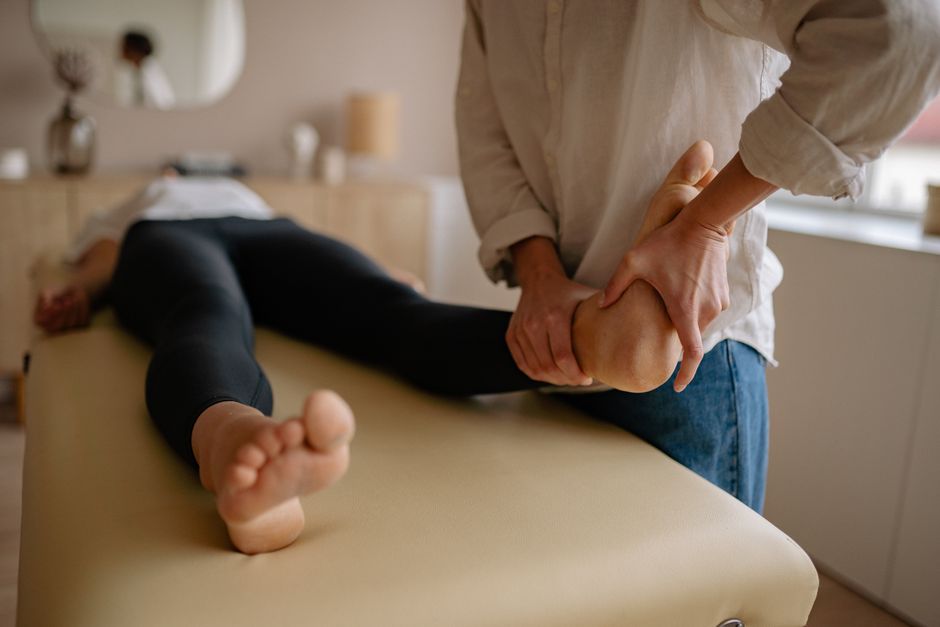
Physical therapy is a cornerstone of treatment. A physical therapist can teach you specific exercises to strengthen the muscles around your pelvis and lower back. Stronger muscles help stabilize the SI joint and reduce the stress placed on it. Manual therapy, where a therapist moves the joint with their hands, can also help restore normal movement.
Anti-inflammatory medications, such as ibuprofen, can help reduce pain and swelling. These are available over the counter, but you should talk to a doctor about the right dose for you. In more persistent cases, a doctor may recommend a corticosteroid injection directly into the joint. This is a targeted treatment that delivers a powerful anti-inflammatory medication to the exact source of the pain.
The evidence for these treatments is good, but not perfect. Physical therapy and anti-inflammatory medication are widely accepted as first-line treatments. Injections are common clinical practice, and many people report significant relief, though the relief is often temporary. No single treatment works for everyone.
When Should You See a Doctor for SI Joint Pain?
You should see a doctor if the pain is severe, if it does not improve after a few weeks of home care, or if it interferes with your daily activities. You should also see a doctor immediately if the pain follows a recent fall or accident, or if it is accompanied by numbness, weakness, or loss of bladder or bowel control. These symptoms can indicate a more serious condition.
A doctor can perform a physical exam to help determine if your SI joint is the source of the pain. They may also order imaging tests, like an X-ray or MRI, to rule out other causes. Getting an accurate diagnosis is important because the treatment for SI joint pain is different from the treatment for a herniated disc or hip arthritis.
Frequently Asked Questions
Can SI joint pain go away on its own?
Yes, acute SI joint pain from a minor injury can resolve with rest and time. However, chronic inflammation often requires treatment like physical therapy to fully resolve.
Is walking good or bad for SI joint pain?
Walking can be helpful for some people because it keeps the joint moving and strengthens supporting muscles. However, if walking causes sharp pain, you should rest and talk to a doctor.
How long does SI joint inflammation last?
An acute flare-up can last for a few days to a few weeks. Chronic SI joint pain can last for months or longer if the underlying cause is not addressed.
What is the fastest way to relieve SI joint pain?
Applying ice to the area and resting from painful activities is the fastest way to reduce acute inflammation. Over-the-counter anti-inflammatory medication can also provide quick relief.
