
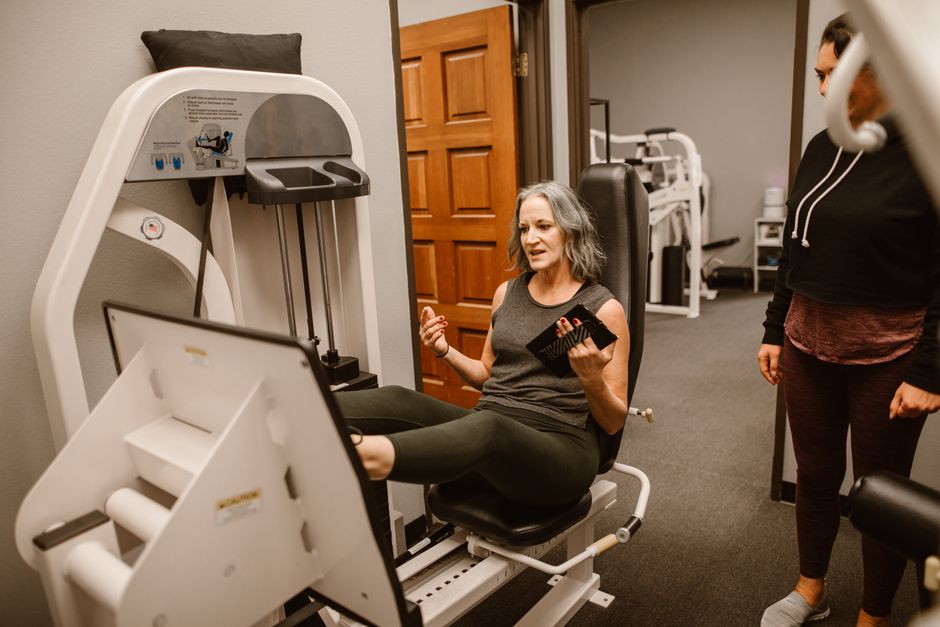
Muscle cramps are sudden, tight, and often painful contractions that can stop you mid-motion. For most people, the immediate answer to what to take involves a combination of immediate relief strategies and correcting the underlying cause, which is often dehydration or an electrolyte imbalance. For quick relief, gently stretching the muscle and applying heat are the most effective first steps, while magnesium, potassium, and adequate fluids are the key nutritional supports that help prevent them from happening in the first place.
What Causes Muscle Cramps in the First Place?
To know what to take, it helps to understand why the cramp happened. A cramp is an involuntary contraction of a muscle that does not relax. The exact cause is not always clear, but several factors are well-documented.
The most common triggers include dehydration, especially after exercise or in hot weather. When you sweat, you lose water and electrolytes like sodium, potassium, and magnesium. These minerals are essential for nerve signaling and muscle contraction. If they run low, the muscle’s electrical activity can become erratic, leading to a spasm.
Other common causes are muscle fatigue from overuse, poor blood circulation, and holding a position for too long. Certain medications, such as diuretics and statins, can also increase the likelihood of cramping. In some cases, an underlying medical condition like nerve compression or a thyroid issue is the culprit.
What Is the Fastest Way to Stop a Cramp Right Now?
When a cramp hits, you want immediate relief, not a supplement. The fastest and most reliable method is gentle stretching. For a calf cramp, straighten your leg and flex your foot, pulling your toes toward your shin. For a hamstring cramp, sit with your leg extended and lean forward.
Massaging the tight muscle can also help. Apply firm pressure with your fingers or palm, working along the length of the muscle. Heat is another effective tool. A warm towel, heating pad, or warm bath helps relax the contracted muscle and increase blood flow. Once the cramp subsides, some people find that applying a cold pack reduces any residual soreness.
What To Take For Muscle Cramps: The Key Minerals
When people ask what to take for muscle cramps, they are often looking for a supplement. The three minerals most frequently discussed are magnesium, potassium, and calcium. Each plays a distinct role in muscle function.
Magnesium is the most commonly recommended mineral for cramps. It helps regulate muscle contraction and relaxation by acting as a natural calcium blocker. Research has shown that magnesium supplementation can reduce the frequency and intensity of cramps, particularly in people who are deficient. However, the evidence is strongest for specific populations, such as pregnant women and older adults. For the general population, results are mixed.
Potassium is critical for nerve impulses and muscle contractions. A deficiency can cause weakness and cramping. Bananas are the classic source, but potatoes, sweet potatoes, and spinach are also rich in potassium. If you are eating a balanced diet, a deficiency is less likely unless you are losing fluids rapidly through sweat or illness.
Calcium is also involved in muscle contraction. While a deficiency can cause cramps, calcium supplementation is rarely the first-line recommendation unless dietary intake is clearly low. Too much calcium can cause other health issues, so it should not be taken blindly for cramps.
No clinical guidelines currently exist for a universal “anti-cramp” supplement dose. The recommended daily intake for magnesium is around 310-420 mg for adults, depending on age and sex, which is achievable through diet. If you choose a supplement, follow the label directions and start with a low dose to assess tolerance.





Are Electrolyte Drinks Actually Helpful?
Sports drinks and electrolyte powders are heavily marketed for cramp prevention. The evidence supporting them is strongest for prolonged, intense exercise lasting over an hour, or for activities in extreme heat. In these situations, replacing lost sodium and fluids is essential.
For a typical person who gets a cramp during the night or after a normal workout, a sports drink is not necessarily better than water and a balanced meal. Many sports drinks are high in sugar, which you may not need. If you want the benefit without the sugar, a pinch of salt in water with a squeeze of lemon can provide sodium without the extra calories.
It is important to understand that electrolyte drinks do not stop a cramp that is already happening. They are a preventive measure, not a treatment. The immediate response to an active cramp remains stretching and massage.
What About Quinine and Other Old Remedies?
You may have heard of tonic water for leg cramps because it contains quinine. Quinine was once a standard treatment for nocturnal leg cramps, but it is no longer recommended. The U.S. Food and Drug Administration has warned against using quinine for cramps due to serious side effects, including cardiac arrhythmias and blood disorders. The risk outweighs any benefit, and the amount of quinine in tonic water is too low to be effective anyway.
Other old remedies like pickle juice have gained popularity. Some athletes swear by it. The theory is that the vinegar and salt trigger a reflex in the mouth and throat that interrupts the nerve signal causing the cramp. The evidence is limited, but a few small studies suggest pickle juice may shorten cramp duration. It is not harmful to try, but it is not a proven clinical treatment.
When Is a Muscle Cramp a Sign of Something Serious?
Most muscle cramps are harmless and resolve on their own. However, there are situations where a cramp warrants medical attention. If cramps are severe, frequent, or last longer than a few minutes, it is worth discussing with a doctor.
Seek medical care if you experience cramping along with swelling, redness, or warmth in the leg, as this could be a sign of a blood clot. Also, if cramps are accompanied by numbness, weakness, or muscle wasting, it may point to a nerve issue. Cramps that occur after starting a new medication should also be evaluated, as drug-induced cramping is a known side effect of some prescriptions.
Nocturnal leg cramps, which occur at night, are common and often linked to the same factors of dehydration and mineral imbalance. Stretching your calves before bed and ensuring adequate hydration during the day are simple preventive measures that many people find effective.
How To Prevent Muscle Cramps Long-Term
Prevention is better than treatment. The most effective strategies are lifestyle-based. Staying hydrated throughout the day is the first step. The color of your urine is a simple indicator — pale yellow suggests adequate hydration, while dark yellow suggests you need more fluids.
Regular stretching, particularly before and after exercise, reduces muscle tightness. Warming up properly before physical activity is also important. If you sweat heavily, replacing lost sodium is necessary. This does not require a sports drink; eating salty foods or adding salt to meals can suffice.
If you are prone to cramps, review your diet. Are you getting enough magnesium from foods like nuts, seeds, leafy greens, and whole grains? Are you eating potassium-rich fruits and vegetables? A balanced diet usually covers these needs. If you suspect a deficiency, a blood test can confirm it before you start supplementing.
What Works and What Does Not: A Quick Guide
Here is a summary of common remedies and the evidence behind them. This is not medical advice, but a snapshot of what research and clinical practice support.
- Stretching and massage: Highly effective for immediate relief. No side effects.
- Heat application: Effective for relaxing the muscle during a cramp.
- Magnesium supplements: Evidence is strongest for pregnant women and older adults. Mixed results for general use.
- Potassium-rich foods: Helpful if dietary intake is low. Supplements should only be used if a deficiency is confirmed.
- Electrolyte drinks: Useful for prolonged exercise or heavy sweating. Not necessary for routine cramps.
- Quinine: Not recommended. Serious side effects outweigh any benefit.
- Pickle juice: Limited evidence. May help some people, but not a proven treatment.
If you have tried these strategies and cramps persist, keep a diary. Note when cramps occur, what you were doing, and what you ate or drank beforehand. This information can help a doctor identify a pattern or an underlying cause that simple remedies are not addressing.
Frequently Asked Questions
What is the best supplement for muscle cramps?
Magnesium is the most commonly recommended supplement, with the strongest evidence for pregnant women and older adults. For others, the evidence is mixed, so correcting dietary intake first is often the better approach.
Does drinking more water stop muscle cramps?
Staying hydrated helps prevent cramps caused by dehydration, but it will not stop a cramp that is already happening. For an active cramp, stretching and massage are the fastest remedies.
Can low potassium cause muscle cramps?
Yes, potassium deficiency can cause muscle weakness and cramping. Eating potassium-rich foods like bananas, potatoes, and spinach is the safest way to maintain adequate levels.
