
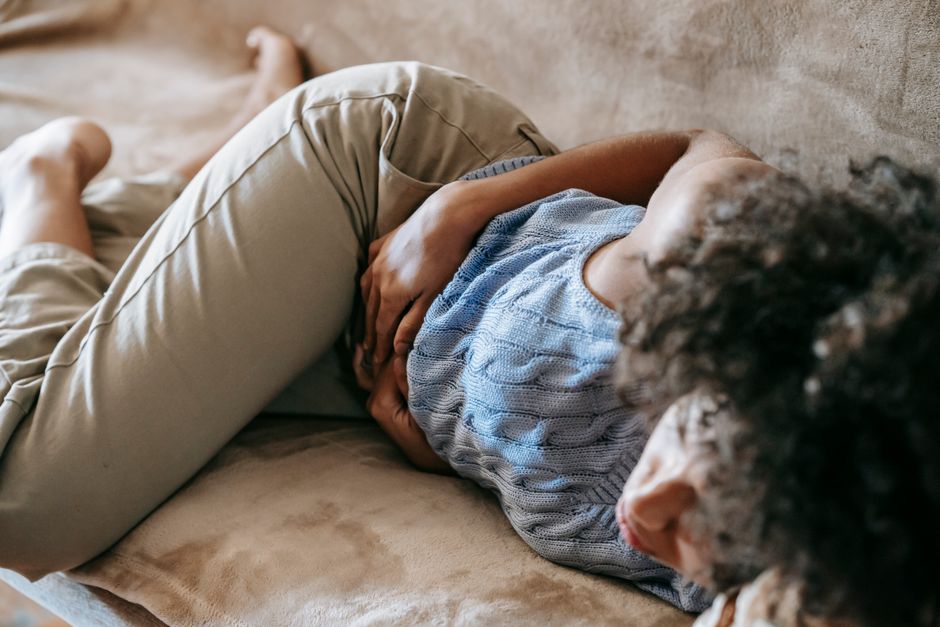
Period cramps are common, but that does not mean you have to suffer through them in silence. The treatments that actually work target the hormone-like chemicals called prostaglandins, which cause the uterus to contract. Heat therapy, over-the-counter anti-inflammatory pain relievers, and specific lifestyle adjustments are the most reliable ways to reduce pain. This guide explains what works, what does not, and what to do when the pain is severe enough to disrupt your life.
What Causes Period Cramps?
Menstrual cramps, medically known as dysmenorrhea, happen when the uterus contracts to shed its lining. These contractions are driven by prostaglandins, chemicals that act like hormones. Higher levels of prostaglandins are linked to more intense cramps.
Primary dysmenorrhea is the term for cramps with no underlying medical condition. It usually starts one to two days before your period and lasts for two to three days. Secondary dysmenorrhea is pain caused by a separate issue, such as endometriosis, uterine fibroids, or pelvic inflammatory disease. If your cramps have always been mild and suddenly become severe, or if they last beyond the first few days of your period, that is a reason to talk to a doctor.
How To Deal With Period Cramps What Actually Works?
The most effective approach combines fast-acting pain relief with methods that reduce prostaglandin production. Nonsteroidal anti-inflammatory drugs (NSAIDs) like ibuprofen and naproxen are the first-line treatment because they block prostaglandin production directly. They work best when taken at the first sign of pain or before the pain peaks.
Heat is the second most reliable tool. A heating pad, hot water bottle, or warm bath relaxes the uterine muscle and increases blood flow to the area. Research has shown that continuous low-level heat therapy is as effective as ibuprofen for some people, with faster pain relief. Use heat for 15 to 20 minutes at a time, and keep the temperature warm but not hot enough to burn the skin.
For people who cannot take NSAIDs due to stomach issues, allergies, or other medical reasons, acetaminophen is an alternative, though it is generally less effective because it does not reduce prostaglandins. It only blocks pain signals.
Does Exercise Actually Help With Cramps?
Yes, but not in the way most people think. Exercise does not stop cramps once they have started. It works as a preventive measure over time. Regular physical activity, especially aerobic exercise like brisk walking, swimming, or cycling, is associated with fewer and less severe cramps.
The mechanism is not fully proven, but the leading explanation is that exercise improves blood flow and triggers the release of endorphins, which are natural pain relievers. Some research suggests that regular exercise lowers prostaglandin levels over time. If you are in the middle of severe cramps, gentle movement like walking or stretching may help, but intense exercise is not necessary and may make pain worse for some people.
Specific yoga poses are often recommended, though the evidence is limited. Poses that open the pelvic area, like child’s pose, cat-cow, and reclining bound angle pose, are commonly suggested. Some studies show yoga reduces cramp severity, but the research is not strong enough to call it a proven treatment. It is a low-risk option worth trying.





What About Diet and Supplements?
Diet changes do not fix cramps overnight. They work gradually, over several cycles. The evidence is strongest for reducing inflammation through food choices. Diets high in fruits, vegetables, and whole grains and low in processed foods, sugar, and trans fats are associated with less menstrual pain.
Specific nutrients have some research support:
- Magnesium — Some studies show magnesium supplements reduce cramp severity, likely because magnesium relaxes smooth muscle. The evidence is modest but consistent enough that many clinicians recommend it.
- Omega-3 fatty acids — Found in fish oil, these reduce inflammation. Some trials show they lower pain scores and reduce NSAID use.
- Vitamin B1 (thiamine) — A few studies suggest high doses reduce cramp pain, but the research is limited and the dose used in trials is much higher than typical dietary intake.
- Ginger — Some research shows ginger powder reduces cramp pain comparable to NSAIDs, though the mechanism is not fully understood.
No clinical guidelines currently exist for supplement dosing specifically for menstrual cramps. If you choose to try supplements, follow the dosing on the product label and check with a pharmacist about interactions with any medications you take.
Do Birth Control Pills Stop Cramps?
Hormonal birth control is one of the most effective long-term treatments for period cramps. Combined oral contraceptives, the pill, work by thinning the uterine lining and reducing prostaglandin production. Many people notice significant pain reduction within three to six months of starting the pill.
Other hormonal options work similarly. The hormonal IUD, the implant, the shot, and the vaginal ring all reduce menstrual bleeding and cramping for many users. The hormonal IUD is particularly effective because it delivers a low dose of progestin directly to the uterus. Many people with severe cramps report that their periods become lighter and less painful within six months.
These are prescription options. They require a discussion with a healthcare provider to determine which method is appropriate for your health history. They are not a quick fix, but for ongoing cramp management, they are among the most reliable options available.
Which Pain Relievers Work Best and When Should You Take Them?
NSAIDs are the most effective over-the-counter option. Ibuprofen (Advil, Motrin) and naproxen (Aleve) both reduce prostaglandins. Naproxen lasts longer in the body, so it requires fewer doses throughout the day. Ibuprofen works faster but wears off sooner.
Timing matters. Take the first dose at the very first sign of cramping or when your period is expected to start. Do not wait until the pain is severe. For the first day or two, take the medication on a schedule rather than waiting for pain to return. Follow the dosing instructions on the package. Do not exceed the maximum daily dose.
If over-the-counter NSAIDs do not provide adequate relief, a doctor may prescribe a stronger NSAID or a different class of medication. This is a sign that your cramps are not typical and deserve medical evaluation, not just stronger medication.
When Should You See a Doctor About Period Cramps?
Severe cramps are not normal just because they are common. You should see a doctor if your pain does not improve with over-the-counter medication, if it interferes with school, work, or daily activities, or if it gets progressively worse over time.
You should also seek medical attention if you experience any of the following:
- Pain that lasts longer than the first two to three days of your period
- Heavy bleeding that requires changing a pad or tampon every hour
- Pain with bowel movements or during sex
- Nausea, vomiting, or fainting with your period
- First-time severe cramps after age 25
These symptoms can indicate endometriosis, uterine fibroids, or other conditions that require proper diagnosis. Endometriosis affects roughly one in ten people assigned female at birth, yet it often takes years to diagnose. Severe cramps are a valid reason to seek medical care, not something to tolerate.
What Does Not Work for Period Cramps?
Several popular remedies lack solid evidence. Limiting salt, caffeine, and sugar is often recommended, but the research does not clearly show these dietary changes reduce cramps. They may help with bloating and overall health, but do not expect them to be a cure.
Alcohol is not helpful. It can worsen dehydration and may increase inflammation. Some people find it relaxes them, but the overall effect on cramp pain is negative.
Marijuana and CBD products are increasingly marketed for period pain. Some small studies suggest cannabis may reduce pain, but no large human trials have confirmed this. The evidence is currently too limited to recommend these products specifically for menstrual cramps. If you are considering them, be aware that the research does not yet support the marketing claims.
Transcutaneous electrical nerve stimulation (TENS) units are sometimes recommended. A TENS unit sends small electrical pulses through pads on the skin. Some studies show it reduces pain, but the effect is modest and the quality of the evidence varies. It is a reasonable option to try, but it is not a substitute for NSAIDs or heat.
Frequently Asked Questions
How long do period cramps usually last?
Cramps typically last for two to three days, starting one to two days before your period begins. If pain continues beyond the third day, it may indicate a condition that needs medical evaluation.
Is it safe to take ibuprofen every month for cramps?
Yes, for most people, taking ibuprofen at the recommended dose for the first few days of your period is safe. If you have stomach ulcers, kidney disease, or take blood thinners, talk to your doctor before using NSAIDs.
Can period cramps get worse with age?
Cramps can change over time, but getting worse with age is not typical. Worsening pain, especially after age 25, warrants a medical evaluation to rule out conditions like endometriosis or fibroids.
Do heating pads work better than pain medication?
Heat and NSAIDs work through different mechanisms and are most effective when used together. Research shows heat provides fast relief, while NSAIDs reduce the underlying prostaglandin production for longer-lasting effect.
