
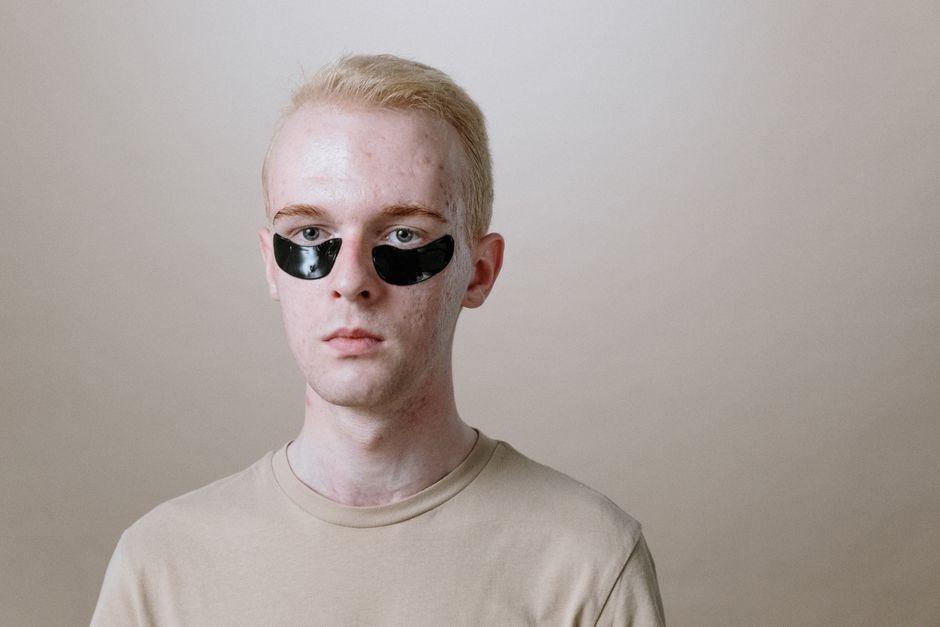
A cystic pimple forms deep under the skin, and popping it will not bring the infection to the surface. Instead, squeezing pushes bacteria and inflammation deeper into the dermis, which often makes the bump larger, more painful, and more likely to scar. The most effective way to help a cystic pimple without popping it is to apply consistent, targeted treatments that reduce inflammation from the outside while the body resolves the blockage from the inside. Warm compresses, topical benzoyl peroxide, and patience are the core tools, and in stubborn cases, a dermatologist can offer prescription options that oral or topical home care cannot match.
Why Popping A Cystic Pimple Makes It Worse
A cystic pimple is not a surface blackhead or whitehead. It is a walled-off pocket of infection that sits in the deep layers of the skin, often with no visible opening to the surface. When you squeeze it, you do not release the contents—you rupture the wall and push infected material sideways into healthy tissue.
That spread triggers a larger immune response. The area becomes more swollen, more red, and more tender. The deeper inflammation also increases the risk of permanent scarring because the body produces collagen to repair the damaged tissue, and that repair process can leave a depressed or raised scar. In some cases, squeezing can also introduce new bacteria from your fingers into the wound, causing a secondary infection that takes weeks to resolve.
There is also a practical problem. Because the infection is deep, most cystic pimples will not “come to a head” within a day or two. Repeated attempts to pop them over several days keep re-injuring the same tissue, which resets the healing clock each time.
What Actually Works: Evidence-Based Home Care
Home treatment for a cystic pimple focuses on two goals: reducing inflammation and keeping the area clean without further irritation. No home remedy will make a deep cyst disappear overnight, but consistent care can shorten the duration and reduce the severity.
Warm compresses are one of the most reliable tools. Apply a clean cloth soaked in warm—not hot—water to the area for 10 to 15 minutes, two to three times per day. The heat increases blood flow to the area, which helps the body’s immune cells reach the infection more efficiently. It can also help the contents of the cyst soften and move closer to the surface over several days, which may allow it to drain on its own without pressure.
Topical benzoyl peroxide is the most studied over-the-counter ingredient for inflammatory acne. It works by killing the bacteria that contribute to acne and by helping to clear blocked pores. A 2.5% or 5% gel applied once daily to the affected spot is a reasonable starting point. Higher concentrations do not work better—they only increase irritation. Apply a thin layer, and do not combine it with other harsh active ingredients like salicylic acid or retinoids on the same spot in the same session unless a clinician has told you to.
Ice can help with pain and swelling, but use it correctly. Wrap an ice cube or cold pack in a thin cloth and hold it on the area for no more than 5 to 10 minutes at a time. Direct ice on bare skin can cause frostbite-like damage. Use ice early, when the pimple first appears, to limit the inflammatory response.
What To Avoid While The Cyst Heals
The list of what not to do is as important as what to do. Do not use extraction tools—the metal comedone extractors sold online or in drugstores. They are designed for shallow blackheads and whiteheads, not deep cysts. Using them on a cyst can puncture the wall and cause the same damage as squeezing with your fingers.
Avoid heavy or occlusive skincare products on the affected area. Thick moisturizers, heavy foundations, and oil-based sunscreens can trap heat and bacteria against the skin. If you need to cover the pimple, use a non-comedogenic product labeled as such, and remove it gently at the end of the day.
Do not pick at the scab or crust that may form if the cyst eventually drains on its own. That crust is part of the healing process. Removing it early reopens the wound and increases the chance of scarring.
Also avoid popping other pimples nearby. The skin around a cystic pimple is already inflamed and fragile. Squeezing adjacent areas can create new entry points for bacteria and prolong the overall breakout.





When To See A Dermatologist
Home care has limits. If a cystic pimple does not improve after one to two weeks of consistent treatment, or if it is causing significant pain, swelling, or embarrassment, a dermatologist visit is appropriate. Dermatologists have access to treatments that are not available over the counter.
Intralesional corticosteroid injections are the fastest way to shrink a single cystic pimple. A dermatologist injects a diluted steroid directly into the cyst, which rapidly reduces inflammation. Most people see significant improvement within 24 to 48 hours. This is a common procedure for a single painful cyst, and it is generally safe when performed by a trained clinician. It is not a treatment for ongoing acne—it addresses one lesion at a time.
For people who get cystic pimples regularly, a dermatologist may recommend prescription treatments. These can include topical retinoids like tretinoin, oral antibiotics for short-term control, or oral medications like spironolactone for hormonal acne in women. Isotretinoin is reserved for severe, scarring acne that has not responded to other treatments. These options require a prescription and a discussion with a clinician about side effects and monitoring.
You should also see a clinician if the pimple shows signs of a serious infection. Redness spreading beyond the pimple itself, warmth that increases over time, fever, or significant pain are all reasons to seek medical attention promptly. These symptoms can indicate cellulitis, a deeper skin infection that requires prescription antibiotics.
How Long Does A Cystic Pimple Take To Heal?
A cystic pimple that is not popped typically takes 1 to 2 weeks to resolve on its own, though some can last longer. The timeline depends on the depth of the cyst, your skin’s natural healing rate, and how consistently you apply treatment.
Warm compresses and benzoyl peroxide can shorten the active phase, but they do not guarantee a faster resolution. The body must break down the trapped material and reabsorb it, and that process cannot be accelerated by scrubbing, rubbing, or applying more product. Over-treating the area with multiple active ingredients can actually slow healing by causing chemical irritation on top of the existing inflammation.
After the visible bump goes down, the area may remain pink or discolored for several weeks. This is called post-inflammatory erythema, and it is not a scar. It fades on its own over time. True scarring—depressed pits or raised bumps—is more likely if the cyst was squeezed or if you have a history of scarring from acne.
Does Toothpaste Help A Cystic Pimple?
No. The toothpaste trick is one of the most persistent skincare myths on the internet, and it does not work for cystic acne. Toothpaste contains ingredients that dry the skin, but it also contains abrasives, flavorings, and detergents that are not meant for skin contact. Applying toothpaste to a deep cyst can cause chemical burns, contact dermatitis, and increased redness.
There is no clinical evidence that toothpaste reduces the size or duration of a cystic pimple. The drying effect people notice is actually irritation. If you are looking for a drying treatment, a 2.5% benzoyl peroxide gel is the evidence-based alternative.
Can You Drain A Cystic Pimple At Home Safely?
No safe method exists for draining a cystic pimple at home. The cyst is deep, and the skin over it is thick. Any attempt to create an opening with a needle, pin, or blade carries a high risk of pushing infection deeper, causing bleeding, or introducing new bacteria.
Dermatologists sometimes drain cysts in the office, but they do so under sterile conditions and often with a small incision that allows the contents to be expressed without rupturing the wall. They also have the tools to manage bleeding and to decide whether a steroid injection is a better option than draining. This is not a procedure that translates to a bathroom mirror.
If a cyst is very large, painful, or has been present for more than two weeks, a dermatologist may offer incision and drainage. This is a clinical procedure, not a home remedy. The goal is to reduce pain and speed resolution, but it does not prevent future cysts from forming.
Preventing Future Cystic Pimples
Prevention is more effective than treatment for people who get cystic pimples repeatedly. The most important step is to follow a consistent skincare routine that includes a gentle cleanser and a non-comedogenic moisturizer. Over-washing and using harsh astringents can damage the skin barrier and make breakouts worse.
For hormonal acne—which often appears along the jawline and chin—some evidence suggests that reducing dairy intake may help, but the research is not strong enough to recommend eliminating dairy for everyone. The evidence is mixed, and the effect, if it exists, varies by person. If you suspect a food triggers your breakouts, keeping a diary and testing one change at a time is a reasonable approach, but do not expect a dietary fix to replace medical treatment.
Stress is a known trigger for acne flare-ups in some people. The mechanism is not fully understood, but stress hormones like cortisol can increase oil production and inflammation. Managing stress through sleep, exercise, or other methods may reduce the frequency of flares, though it will not cure acne on its own.
If you get more than a few cystic pimples per month, or if they leave scars, a dermatologist can help you build a preventive plan. Over-the-counter products are rarely enough for chronic cystic acne. Prescription options are more effective because they target the underlying causes—hormones, bacteria, and inflammation—rather than treating one pimple at a time.
Frequently Asked Questions
How long does a cystic pimple last if you do not pop it?
A cystic pimple typically lasts 1 to 2 weeks without popping. Some can last longer, especially if they are deep or if the area is repeatedly irritated.
Will ice help a cystic pimple?
Ice can reduce swelling and pain if applied early and correctly. Wrap it in a cloth and limit application to 5 to 10 minutes at a time to avoid skin damage.
Can I put a hydrocolloid patch on a cystic pimple?
Hydrocolloid patches can help protect the area and absorb fluid if the cyst has opened, but they do not penetrate deep enough to treat a closed cyst. They are not a substitute for benzoyl peroxide or a warm compress.
Is it safe to use a needle to drain a cystic pimple?
No. Piercing a cystic pimple at home risks pushing infection deeper and causing scarring. Only a dermatologist should drain a cyst, and only under sterile conditions.
