

Lactation without pregnancy is possible, and it has a name: induced lactation. The process works because milk production depends on hormones and nipple stimulation, not on pregnancy itself. Pregnancy is simply the most common way the body triggers those changes. With deliberate, repeated breast stimulation and, in some cases, hormone therapy guided by a doctor, a person who has never been pregnant can build a milk supply. It takes weeks to months, and the results vary widely from person to person.
How Does Milk Production Actually Work?
Breast milk production runs on two hormones: prolactin and oxytocin. Prolactin tells the milk-making cells in the breast to produce milk. Oxytocin triggers the let-down reflex that releases it.
During pregnancy, high levels of estrogen, progesterone, and prolactin prepare the breast tissue to make milk. After delivery, progesterone and estrogen drop sharply. That drop is what allows prolactin to drive full milk production. This is why milk usually arrives a few days after birth.
Here is the part that matters for induced lactation. The breast does not require pregnancy to respond to prolactin. Frequent nipple stimulation sends signals to the brain to release more prolactin and oxytocin. Over time, this can build a supply even without the hormonal surge of pregnancy. The same feedback loop that sustains breastfeeding after birth can, in principle, be started from scratch.
What pregnancy adds is a head start. It builds the milk-producing tissue in advance and floods the body with prolactin. Without that head start, the process is slower and the final supply is often smaller.
What Is Induced Lactation and Who Uses It?
Induced lactation is the deliberate establishment of milk production in someone who has not recently been pregnant. It is used most often by adoptive mothers, same-sex female couples, and transgender women who want to breastfeed or chestfeed a child.
There are two related situations worth separating:
- Induced lactation — building a supply from little or no prior milk production.
- Relactation — rebuilding a supply in someone who has lactated before, such as after weaning or a gap in breastfeeding.
Relactation tends to be easier because the breast tissue has already developed. Induced lactation in someone who has never been pregnant is the harder case and the one this article focuses on.
It is worth being honest about outcomes. Induced lactation often produces a partial supply. Many people who induce lactation combine their own milk with donor milk or formula. That is a normal and expected result, not a failure.
How To Get Lactation Without Pregnancy
The core method is mechanical: stimulate the breasts frequently and consistently, and the body responds by ramping up prolactin. There is no shortcut around the stimulation itself. Hormones can support the process, but they do not replace it.
Most protocols combine several elements:
- Regular breast stimulation — using a hospital-grade double electric pump or hand expression, often many times a day.
- Nipple and breast massage — helps with let-down and drainage.
- Skin-to-skin contact with the baby, when possible, which supports oxytocin release.
- Hormone therapy in some cases, prescribed and monitored by a clinician.
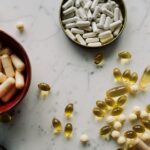
- Galactagogues — substances believed to increase milk supply, though the evidence for most is weak.
The stimulation schedule is the backbone. Protocols used in clinical settings typically involve pumping every few hours, including overnight, similar to what a newborn demands. Skipping sessions signals the body to reduce output. Consistency matters more than any single technique.
Timing matters too. Many people start the process weeks to months before a baby arrives, so that some supply is established by the time feeding begins.




What Role Do Hormones and Medications Play?
Hormone therapy is sometimes used to mimic part of what pregnancy does. The general idea is to expose the breast tissue to estrogen and progesterone for a period, then stop, creating a drop that lets prolactin act. This is a medical intervention, not a do-it-yourself step.
These hormones carry real risks. Estrogen-containing medications can raise the risk of blood clots and are not appropriate for everyone. They are also generally avoided in people with certain cancer histories. This is why hormone-assisted induction should be managed by a doctor who knows your history.
Some clinicians also prescribe medications that raise prolactin directly. Domperidone is one that has been used for this purpose in some countries, but it is not approved for milk production in the United States and carries cardiac risks. Metoclopramide has also been studied, with mixed results and its own side effects.
The evidence here is genuinely limited. There are no large randomized trials establishing the best hormone regimen for induced lactation. Much of what clinicians use comes from smaller studies, case reports, and accumulated practice rather than strong trial data. If a provider recommends a specific protocol, it reflects their clinical judgment, not a settled standard proven in large trials.
Do Herbs and Foods Increase Milk Supply?
This is where marketing outruns evidence. Many products — teas, capsules, cookies, powders — claim to boost milk supply. For most, the human evidence is thin or absent.
Fenugreek is the most commonly cited herb. Some small studies and a great deal of anecdotal reporting suggest it may help, but results are inconsistent and the overall evidence is weak. Fenugreek can also cause gastrointestinal upset and has been associated with lowered blood sugar, which matters for people with diabetes. It is not recommended during pregnancy.
Other substances sometimes mentioned include blessed thistle, fennel, and various “lactation cookies” built around oats and brewer’s yeast. No well-controlled human trials confirm that these reliably increase milk production.
The honest position: no herb or food has been shown in strong human trials to reliably build a milk supply on its own. Stimulation remains the primary driver. If you want to try a galactagogue, talk to a clinician first, especially if you take any medication or have a health condition.
How Long Does It Take and What Results Are Realistic?
Expect weeks, not days. Most protocols run for several weeks to a few months before a baby arrives, and supply often continues to build after feeding begins.
Realistic outcomes vary a lot. Some people produce a full supply. Many produce a partial supply. Some produce only drops. There is no reliable way to predict in advance which category you will fall into, and no test that tells you ahead of time.
Factors that tend to help include prior lactation history, more time before the baby arrives, frequent and consistent stimulation, and having adequate glandular breast tissue. Factors that can limit results include certain breast surgeries, some medical conditions, and hormonal imbalances.
A lactation consultant is genuinely useful here. They can help with pump technique, flange sizing, schedules, and adjusting the plan as you go. This is not a field where a generic online protocol works well for everyone.
What Are the Risks and Limitations?
Induced lactation is generally considered low-risk when it relies on stimulation alone. The main downsides are time, effort, and the emotional weight of an uncertain outcome.
Hormone therapy and prescription medications carry more serious risks, including blood clots, cardiac effects, and drug interactions. These require medical supervision.
One limitation people often do not hear about: induced milk may differ slightly in composition from milk produced after pregnancy, particularly in the early weeks. It is still nutritionally valuable, but the process does not perfectly replicate the hormonal environment of pregnancy and birth.
There is also an honesty point worth stating plainly. Induced lactation is not guaranteed. Some people follow a protocol carefully and still produce very little. That outcome is not a personal failing, and it does not reflect a lack of effort. It reflects biology that does not always cooperate with the plan.
Frequently Asked Questions
Can you produce milk without ever being pregnant?
Yes. Repeated breast stimulation can raise prolactin and oxytocin enough to build a milk supply without pregnancy. Results range from a few drops to a full supply, and the process usually takes weeks to months.
How long does it take to induce lactation?
Most protocols run for several weeks to a few months before feeding begins. Supply often continues to build after the baby starts nursing or taking pumped milk.
Do you need medication to induce lactation?
No. Stimulation alone can work, though some people use prescribed hormones or medications to support the process. Hormone therapy carries real risks and requires medical supervision.
Do lactation cookies and teas really work?
No well-controlled human trials confirm that these products reliably increase milk supply. Stimulation remains the primary driver of milk production.
