
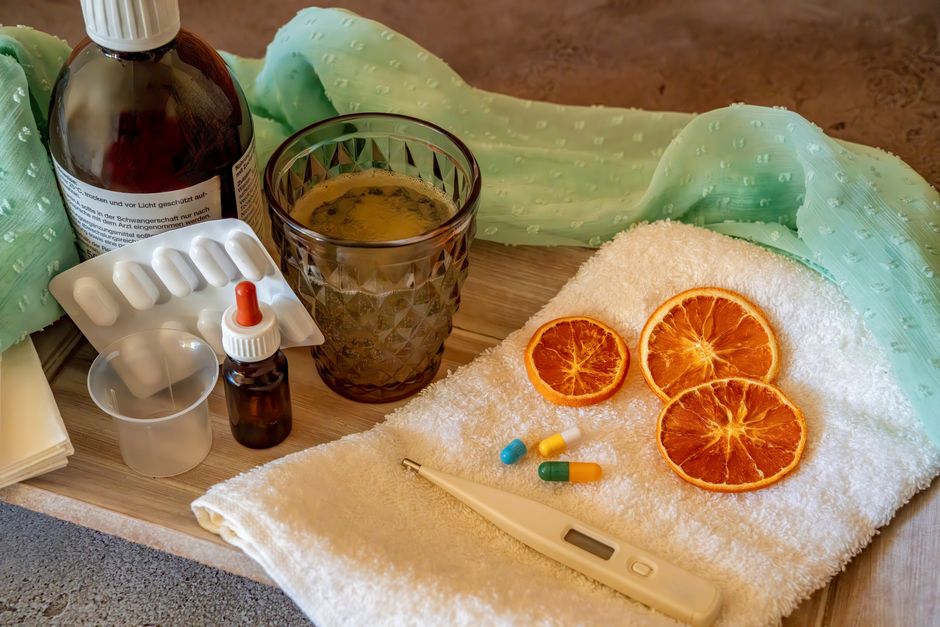
Canker sores are painful mouth ulcers that usually heal on their own within one to two weeks. To help them heal faster and reduce pain, you can use over-the-counter topical gels that contain benzocaine or hydrogen peroxide, avoid spicy and acidic foods, and rinse your mouth gently with salt water or a diluted hydrogen peroxide solution. Prescription treatments and cautery products are also available for persistent or unusually severe sores.
What Are Canker Sores and What Causes Them?
Canker sores, also called aphthous ulcers, are shallow, painful sores that form on the soft tissues inside your mouth — the inside of the cheeks and lips, the floor of the mouth, the tongue, and the soft palate. They are not contagious, unlike cold sores (fever blisters) which are caused by the herpes simplex virus and appear on the outside of the lips.
The exact cause of canker sores is not fully understood, but several triggers are well established. Minor mouth injuries from biting your cheek, brushing too hard, or eating sharp foods can start a sore. Stress, hormonal changes, acidic fruits (like citrus, tomatoes, pineapple), and certain toothpastes containing sodium lauryl sulfate may also trigger outbreaks in some people. A family history of canker sores is common, suggesting a genetic component. In some cases, canker sores can be linked to nutritional deficiencies — specifically low levels of vitamin B12, folate, or iron — or to underlying conditions such as Crohn’s disease, celiac disease, or Behçet’s disease.
How To Help A Canker Sore Remedies That Work
The most effective remedies for canker sores focus on pain relief and reducing inflammation while the ulcer heals on its own. Over-the-counter topical gels and pastes that contain benzocaine, lidocaine, or hydrogen peroxide are widely available and provide temporary numbing and a protective barrier over the sore. These products can be applied directly to the ulcer several times a day, especially before meals.
Oral rinses with salt water (½ teaspoon of salt dissolved in a cup of warm water) can soothe the area and keep it clean. Rinse gently for 30 seconds and spit. Avoid swishing vigorously. A diluted hydrogen peroxide rinse (mix equal parts 3% hydrogen peroxide and water) can also help clean the sore and reduce bacteria. Use it once or twice a day, but do not swallow it, and do not use it for more than a few days in a row because it can irritate healthy tissue.
Non-prescription pain relievers like acetaminophen or ibuprofen can be taken for general discomfort, but always follow label directions. For larger or more painful sores, a dentist or doctor may prescribe a corticosteroid ointment (such as triamcinolone dental paste) or a prescription mouthwash containing dexamethasone. Some clinicians also use cautery agents — such as debacterol or silver nitrate — to chemically burn the sore and speed healing, but these are not first-line treatments and are usually only used when sores are severe or recurrent.
It is important to note that no treatment makes canker sores disappear instantly. Healing still takes several days. The goal of treatment is to reduce pain and help you eat and speak comfortably while the body repairs the tissue.
What Ingredients Should You Look For In A Canker Sore Treatment?
When choosing an over-the-counter product, look for one that contains a local anesthetic such as benzocaine or lidocaine. These ingredients numb the sore for 15 to 30 minutes. Products with benzocaine are labeled with a strength (5% to 20%); stronger concentrations provide longer numbing but should be used sparingly and only on the sore itself, not on healthy tissue.
Antiseptic ingredients like hydrogen peroxide or carbamide peroxide help clean the ulcer and may reduce the risk of secondary infection. Some products combine an anesthetic with an antiseptic. Alum (ammonium aluminum sulfate) is also used in some mouthwashes and pastes, but clinical evidence for its effectiveness is limited. Sucralfate, a prescription drug for stomach ulcers, is sometimes used off-label as a mouthwash to coat canker sores, but it is not widely available over the counter.
Avoid products that contain alcohol, which can sting and delay healing. Many gels are alcohol-free and better tolerated.


When Should You See A Doctor For A Canker Sore?
Most canker sores are minor and resolve without medical care. However, you should see a dentist or doctor if any of the following apply:
- The sore is larger than 1 centimeter (about the size of a pea) or there are several sores at once.
- The sore lasts longer than two weeks without healing.
- The pain is severe enough that you cannot eat or drink normally.
- The sore spreads or you develop a fever, rash, or swollen lymph nodes.
- You have recurrent canker sores (several times per year) that interfere with your quality of life.
- You have other symptoms such as unexplained weight loss, joint pain, or mouth sores that start after starting a new medication.
In these cases, a healthcare provider can evaluate for underlying conditions such as autoimmune disease, nutritional deficiencies, or medication reactions. They may also prescribe stronger treatments than what is available over the counter.
Can You Prevent Canker Sores?
Prevention is possible for some people by identifying and avoiding their personal triggers. If acidic foods consistently cause sores, reducing citrus, tomatoes, and pineapple may help. Switching to a toothpaste without sodium lauryl sulfate is another common recommendation, though not all studies confirm its benefit.
Managing stress through relaxation techniques or exercise may reduce the frequency of outbreaks if stress is a trigger. For people with recurrent canker sores, some research suggests that daily supplementation with vitamin B12 can reduce the number of outbreaks. One study published in a peer-reviewed journal found that people who took 1,000 mcg of vitamin B12 daily for six months had fewer sores and less pain than those who took a placebo. However, this single study is not strong enough to recommend universal supplementation. If you have frequent canker sores, ask your doctor to check your B12, folate, and iron levels before starting supplements.
No preventive strategy works for everyone. The most reliable approach is to avoid injuries inside the mouth — use a soft toothbrush, chew carefully, and don’t bite your lips or cheeks.
Common Myths About Canker Sore Remedies
Burning or “cauterizing” the sore yourself at home does not speed healing. Some people try to burn the sore with a cotton swab dipped in alcohol, hydrogen peroxide, or even aspirin. This only causes more pain and tissue damage. Hydrogen peroxide should always be diluted and used only briefly.
Applying table salt directly to a canker sore is not a good idea. It will burn severely and may irritate the surrounding tissue. A salt water rinse is gentle and effective — the salt does not need to be concentrated on the sore itself.
Vitamin C or citrus “acid” therapy won’t help. Canker sores are not caused by a deficiency of vitamin C in most people, and acidic foods can actually make them worse.
Lysine supplements do not have clear evidence for canker sores. Lysine is sometimes recommended for cold sores caused by herpes virus, but canker sores are not viral in that way. Some small studies have suggested lysine might help prevent aphthous ulcers, but the evidence is mixed and not strong enough to recommend it. The same caution applies to echinacea and bee propolis — there is no high-quality human trial confirming benefit for canker sores.
Frequently Asked Questions
Can you pop a canker sore?
No, do not try to pop or drain a canker sore. It is not a blister with fluid; instead it is a shallow ulcer, and picking at it will cause more pain and slow healing.
How long does it take for a canker sore to heal?
Most canker sores heal on their own within 7 to 14 days. Larger sores may take up to three weeks. If a sore lasts longer than two weeks, see a healthcare provider.
Is hydrogen peroxide safe for canker sores?
Yes, when diluted with equal parts water and used once or twice a day, it can help clean the sore and reduce bacteria. Do not swallow it, and stop using it if it causes irritation.
Are canker sores contagious?
No, canker sores are not contagious. You cannot pass them to someone else through kissing, sharing food, or coughing. Cold sores are contagious — they are a different condition caused by the herpes simplex virus.
