
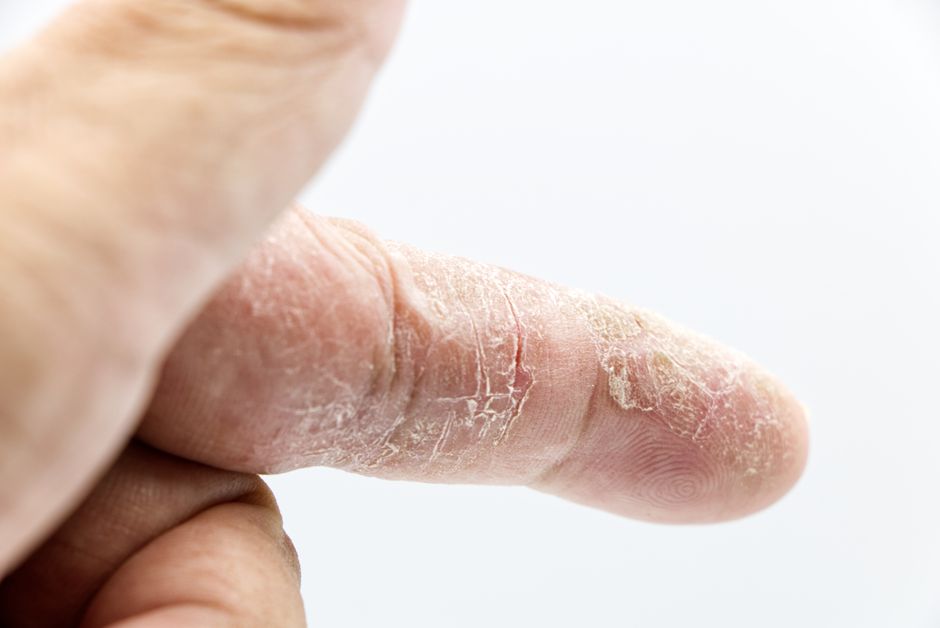
An open blister is a break in your skin’s protective barrier. Once that barrier is gone, bacteria have a direct path into your body. The goal of treatment is simple: keep the wound clean, keep it moist, and protect it from further damage while your skin rebuilds itself. You can heal an open blister at home without infection by washing it gently, applying a protective dressing, and changing that dressing daily until new skin forms.
What Causes a Blister to Open?
Blisters form when friction damages the layers of your skin. Fluid collects between the layers to cushion the area while it heals. That fluid is your body’s natural protective response.
A blister opens when the top layer of skin tears. This can happen from continued friction, like wearing the same ill-fitting shoe, or from deliberate popping. Once open, the wound is exposed to dirt, sweat, and bacteria. The risk of infection rises the longer the wound stays uncovered.
How To Heal Open Blisters Without Getting Infected
The first step is washing your hands thoroughly. Touching the wound with unclean hands introduces bacteria directly into the open tissue.
Next, rinse the blister gently with clean water. Mild soap is acceptable around the edges, but avoid getting soap deep inside the wound. Soap can irritate the raw tissue underneath. Do not use alcohol, hydrogen peroxide, or iodine directly on the open wound. These agents kill bacteria, but they also damage the new skin cells your body is trying to grow. This slows healing and can increase scarring.
After cleaning, let the area air dry or pat it gently with a clean cloth. Do not rub. Apply a thin layer of plain petroleum jelly or a fragrance-free ointment. This keeps the wound moist, which research consistently shows speeds up healing compared to letting a wound dry out.
Cover the blister with a sterile bandage or a specialized blister dressing. Hydrocolloid dressings are particularly useful because they create a moist environment and stay in place for several days. Change the dressing at least once a day, or anytime it becomes wet or dirty.
Watch for signs of infection each time you change the dressing. Redness spreading beyond the wound edge, increasing pain, warmth, swelling, or yellow-green drainage are warning signs. If you develop a fever or red streaks extending from the blister, seek medical care promptly.
Should You Pop a Blister or Leave It Alone?
If a blister is still intact, the best course is to leave it alone. The unbroken skin is a sterile environment, and the fluid inside protects the healing tissue beneath. Popping a blister deliberately creates an open wound that requires ongoing care and carries infection risk.
There is one common exception. If a blister is large, tense, and painful enough to limit movement, some clinicians recommend draining it under sterile conditions. This involves cleaning the skin with antiseptic, using a sterilized needle to make a small puncture at the edge, and gently pressing out the fluid while leaving the top skin layer in place.
This is not something to do casually. If you choose to drain a blister, wash your hands, clean the skin thoroughly, and cover the drained blister with antiseptic ointment and a bandage afterward. Leaving the roof of the blister intact provides a natural protective covering over the raw skin beneath.
If you have diabetes, poor circulation, or a weakened immune system, do not drain blisters yourself. These conditions impair healing and raise infection risk significantly. Seek professional medical advice instead.



What Not To Put on an Open Blister
Several common home remedies can make an open blister worse. Avoid these:
- Alcohol or hydrogen peroxide — These damage new tissue and delay healing.
- Antibiotic ointments — Routine use is not necessary for healthy people. Plain petroleum jelly works just as well for most minor wounds.
- Butter, toothpaste, or essential oils — No clinical evidence supports these, and they introduce bacteria and irritants into the wound.
- Adhesive bandages applied directly — The adhesive can stick to the raw wound and tear new skin when removed. Use a non-stick pad or hydrocolloid dressing instead.
Antibiotic ointments do have a role. If you notice early signs of infection, or if you have a condition that raises your infection risk, an over-the-counter antibiotic ointment may be appropriate. But for a clean, minor blister in a healthy person, simple petroleum jelly is sufficient and avoids the risk of contact dermatitis.
How Long Does an Open Blister Take To Heal?
A minor open blister typically heals within 3 to 7 days if kept clean and protected. The new skin underneath is fragile at first. It appears pink and shiny. Full strength returns over another week or two as the skin layers rebuild.
Larger blisters or blisters in high-friction areas, like the heel or sole of the foot, may take longer. These areas are constantly under pressure during walking, which slows the healing process.
Healing time also depends on your overall health. People with diabetes, peripheral artery disease, or conditions that suppress the immune system heal more slowly. If you have one of these conditions and develop a blister, monitor it closely and consult a healthcare provider early rather than waiting.
How To Prevent Blisters From Forming in the First Place
Prevention is always better than treatment. Blisters most often form from friction and moisture. Address both and you reduce your risk substantially.
Wear properly fitted shoes. Shoes that are too tight create pressure points. Shoes that are too loose allow your foot to slide and rub against the material. Break in new shoes gradually rather than wearing them all day on the first outing.
Keep your feet dry. Moisture softens the skin and increases friction. Moisture-wicking socks made from synthetic fibers move sweat away from the skin better than cotton. If your feet sweat heavily, consider changing socks mid-day or using foot powder.
Apply a lubricant like petroleum jelly to high-friction areas before activity. This reduces the friction between skin and shoe material. Some runners use specialized anti-friction balms for this purpose. These products work by the same mechanism — reducing shear forces on the skin.
Consider wearing two pairs of socks, a thin liner sock under a thicker outer sock. This creates a friction point between the two sock layers rather than between the sock and your skin. This technique is common among hikers and military personnel who walk long distances.
Stop activity at the first sign of a “hot spot.” That burning sensation is the early warning sign of a forming blister. Apply a protective dressing or padding to the area before it progresses to a full blister.
When To See a Doctor
Most open blisters heal without medical attention. Certain situations require professional care.
Seek medical attention if you see signs of infection: spreading redness, red streaks, increasing pain, warmth, pus, or fever. These indicate the infection has moved beyond the wound itself.
Seek medical care if you have diabetes, peripheral artery disease, or a weakened immune system. Blisters in these populations can progress to serious infections rapidly. Do not wait for symptoms to worsen before seeking help.
Seek medical care if the blister was caused by a burn, a chemical exposure, or an animal bite. These wounds carry different infection risks and may require specific treatment.
If the blister is very large — larger than about 2 centimeters across — or if it refills with fluid repeatedly after draining, a healthcare provider should evaluate it.
Frequently Asked Questions
Should I remove the loose skin from a popped blister?
No, leave the loose skin in place. It acts as a natural bandage over the raw tissue underneath and helps prevent infection.
Can I shower with an open blister?
Yes, but keep the wound out of direct water pressure and avoid soaking it. Clean the area gently afterward and apply a fresh dressing.
Is it better to keep a blister covered or let it air out?
Keep it covered. A moist, protected wound heals faster than a dry, exposed one, and the dressing keeps bacteria out.
What does an infected blister look like?
An infected blister shows spreading redness, increasing pain, warmth, swelling, or yellow-green pus. Red streaks extending from the wound or a fever require immediate medical care.
