
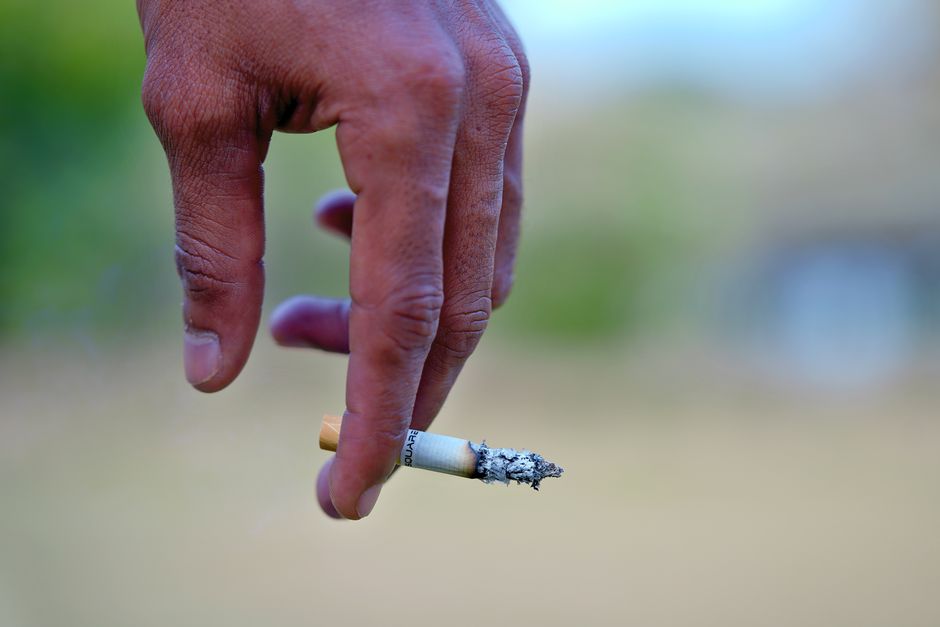
When you stop smoking, your lungs begin a real process of repair. Within hours, your heart rate and blood pressure start to drop. Within days, the tiny hair-like structures in your airways, called cilia, start working again to clear mucus and debris. This repair is not instant, and some damage may be permanent, but the body is remarkably resilient. The most effective way to heal is simply to stay quit and let your body do the work it is designed to do.
What Happens to Your Lungs the Moment You Quit?
The timeline of recovery is well documented. It is not a marketing claim; it is physiology. Within 20 minutes of your last cigarette, your heart rate drops toward a normal level. Within 12 hours, the carbon monoxide level in your blood returns to normal. Carbon monoxide binds to red blood cells more readily than oxygen, so this change means your tissues are suddenly getting more oxygen than they have in years.
After a few weeks, you may notice you can breathe easier during physical activity. This happens because your airways are less inflamed and your lungs are producing less mucus. The most dramatic internal change happens over the following months. Cilia, which were paralyzed by the toxins in cigarette smoke, begin to regrow and function properly. This is why many former smokers develop a cough shortly after quitting. It sounds counterintuitive, but that cough is your lungs cleaning out the debris that the cilia could not move while you smoked. It is a sign of healing, not damage.
How Long Does It Take for Lungs to Heal?
Full healing depends on how long you smoked and how much damage was done. If you have only smoked for a few years, your lungs may return to near-normal function. If you smoked for decades, some damage, like emphysema, is permanent. The key is that even with permanent damage, quitting slows the progression of disease dramatically.
Research shows that after one year of abstinence, the excess risk of coronary heart disease drops by half. After five years, the risk of cancers of the mouth, throat, esophagus, and bladder is cut in half. For lung health specifically, the risk of lung cancer drops significantly after ten years of being smoke-free. These are not guarantees of perfect health, but they are measurable improvements in risk that occur simply by not smoking.
The most important point is that the body starts repairing immediately, but the process takes years. Some structural changes, such as the destruction of alveoli in emphysema, are irreversible. However, the inflammation that causes bronchitis and the precancerous changes in the airways can reverse over time. This is why doctors say it is never too late to quit, but it is always better to quit sooner.
Which Breathing Exercises Actually Help Lung Recovery?
You cannot force your lungs to heal faster by breathing hard. But you can improve your lung function and your ability to use the lungs you have. Deep breathing exercises help keep the airways open and strengthen the diaphragm, the main muscle used for breathing.
One technique used in pulmonary rehabilitation is diaphragmatic breathing. Place one hand on your belly and one on your chest. Breathe in slowly through your nose, focusing on pushing your belly out against your hand. Your chest should barely move. Exhale slowly through pursed lips, like you are blowing through a straw. This helps keep the airways open longer and improves gas exchange.
Pursed-lip breathing is another useful exercise. Inhale through your nose for two counts, then exhale through pursed lips for four counts. This creates a slight back-pressure in the airways, which helps keep them from collapsing. These exercises are not a cure for lung disease, but they are standard tools used in clinical settings to help people with chronic obstructive pulmonary disease (COPD) manage symptoms. They can benefit anyone recovering from years of smoking.

Can Diet and Supplements Repair Lung Tissue?
No food or supplement can reverse emphysema or cure damaged lungs. Anyone who claims a specific supplement “cleanses” your lungs is not telling the truth. The lungs are self-cleaning organs. The best dietary approach is to eat a diet rich in antioxidants and anti-inflammatory foods to support your body’s natural repair systems.
Fruits and vegetables, particularly those high in vitamin C and beta-carotene, have been studied for their role in lung health. Some research suggests that diets rich in these nutrients are associated with better lung function in former smokers. This does not mean that vitamin C repairs lung tissue directly. It means that a healthy diet supports overall immune function and reduces oxidative stress, which is the cellular damage caused by toxins, including those in cigarette smoke.
There is no clinical evidence that any herbal supplement, tea, or essential oil can remove tar from your lungs or speed up healing. If a product promises to “detoxify” your lungs, treat that as a red flag. Your body already has a detoxification system: your liver, kidneys, and lungs. The best way to support it is to stay hydrated, eat well, and avoid inhaling anything harmful, including secondhand smoke and vaping aerosols.
Why Do I Cough More After Quitting?
This surprises many people. You quit smoking to feel better, and instead you develop a wet cough that seems to last for weeks. This is normal and expected. While you smoked, the cilia in your airways were paralyzed. Mucus produced in the airways could not be moved upward and out of the lungs. It just sat there, trapping bacteria and debris.
When you quit, the cilia “wake up” and start sweeping that accumulated mucus up toward your throat. This causes a productive cough that can last for several weeks or even months. The cough is a sign that your lungs are clearing themselves. It will gradually subside as the mucus is cleared and the airways heal. If the cough persists for more than a month after quitting, or if you cough up blood, see a doctor. Persistent cough can be a sign of an underlying condition that needs evaluation.
Does Exercise Help Heal Smokers’ Lungs?
Exercise does not regrow destroyed alveoli, but it does strengthen your heart and muscles, which makes your body more efficient at using the oxygen you take in. Regular aerobic exercise, like walking, cycling, or swimming, improves cardiovascular fitness. This means your muscles extract oxygen from your blood more efficiently, so you feel less short of breath during daily activities.
Start slowly. A former smoker who has been sedentary for years should not jump into intense interval training. Begin with brisk walking for 20 to 30 minutes a few times a week. As your fitness improves, gradually increase the duration and intensity. You may notice that you can walk further or climb stairs with less breathlessness after just a few weeks of consistent exercise.
Exercise also helps clear mucus from the airways. Physical movement and the deeper breathing that comes with exercise can help loosen secretions and move them out of the lungs. This is why many pulmonary rehabilitation programs include supervised exercise as a core component. The evidence for exercise improving quality of life and exercise tolerance in people with lung disease is strong.
When Should You See a Doctor About Your Lungs?
Quitting smoking is a major health milestone, but it does not erase the risk of lung disease. If you have smoked for many years, you should discuss lung health screening with your doctor. The United States Preventive Services Task Force recommends annual low-dose CT screening for lung cancer in adults aged 50 to 80 who have a 20 pack-year smoking history and currently smoke or have quit within the past 15 years.
A pack-year is calculated by multiplying the number of packs smoked per day by the number of years smoked. For example, one pack a day for 20 years equals 20 pack-years. This screening is for people without symptoms. If you have a persistent cough, shortness of breath, chest pain, or you cough up blood, see a doctor regardless of your screening status. These symptoms require evaluation, not waiting.
Do not assume that because you quit, you are safe. Quitting is the single most important thing you can do for your lungs, but it does not restore them to the state they would have been in if you had never smoked. Regular check-ups and honest conversations with your doctor about your smoking history are essential parts of long-term lung health.
Frequently Asked Questions
Can lungs fully recover after years of smoking?
Not always. If the damage is limited to inflammation and mucus production, the lungs can heal significantly. If the air sacs have been destroyed by emphysema, that damage is permanent, though quitting stops further destruction.
How long after quitting does the cough go away?
Most former smokers notice the “quit cough” peaks within the first few weeks and gradually fades over one to three months. If a cough lasts longer than a month after quitting, or produces blood, seek medical advice.
What is the fastest way to clean your lungs after smoking?
There is no fast way. The lungs clean themselves when they are no longer exposed to smoke. Staying quit, staying hydrated, and exercising regularly are the most effective ways to support this natural process.
