
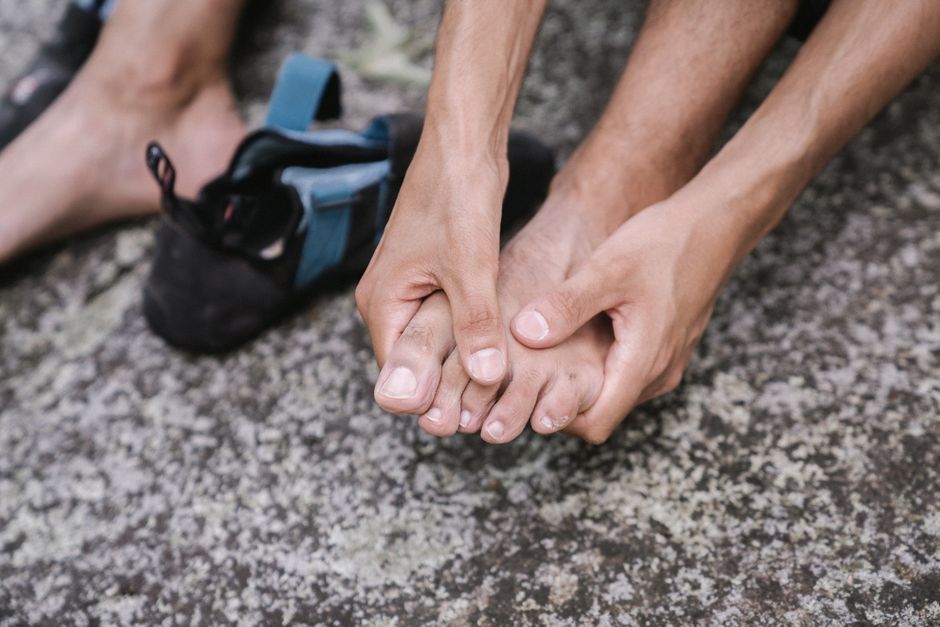
An ingrown toenail happens when the corner or edge of a nail grows into the soft skin beside it. It can cause pain, redness, and swelling. Most cases can be treated at home, but some need medical care. The key is to start treatment early and keep the area clean. Soaking the foot in warm water and gently lifting the nail edge can help many people heal without seeing a doctor.
What Causes an Ingrown Toenail?
Ingrown toenails most often affect the big toe. The most common cause is cutting toenails too short or rounding the corners. When you cut the nail in a curve, the skin can grow over the nail edge. Tight shoes and socks put pressure on the toes and can push the nail into the skin.
Injuries can also cause ingrown toenails. Stubbing your toe, dropping something on it, or repeated pressure from running or kicking can damage the nail. Some people are simply born with nails that curve more than usual. This shape makes them more likely to grow into the skin.
Fungal infections can thicken the nail and change its shape. This can increase the risk of the nail growing into the skin. Medical conditions that cause fluid retention in the feet, like diabetes or kidney disease, can also raise the risk.
How To Heal Ingrown Toe: Home Treatment Steps
Start home treatment as soon as you notice the problem. The earlier you act, the better your chances of avoiding infection.
Soak your foot in warm water for 15 to 20 minutes. Do this two to three times a day. The warm water softens the skin and nail. It also helps reduce pain and swelling. You can add Epsom salt to the water, though plain warm water works just as well.
After soaking, dry your foot thoroughly. Use a clean towel and pat gently. Do not rub. Then use a clean, sterile tool to gently lift the nail edge. A small piece of cotton or dental floss placed under the nail edge can help guide the nail away from the skin. This is called packing or wicking.
Apply an antibiotic ointment to the area and cover it with a clean bandage. This helps prevent infection. Change the bandage daily or whenever it gets wet or dirty.
Wear open-toed shoes or sandals while the toe heals. If you must wear closed shoes, choose ones with a wide toe box. This reduces pressure on the toe and allows the area to heal.
Take over-the-counter pain relievers if needed. Ibuprofen or acetaminophen can help manage pain. Follow the dosing instructions on the package.
When Home Treatment Is Not Enough
Home treatment works for many people, but not everyone. You should see a doctor if the pain becomes severe or the toe does not improve after a few days of home care.
Signs of infection require medical attention. These include increased redness, warmth, swelling, or pain. Pus or drainage from the area is a clear sign of infection. If you have diabetes or poor circulation, see a doctor at the first sign of an ingrown toenail. These conditions increase the risk of serious complications.
A doctor can treat an ingrown toenail in several ways. They may lift the nail and place a splint under it. They may remove the portion of the nail that is growing into the skin. In some cases, they may remove the entire nail. These procedures are done with local anesthesia, so you will not feel pain during the treatment.
For recurrent ingrown toenails, a doctor may recommend a procedure called matrixectomy. This involves removing part of the nail matrix, the tissue that produces the nail. This procedure prevents that portion of the nail from growing back. It has a high success rate for preventing recurrence.




How To Prevent Ingrown Toenails
Prevention is easier than treatment. The most important step is cutting your toenails correctly. Cut them straight across. Do not round the corners. Leave the nail long enough that it does not dig into the skin at the edges. The top of the nail should be level with the top of your toe.
Use proper nail clippers designed for toenails. These are larger and have a straight edge. Do not tear or rip the nail. File any sharp edges gently with an emery board.
Choose footwear that fits properly. Shoes should have enough room in the toe box that your toes can move freely. Avoid shoes that squeeze the toes together. High heels and pointed shoes put excessive pressure on the toes and increase the risk of ingrown nails.
Keep your feet clean and dry. Moisture softens the skin and makes it easier for the nail to pierce it. Change socks daily and choose socks made of moisture-wicking materials.
If you play sports or run frequently, pay extra attention to your feet. The repeated impact can damage the nail. Check your toes regularly for early signs of problems.
Common Mistakes That Make Ingrown Toenails Worse
Some common practices actually worsen the problem. Cutting a notch or V-shape into the nail does not help. This old myth has no evidence behind it. It does not change the direction of nail growth and can create a sharp edge that digs deeper into the skin.
Do not try to dig out the nail with sharp tools. Using scissors, knives, or other sharp objects to cut the nail deep into the corner can cause injury and infection. You can easily cut healthy skin or introduce bacteria into the wound.
Do not ignore the problem hoping it will go away. An ingrown toenail rarely resolves on its own once the nail has pierced the skin. Without treatment, it can lead to infection and more serious complications.
Avoid wearing tight shoes while the toe is healing. This applies pressure and pushes the nail further into the skin. It also traps moisture and bacteria against the wound.
What to Expect During Recovery
With proper home care, most mild ingrown toenails improve within one to two weeks. You should notice reduced pain and swelling within a few days of starting treatment. The area may remain slightly tender until the nail grows past the skin edge.
After a medical procedure, recovery is usually quick. You can return to normal activities within a day or two. The toe may be sore for a few days. Keep the area clean and covered as your doctor directs.
If your doctor removes the nail, it may take several months for a new nail to grow back. The new nail may grow in differently. If a matrixectomy was performed, that portion of the nail will not grow back at all.
Watch for signs of complications after treatment. If you develop increasing pain, redness, or discharge, contact your doctor. These could be signs of infection that requires additional treatment.
When To See a Podiatrist or Doctor
You should see a doctor if you have diabetes, peripheral artery disease, or a weakened immune system. These conditions make infections more dangerous and harder to treat. Do not attempt home treatment if you fall into these categories.
See a doctor if the toe does not improve after three to five days of home treatment. Persistent pain, swelling, or redness means the condition is not resolving on its own.
Seek immediate medical care if you develop signs of a serious infection. These include spreading redness, red streaks going up your leg, fever, or severe pain. These can be signs of cellulitis or a deeper infection that requires antibiotics.
Recurrent ingrown toenails deserve medical attention. If you get them repeatedly, a simple procedure can prevent future occurrences. There is no reason to suffer through them repeatedly.
Frequently Asked Questions
How long does it take for an ingrown toenail to heal?
Mild cases treated at home usually improve within one to two weeks. After a medical procedure, most people return to normal activities within a day or two.
Can I fix an ingrown toenail by cutting it out myself?
No. Cutting the nail yourself with sharp tools can cause injury and infection. See a doctor if the nail is deeply embedded or you cannot lift it gently after soaking.
Does soaking in Epsom salt help an ingrown toenail?
Warm water soaks help soften the skin and nail, which makes lifting the nail edge easier. Epsom salt is not necessary; plain warm water works just as well.
Will an ingrown toenail heal on its own?
Once the nail has pierced the skin, it rarely resolves without some intervention. Early treatment with soaking and gentle lifting can help, but severe cases need medical care.
