
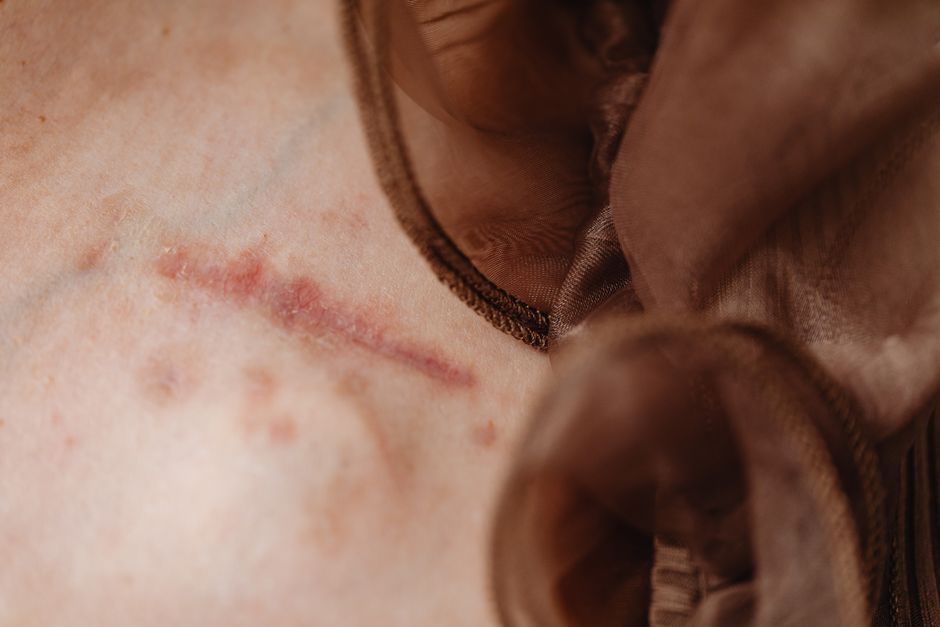
A cut that stays open longer than expected is usually not a sign of poor willpower or bad luck. Most small wounds close within a week or two, and the surface skin often seals over within days. When a cut stalls, the cause is usually physical: poor blood flow, infection, repeated injury to the same spot, or a health condition that slows tissue repair. The key question is not just how long it has been, but whether it is moving in the right direction.
How Long Should a Cut Take to Heal?
Normal wound healing follows a fairly predictable sequence. In a healthy person, a clean minor cut typically stops bleeding within minutes. The body then builds a scaffold of collagen to close the gap, and new surface skin usually covers the wound within roughly one to two weeks. Deeper cuts take longer because more tissue has to be rebuilt.
Healing happens in overlapping phases, not a single event. First comes hemostasis, when platelets and clotting factors plug the wound. Next is inflammation, when immune cells clear debris and bacteria. Then comes proliferation, when new tissue and blood vessels form. Finally comes remodeling, when the scar matures and strengthens. This last phase can continue for months even after the skin looks closed.
The timeline depends heavily on the wound itself. A paper cut on a fingertip is not the same as a deep laceration on the shin, where circulation is slower and the skin is under more tension. Location, depth, and cleanliness all shift the clock.
Why Wont My Cuts Heal And When Should I Be Concerned?
A cut that is not healing usually has an identifiable reason behind it. The most common causes fall into a few categories: something is blocking blood flow, something is feeding infection, something keeps reopening the wound, or the body’s repair system is running slow.
Blood flow matters more than most people realize. Oxygen and nutrients reach a wound through the bloodstream, and immune cells that fight bacteria travel the same route. When circulation is poor, every part of healing slows down. This is one reason wounds on the feet and lower legs can be stubborn, especially in people with diabetes or peripheral artery disease.
Infection is the other major culprit. Bacteria in a wound trigger ongoing inflammation that damages new tissue as fast as the body builds it. Signs include increasing redness, warmth, swelling, throbbing pain, and pus. A wound that smells bad or drains cloudy fluid is a particular concern.
Mechanical factors are easy to overlook. A cut on a knuckle or over a joint gets stretched every time you move. A wound that keeps getting wet, rubbed, or picked at will struggle to close. Smoking is a well-documented obstacle because it narrows blood vessels and reduces oxygen delivery to tissue.
Certain health conditions genuinely slow repair. Diabetes is the most common, partly through nerve damage and poor circulation. Conditions that affect immunity or connective tissue can also interfere. Some medications, including long-term corticosteroids, are known to impair wound healing. If a cut is not closing and none of the obvious causes apply, that is worth raising with a clinician.
What Does an Infected Cut Look Like?
Infection is the most frequent reason a cut fails to heal, and it has recognizable signs. Early on, the wound edges may look more red than the surrounding skin, feel warm, and hurt more than the injury itself would suggest. As it progresses, you may see swelling, yellow or green drainage, and a foul odor.
Watch for redness that is spreading or streaking away from the wound. A red line traveling up a limb can signal that infection is moving through the lymph system, and that needs prompt medical attention. Fever, chills, and feeling generally unwell point to a more serious infection.
Not every red wound is infected. Some redness and warmth in the first day or two is normal inflammation as the body cleans the area. The difference is direction: normal inflammation settles down, while infection gets worse over time.




Health Conditions That Slow Wound Healing
Several conditions are well established as factors that delay healing. Knowing which apply to you can explain a lot about why a cut is lingering.
- Diabetes — high blood sugar damages blood vessels and nerves, reducing circulation and sensation, especially in the feet.
- Peripheral artery disease — narrowed arteries limit blood flow to the limbs, starving wounds of oxygen.
- Venous insufficiency — poor return of blood from the legs can cause chronic wounds, usually near the ankle.
- Weakened immunity — from certain illnesses or medications, the body fights infection less effectively.
- Malnutrition — protein, vitamin C, and zinc are all needed to build new tissue.
- Smoking — nicotine constricts blood vessels and carbon monoxide reduces oxygen carried in the blood.
Age also plays a role. Older skin is thinner, produces collagen more slowly, and has a reduced blood supply compared with younger skin. That does not mean older adults cannot heal well, but the process tends to be slower.
When Should You See a Doctor About a Slow-Healing Cut?
Most minor cuts do not need medical care. But some situations clearly warrant it, and waiting can allow a small problem to become a serious one.
Seek medical attention if a cut is not improving after about a week, or if it is getting worse at any point. Other reasons to get it checked include:
- Redness or swelling that is spreading
- A red streak moving away from the wound
- Pus, foul odor, or increasing pain
- Fever or chills
- A wound that will not stop bleeding
- A deep or gaping cut that may need stitches
- Numbness or loss of movement near the wound
- Any cut in someone with diabetes or poor circulation
For people with diabetes, even a small foot wound deserves prompt attention. Reduced sensation means an injury can go unnoticed and worsen before it causes pain. This is why regular foot checks are standard practice in diabetes care.
What Helps a Cut Heal Faster?
Good wound care is mostly about removing obstacles rather than speeding up biology. The body does the repairing; your job is to give it a clean, stable environment.
Keep the wound clean and covered. Gentle washing with mild soap and water, then a clean dressing, supports healing. Contrary to a common belief, letting a wound dry out and form a hard scab does not help — a slightly moist environment generally supports faster closure. This is well established in wound care.
Avoid picking at the scab. It is tempting, but it reopens the wound and restarts part of the healing process. Protect the area from friction and stretching where you can.
Support your body’s repair system. Adequate protein, vitamin C, and zinc are needed for tissue building. Smoking cessation genuinely improves healing, though the benefit builds over time rather than overnight. If you have diabetes, blood sugar control is one of the most important factors in wound healing, and this is well supported by clinical evidence.
Do not apply unproven remedies to an open wound. Some traditional treatments can irritate tissue or introduce bacteria. When in doubt, plain clean water and a sterile dressing are the safest default.
When a Cut Heals but Leaves a Problem Behind
Sometimes the skin closes but the area is not right. A scar that stays raised, red, and itchy for months may be a hypertrophic scar or keloid. These are more common in certain skin types and in areas under tension, like the chest and shoulders.
Occasionally a wound closes over an infection that is still present underneath, causing pain and swelling that return. If a healed wound becomes painful, hot, or swollen again, it should be evaluated rather than ignored.
Nerve damage is another possibility after a deep cut. Numbness or tingling that persists after the skin has healed can indicate that a nerve was injured, which sometimes requires assessment and, in some cases, repair.
Frequently Asked Questions
How long is too long for a cut to heal?
A minor cut should show clear signs of improvement within about a week. If it is not improving after a week, or is getting worse at any point, it should be checked by a clinician.
What is the most common reason a cut won’t heal?
Infection and poor blood flow are the two most common reasons. Both interfere with the oxygen and immune cells the body needs to rebuild tissue.
Can stress or poor diet slow wound healing?
Yes. Poor nutrition, especially low protein, vitamin C, or zinc, can slow tissue repair, and ongoing stress may affect healing as well. The effect is real but usually smaller than the impact of infection or poor circulation.
Should I let a cut dry out to heal faster?
No. A slightly moist, covered wound generally heals better than one left to dry and scab over. Keeping it clean and covered supports closure.
