
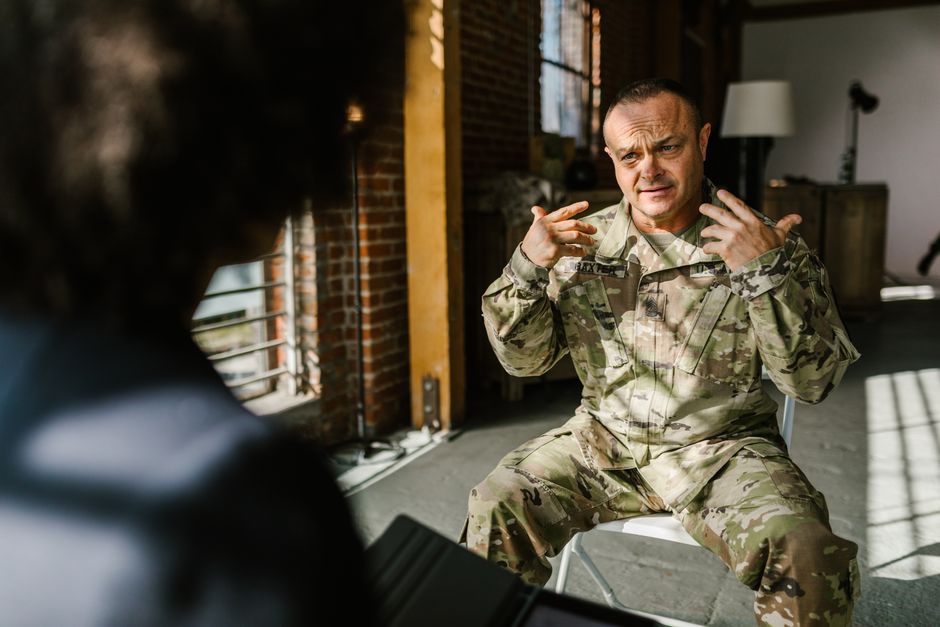
Post-traumatic stress disorder is not a life sentence. Many people who develop PTSD improve with treatment, and some recover fully. Recovery usually means trauma-focused therapy, sometimes combined with medication, and it often takes months rather than weeks. The timeline varies widely from person to person.
What Actually Happens in the Brain With PTSD?
PTSD develops when the brain’s threat system gets stuck in the “on” position. This is not a character flaw or a sign of weakness. It is a measurable change in how certain brain circuits respond to reminders of danger.
Two structures matter most here. The amygdala acts like an alarm system. In PTSD, it becomes overreactive to anything resembling the original threat. The prefrontal cortex, which normally helps put the brakes on fear responses, becomes less effective at doing so. Meanwhile, the hippocampus — involved in distinguishing past from present and in storing context — can function differently, which may contribute to memories that feel like they are happening right now rather than in the past.
This combination helps explain the core symptoms. Intrusive memories and flashbacks happen because the brain tags trauma reminders as current danger. Avoidance develops because avoiding triggers temporarily reduces distress. Hypervigilance and sleep problems reflect an alarm system that will not stand down.
It is worth knowing that these brain changes are not permanent in most cases. Research using brain imaging has found that successful treatment can be associated with changes in how these circuits function. The brain retains the capacity to relearn safety.
What Are the Core Symptoms of PTSD?
PTSD is diagnosed based on a specific set of symptom clusters. These are defined in the Diagnostic and Statistical Manual of Mental Disorders, Fifth Edition (DSM-5), which is the standard reference used in US clinical practice. Symptoms must last more than one month and cause significant distress or problems functioning.
The four main clusters are:
- Intrusion symptoms — unwanted memories, nightmares, flashbacks, or intense distress when reminded of the event
- Avoidance — avoiding places, people, conversations, or situations that bring up the trauma
- Negative changes in thoughts and mood — persistent negative beliefs about oneself or the world, blame, estrangement, loss of interest, or difficulty feeling positive emotions
- Changes in arousal and reactivity — irritability, hypervigilance, startle responses, concentration problems, or sleep disturbance
Symptoms can appear immediately after a traumatic event or be delayed for months. Many people experience some stress reactions in the days and weeks after trauma that resolve on their own. A diagnosis of PTSD requires that symptoms persist beyond one month.
Some people also experience dissociation — feeling detached from their body or surroundings. This is recognized as a specifier in the diagnosis and may affect treatment choices.
How To Heal From PTSD: Symptoms, Treatments, and Timeline
Healing from PTSD usually involves some form of structured psychological therapy. For many people, this means therapy that directly addresses the traumatic memory rather than avoiding it. The evidence base for trauma-focused therapies is substantial, and several approaches have been studied in randomized controlled trials.
Trauma-focused cognitive behavioral therapy (TF-CBT) includes prolonged exposure therapy and cognitive processing therapy. Prolonged exposure involves gradually approaching feared memories and situations in a controlled way. Cognitive processing therapy focuses on identifying and changing unhelpful beliefs that developed after the trauma. Both have strong research support.
EMDR (Eye Movement Desensitization and Reprocessing) is another approach with research support. Some researchers debate whether the eye movement component itself is essential or whether the benefit comes from the structured recall and processing that happens during sessions. Either way, EMDR has been studied in clinical trials and is included in several major treatment guidelines.
Medications can also play a role. Certain antidepressants — particularly SSRIs — are approved by the FDA for PTSD and can reduce symptoms. They are often used alongside therapy rather than instead of it. Medication may be especially helpful when symptoms are severe, when therapy is not immediately available, or when co-occurring depression or anxiety is present.
What does not have strong evidence as a primary PTSD treatment: benzodiazepines (often prescribed for anxiety but not recommended for PTSD due to limited benefit and potential for dependence), and cannabis or CBD products, which lack adequate clinical trial data for PTSD treatment.
What the Treatment Timeline Looks Like
There is no single timeline. Some people notice meaningful improvement within a few weeks of starting trauma-focused therapy. For others, it takes several months. Standard treatment protocols for prolonged exposure and cognitive processing therapy typically run about 8 to 15 sessions, though this varies based on the person and the complexity of their situation.
Some people need longer-term treatment, especially when the trauma was prolonged or repeated, when it occurred in childhood, or when there are co-occurring conditions.
Recovery is often not linear. It is common for symptoms to fluctuate. A stressful life event, a new reminder, or even a change in routine can temporarily increase symptoms. This does not mean treatment has failed.





Can PTSD Go Away on Its Own?
Some people do recover from PTSD without formal treatment. Research on trauma survivors shows that a portion of people experience natural improvement over time, particularly in the first year after a traumatic event.
However, for people whose symptoms have persisted for months, the likelihood of spontaneous full recovery decreases. PTSD that goes untreated can last for years and is associated with increased risk of depression, substance use problems, and physical health conditions.
This does not mean everyone needs intensive treatment immediately. It does mean that waiting indefinitely is not a neutral choice. If symptoms are still significant after a month or more, talking to a healthcare provider is a reasonable step.
What Makes Recovery Faster or Slower?
Several factors influence how quickly someone improves with treatment. These are not predictions — they are patterns observed across groups of people.
Factors generally associated with better outcomes include:
- Starting treatment sooner after symptoms develop
- Having strong social support
- Being able to stay engaged with therapy, including the difficult parts
- Not having severe co-occurring conditions like untreated depression or active substance use
Factors that can make recovery more complicated include:
- Multiple or repeated traumas, especially in childhood
- Ongoing danger or instability in a person’s current life
- Severe dissociation
- Co-occurring chronic pain, traumatic brain injury, or other medical conditions
None of these factors make recovery impossible. They affect pacing and sometimes the type or intensity of treatment that works best.
What Should Someone Do First?
The first step is usually talking to a healthcare provider — a primary care doctor, psychiatrist, psychologist, or licensed therapist. They can help clarify whether symptoms meet criteria for PTSD, rule out other conditions that can look similar, and discuss treatment options.
It is worth knowing that not all therapists have training in trauma-focused treatments. If someone is seeking PTSD-specific therapy, it is reasonable to ask directly whether the therapist has training and experience in evidence-based approaches like prolonged exposure, cognitive processing therapy, or EMDR.
For anyone in crisis or having thoughts of self-harm, contact the 988 Suicide and Crisis Lifeline by calling or texting 988. This is available 24 hours a day in the US.
Healing from PTSD is possible. It usually requires treatment, it often takes time, and it rarely follows a straight line. But the evidence is clear that trauma-focused therapy helps many people get better.
Frequently Asked Questions
How long does PTSD take to heal?
There is no fixed timeline, but many people notice improvement within weeks to months of starting trauma-focused therapy. Standard treatment protocols often involve 8 to 15 sessions, though some people need longer.
Can PTSD be cured completely?
Some people recover fully and no longer meet diagnostic criteria after treatment. Others improve significantly but may still experience some symptoms during stressful periods.
What is the most effective treatment for PTSD?
Trauma-focused therapies such as prolonged exposure, cognitive processing therapy, and EMDR have the strongest research support. Certain antidepressants are also FDA-approved and can be used alongside therapy.
Is PTSD a permanent condition?
No. PTSD is treatable, and many people improve substantially or recover fully with appropriate care. Untreated PTSD is more likely to persist, which is why early treatment is generally recommended.
