
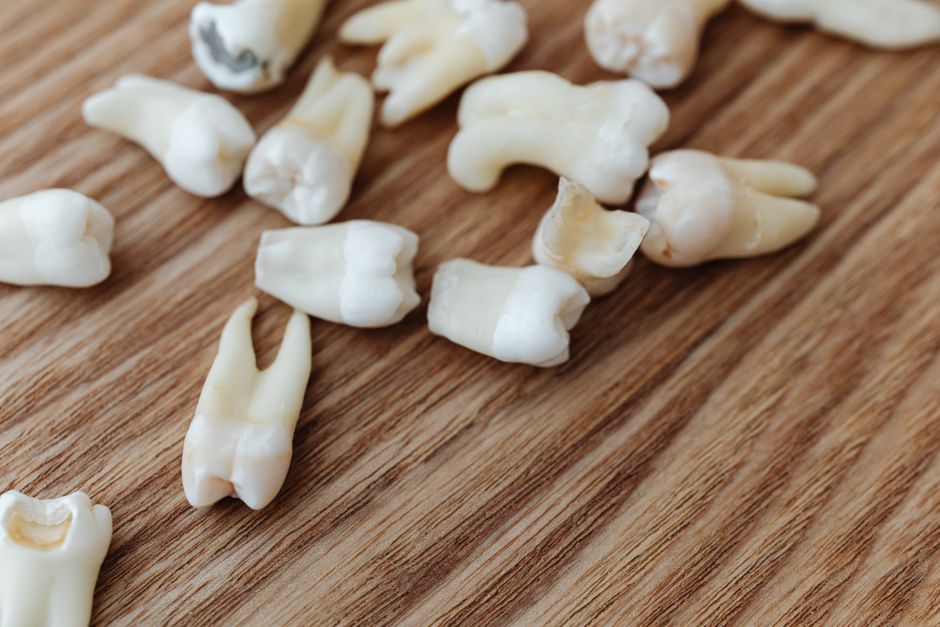
Dental caries, commonly known as cavities or tooth decay, cannot heal on their own once a cavity has formed. However, the earliest stage of tooth decay—called demineralization—can be reversed with the right care, including fluoride, good oral hygiene, and dietary changes. The key is catching the damage before it breaks through the enamel, because a true cavity requires professional dental treatment to restore the tooth.
What Is Dental Caries and How Does It Develop?
Dental caries is an infectious disease caused by bacteria in the mouth. These bacteria feed on sugars from the food you eat and produce acids as a byproduct. Over time, those acids dissolve the minerals in your tooth enamel, which is the hard outer layer of the tooth.
This process is not instant. It happens over weeks and months. When acid attacks the enamel, minerals like calcium and phosphate leave the tooth. This is called demineralization. Your saliva normally works to put those minerals back, a process called remineralization. Caries develops when the acid attacks happen more often than your saliva can repair the damage.
If the mineral loss continues, the enamel weakens and eventually breaks down. Once that happens, a physical hole—the cavity—forms. At that point, the tooth cannot heal itself. The enamel is gone, and the damage requires a dentist to repair it with a filling or other restoration.
Can You Reverse Early Tooth Decay?
Yes, but only at the earliest stage. When decay is limited to the enamel and has not yet formed a cavity, it is possible to remineralize the tooth and stop the process. This stage is often called a “white spot lesion.” You may see a chalky white area on the tooth, which is a sign that minerals have been lost from that spot.
Fluoride is the most proven tool for reversing this early damage. Fluoride works in several ways. It strengthens the enamel, making it more resistant to acid. It also encourages remineralization, helping calcium and phosphate return to the tooth structure. In many cases, fluoride can halt early decay and even reverse the white spot damage.
Your saliva is also important. Saliva naturally washes away food particles, neutralizes acids, and delivers minerals to the teeth. People with dry mouth, a condition called xerostomia, have a much higher risk of caries because they lack this natural protection. If dry mouth is a factor, addressing its cause is part of managing decay risk.
How To Heal Dental Caries: What Actually Works
The phrase “healing” dental caries depends entirely on the stage of the disease. For early, non-cavitated lesions, the following steps are supported by dental research and clinical guidelines:
- Use fluoride toothpaste. Brushing twice a day with a toothpaste containing fluoride is the single most effective home measure for preventing and reversing early decay.
- Consider prescription-strength fluoride. If you have multiple early lesions or a high risk of cavities, your dentist may recommend a higher-concentration fluoride toothpaste or a fluoride varnish applied in the office.
- Limit sugar exposure. The bacteria that cause caries need sugar to produce acid. Reducing how often you eat sugary foods and drinks gives your teeth time to remineralize between meals.
- Chew sugar-free gum. Chewing gum stimulates saliva production, which helps neutralize acid and wash away food debris. Look for gum with xylitol, which some studies suggest may reduce cavity-causing bacteria.
- Keep up with professional care. Your dentist can detect early lesions before they become cavities and apply treatments like fluoride varnish or sealants to protect vulnerable teeth.
None of these steps will heal a cavity that has already formed. Once the enamel is broken and a hole exists, the tooth needs a filling. Delaying treatment allows the decay to spread deeper into the tooth, potentially reaching the pulp where the nerves and blood vessels live. That leads to pain, infection, and the need for more complex treatment like a root canal.




What Does Not Heal Cavities: Common Myths
Viral health trends often claim that cavities can be “remineralized” with diet alone, oil pulling, or special toothpastes. The evidence does not support these claims for established cavities.
Oil pulling, which involves swishing oil in the mouth for 15 to 20 minutes, has been studied for oral health. Some research suggests it may reduce plaque and bacteria, similar to a mouth rinse. However, no reliable study has shown that oil pulling can heal an existing cavity. It does not deliver minerals into the tooth structure, and it cannot repair enamel that has already broken down.
Dietary changes are genuinely important for preventing decay and supporting remineralization of early lesions. But no diet can restore enamel once a cavity has formed. The tooth is not like bone; it does not have living cells that can rebuild damaged tissue. Once enamel is lost, it is gone permanently.
Some toothpaste brands claim to “rebuild” enamel using ingredients like hydroxyapatite. Research on hydroxyapatite is promising for early remineralization, and some studies suggest it may be comparable to fluoride. However, this evidence is still emerging, and it does not apply to established cavities. No toothpaste ingredient can fill a physical hole in a tooth.
When Do You Need to See a Dentist?
You should see a dentist if you have any signs of decay, including tooth pain, sensitivity to hot or cold, visible holes, or dark spots on the teeth. Regular checkups are also essential because early decay often has no symptoms at all. Many cavities are found during routine exams and X-rays before the person feels anything.
There is no home treatment that can replace professional care for an established cavity. A dentist removes the decayed portion of the tooth and fills the space with a restorative material. This stops the infection from spreading and preserves the tooth structure. The longer you wait, the more damage occurs, and the more invasive the treatment becomes.
If you are unsure whether you have early decay or a true cavity, a dentist can tell you. They use visual examination, probing, and X-rays to determine the depth of the lesion. Based on that assessment, they can recommend either remineralization therapy or a filling.
How To Prevent Future Caries
Prevention is far more effective than treatment. The same measures that reverse early decay also prevent it from starting in the first place.
Brush twice a day with fluoride toothpaste. Floss or use interdental brushes daily to clean between teeth where cavities commonly form. Limit sugary snacks and drinks, especially between meals. If you consume sugary beverages, drink them with meals rather than sipping them throughout the day. Water with fluoride is also a proven preventive measure in many communities.
Dental sealants are another highly effective tool. These are thin plastic coatings applied to the chewing surfaces of the back teeth. They physically block bacteria and food from settling in the deep grooves where cavities often start. Sealants are commonly recommended for children and teens, but adults can benefit from them too if they have deep grooves in their molars.
Your individual risk matters. Some people are more prone to cavities because of genetics, saliva composition, existing restorations, or medical conditions. Your dentist can assess your risk and recommend a personalized prevention plan. This may include more frequent cleanings, prescription fluoride, or specific dietary advice.
Frequently Asked Questions
Can a cavity heal without a filling?
No, once a cavity has formed, it cannot heal without professional treatment. Only the earliest stage of decay, before a hole develops, can be reversed with fluoride and good oral care.
How long does it take to reverse early tooth decay?
Early remineralization can take several weeks to months of consistent care. The exact timeline depends on the severity of the lesion and how diligently you follow fluoride and dietary recommendations.
Does fluoride really heal cavities?
Fluoride can reverse early, non-cavitated decay by promoting remineralization, but it cannot repair a cavity that has already formed. For established cavities, a filling is required.
Can oil pulling get rid of cavities?
No, oil pulling has not been shown to heal cavities. Some research suggests it may reduce plaque bacteria, but it cannot restore enamel that has already broken down.
