
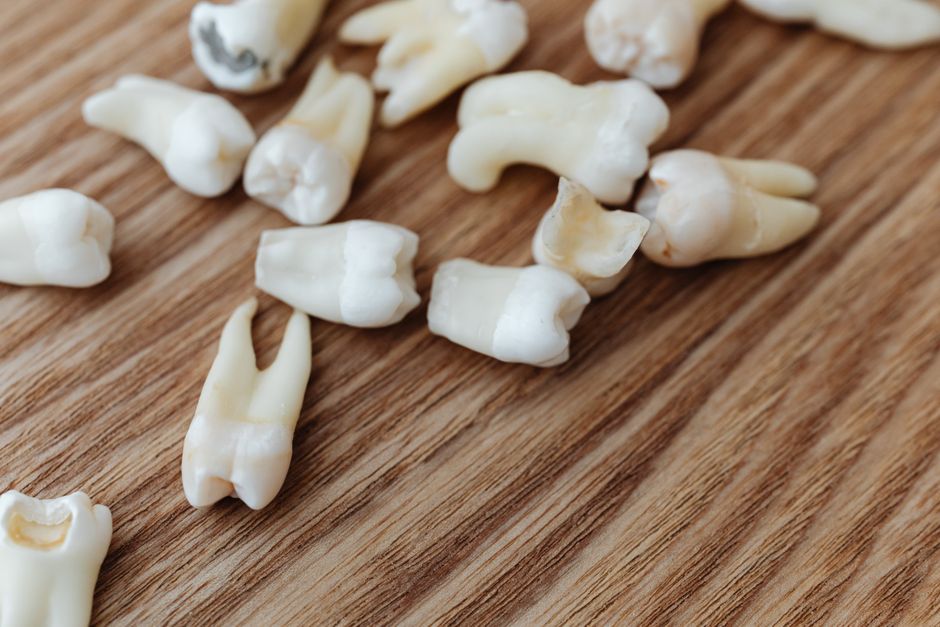
Tooth decay cannot be reversed once a cavity has physically formed in the enamel. However, the earliest stage of decay—called demineralization—can be stopped and even repaired naturally when caught before a hole develops. The fix relies on minerals, saliva, and removing the bacteria that cause acid, not on any single supplement or oil.
Can Tooth Decay Really Be Reversed?
Yes, but only at a specific stage. Your tooth enamel is made of minerals, mainly calcium and phosphate. Bacteria in your mouth feed on sugar and produce acid. That acid pulls minerals out of the enamel. This is called demineralization.
If the enamel has not yet broken, your body can put those minerals back. This process is called remineralization. Saliva carries the minerals. Fluoride helps speed the process up. Once the enamel physically breaks and a cavity forms, the tooth cannot heal itself. A dentist must remove the decay and fill the hole.
So the honest answer is this: you can fix the very beginning of decay at home, but you cannot fix an actual cavity with diet or supplements.
What Does Early Tooth Decay Look Like?
Early decay often appears as a white spot on the tooth. This is the first visible sign that minerals have been lost. The surface is still intact, but it is weak. At this point, the process can be reversed.
Once the decay turns brown or black, or you feel a hole with your tongue, the enamel has broken. That is a cavity. No natural remedy will close that hole. You need a dentist.
Pain is a late sign. If the tooth hurts, the decay has likely reached the dentin layer beneath the enamel. If the pain is severe or constant, the nerve may be involved. This requires professional treatment, not home care.
How To Fix Tooth Decay Naturally: The Remineralization Process
Reversing early decay requires three things: stopping the acid attack, supplying minerals, and giving the tooth time to rebuild. All three work together.
First, limit how often sugar touches your teeth. Every time you eat sugar, bacteria produce acid for about 20 to 30 minutes. If you snack all day, your teeth are under constant acid attack. The enamel never gets a chance to remineralize.
Second, keep saliva flowing. Saliva is your mouth’s natural repair system. It neutralizes acid and carries calcium and phosphate to the teeth. Dry mouth significantly raises decay risk. Chewing sugar-free gum after meals can help stimulate saliva.
Third, use fluoride. Fluoride is the most proven tool for remineralization. It gets absorbed into the enamel and makes it more resistant to future acid attacks. It also attracts calcium and phosphate from saliva. Most tap water in the US contains fluoride. Most toothpaste does too.
This process takes time. Remineralization is not overnight. It happens over weeks and months as the mineral balance in your mouth shifts toward repair.





What Foods Help Stop Early Decay?
Food choices matter, but not the way social media suggests. No food can reverse a cavity. Some foods do create conditions that help remineralization.
Dairy products like cheese and milk contain calcium and phosphate. Chewing cheese also stimulates saliva. Studies have shown that eating cheese after a meal raises the pH in the mouth quickly, which stops the acid attack.
Crunchy vegetables like carrots and celery require chewing. That chewing produces saliva. They also physically scrub the tooth surfaces, though not enough to replace brushing.
Foods high in sugar do the opposite. They feed the bacteria. Sticky foods like dried fruit and candy are worse because they stay on the teeth longer. Sugary drinks are also harmful because they bathe all teeth in sugar at once.
One important note: acidic foods like citrus and soda can weaken enamel directly. The acid erodes the surface even without bacteria. If you consume these, rinse your mouth with water afterward. Do not brush immediately. Brushing right after an acid exposure can scrub away softened enamel.
Do Natural Toothpaste and Oil Pulling Work?
Oil pulling has become popular as a natural remedy for tooth decay. The practice involves swishing coconut or sesame oil in your mouth for 10 to 20 minutes. The theory is that oil pulls bacteria away from the teeth.
Some research suggests oil pulling may reduce plaque and bacteria in the mouth. However, no clinical evidence shows that oil pulling can remineralize enamel or reverse decay. It does not provide minerals to the tooth. It does not replace brushing or fluoride. It may be a harmless addition to your routine, but it is not a treatment for decay.
Natural toothpastes without fluoride are a different issue. Many contain ingredients like charcoal, baking soda, or herbal extracts. Some may help remove surface stains. None have been shown to remineralize enamel as effectively as fluoride. If you choose a natural toothpaste, check whether it contains fluoride. Some natural brands do include it. If not, you are losing the most proven protection against decay.
Tooth decay is a bacterial infection, not a mineral deficiency. You cannot eat your way out of it. You cannot rinse it away with oil. You stop the bacteria, supply the minerals, and let the enamel heal itself.
When Do You Need To See a Dentist?
You need a dentist when the enamel has broken. White spots can be watched and treated at home. Anything beyond that needs professional care.
See a dentist if you notice any of these signs:
- A visible hole or pit in the tooth
- Brown, black, or dark spots on the enamel
- Pain when eating something sweet, hot, or cold
- Toothache that does not go away
- Pain when biting down
Waiting does not help. Decay does not stop on its own. It continues deeper into the tooth. The longer you wait, the more invasive the treatment becomes. A small filling today is far better than a root canal or extraction later.
Dentists can also catch decay you cannot see. Many cavities start between teeth where no visual sign appears until they are advanced. Regular checkups with X-rays remain the best way to find decay early.
Can Fluoride Toothpaste Alone Fix Early Decay?
Fluoride toothpaste is the single most effective home tool for early decay, but it is not enough on its own. You need the other pieces too.
Brushing twice a day with fluoride toothpaste removes the bacterial film called plaque. It also delivers fluoride directly to the enamel. This is why dentists consistently recommend it.
But brushing cannot reach every surface perfectly. Flossing removes plaque between teeth where brushing misses. Without flossing, decay often starts in those tight spaces.
Diet also matters. You could brush perfectly and still get cavities if you consume sugar constantly. The bacteria will always win if you keep feeding them.
For some people, standard toothpaste is not enough. Your dentist may recommend a higher-strength fluoride toothpaste or an in-office fluoride treatment. This is common for people with dry mouth, deep grooves in their teeth, or a history of frequent cavities.
Frequently Asked Questions
Can tooth decay reverse itself without any treatment?
No. The earliest stage of decay can remineralize with good oral hygiene, fluoride, and diet changes, but it will not heal on its own if the acid attacks continue.
How long does it take to remineralize a tooth?
It typically takes weeks to months of consistent care for early decay to remineralize, and the process requires daily fluoride exposure and reduced sugar intake.
Does oil pulling cure cavities?
No clinical evidence shows that oil pulling can reverse or cure a cavity, and it cannot repair enamel that has already broken.
Can a cavity heal once it starts hurting?
No. Pain means the decay has reached deeper layers of the tooth, and that damage is permanent without professional dental treatment.
