
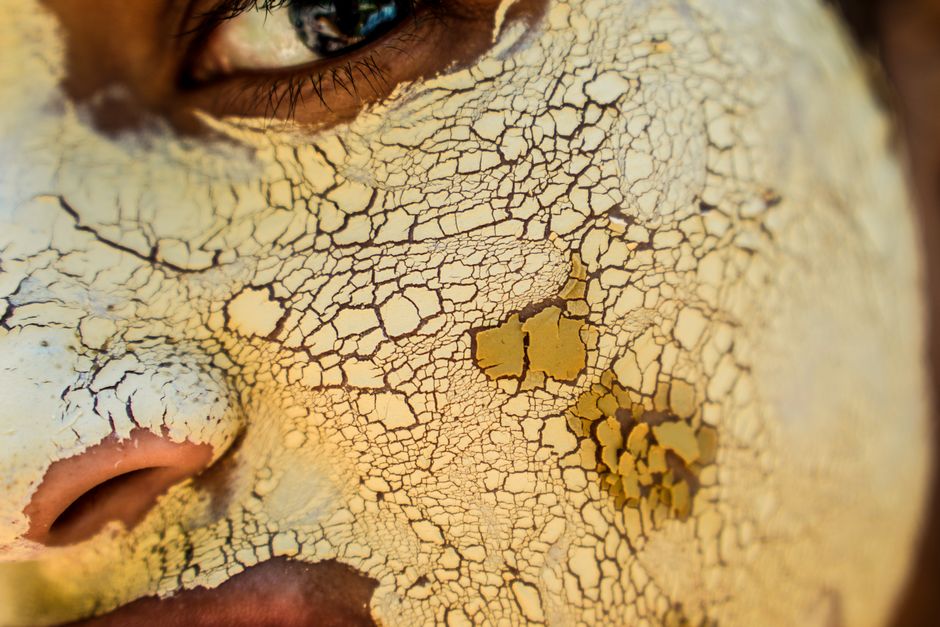
Cracked lips are painful, distracting, and surprisingly common. The good news is that most cases are not a medical problem. They are a skin problem caused by dryness, irritation, or environmental exposure. Healing them fast comes down to removing the trigger, restoring moisture, and letting the thin skin on your lips repair itself. For most people, that means a simple lip balm, better hydration, and a few days of patience. Here is what causes chapped lips and the fastest, most reliable ways to fix them.
Why Do Lips Crack in the First Place?
Your lips do not have oil glands like the rest of your skin. They also lack the thick outer layer that protects your arms, legs, and face from moisture loss. That makes the skin on your lips among the thinnest and most exposed skin on your entire body.
Because lips cannot produce their own oil, they depend entirely on outside moisture and protection. When that protection is missing, water evaporates from the lip surface faster than it can be replaced. The skin dries, tightens, and eventually splits. Wind, cold air, dry indoor heat, and sun exposure all speed up this moisture loss.
Licking your lips makes things worse. Saliva evaporates quickly and takes even more moisture with it. The digestive enzymes in saliva can also irritate the delicate skin. People who lick their lips repeatedly often end up in a cycle where the lips feel dry, so they lick them, which dries them out further.
What Are the Most Common Causes of Chapped Lips?
Environmental factors cause most cracked lips. Cold winter air holds very little moisture. Indoor heating dries the air further. Sun exposure damages lip skin just like it damages other skin, and wind strips moisture rapidly. These factors often combine in winter, which is why chapped lips peak in colder months.
Some habits and products also contribute. Breathing through your mouth while sleeping can dry lips overnight. Certain toothpastes contain ingredients that irritate sensitive lip skin. Spicy or salty foods can aggravate already-cracked skin. Some people develop a reaction to an ingredient in their lip balm, which keeps the lips inflamed no matter how often they apply it.
Dehydration plays a role for some people, though it is less common than people think. Your body prioritizes water for vital organs. By the time mild dehydration affects your lips, you would usually notice other signs like dark urine, fatigue, or a dry mouth first.
Certain medications list dry lips as a side effect. These include some acne treatments, diuretics, and antihistamines. If your lips started cracking after starting a new medication, that timing is worth mentioning to your doctor or pharmacist.
How To Heal Cracked Lips: Causes And Fast Fixes
Healing cracked lips requires two steps at once: stop whatever is damaging them and actively restore moisture. One without the other will not work well.
Start by removing irritants. If you habitually lick your lips, stop. If you use flavored lip balms, switch to a plain one. If a new lip product coincided with the cracking, discontinue it. Pay attention to whether your lips improve within a few days of removing a suspect product.
Then apply a barrier ointment. The most effective lip protectants are thick, occlusive ingredients that physically trap moisture against the skin. Petrolatum, which is the active ingredient in Vaseline and many generic products, is one of the most effective barriers available. It reduces water loss from the lips by more than 99 percent in controlled studies.
Beeswax and shea butter also form protective layers, though they are generally less occlusive than petrolatum. Products that combine a humectant like glycerin or hyaluronic acid with an occlusive layer work well because the humectant draws water in while the occlusive layer keeps it there.
Apply lip balm before going outside in cold or windy weather. Apply it again before bed. Overnight is when your skin repairs itself, and a thick layer of ointment supports that process. Some dermatologists recommend a product containing ceramides, which are naturally occurring fats that help restore the skin barrier.
Use sunscreen on your lips when you will be outdoors. Lip skin is just as vulnerable to sun damage as the rest of your face, and sunburned lips crack and peel. Look for a lip balm with SPF 30 or higher if sun exposure is part of your daily routine.
What Actually Works Fast — and What Does Not
Petrolatum-based products produce the most reliable and fastest results. They are inexpensive, widely available, and have decades of safety data behind them. Plain white petrolatum with no added fragrance, flavor, or color is the safest choice because added ingredients are the most common cause of allergic reactions.
Beeswax-based balms like Burt’s Bees work well for many people, though they may need more frequent reapplication than petrolatum. They form a decent barrier and do not have the shiny appearance some people dislike about petroleum jelly.
Products containing lanolin, such as Lansinoh nipple cream, are highly effective for severely cracked lips. Lanolin is a thick, natural oil that closely resembles human skin oils. It is commonly used by breastfeeding mothers for cracked nipples, and many dermatologists recommend it off-label for lips.
Avoid products that contain camphor, phenol, or menthol. These ingredients create a cooling sensation that feels soothing, but they can actually dry and irritate lip skin further. They are common in medicated lip balms, and they can make chapping worse over time.
Do not pick or peel loose skin from cracked lips. Peeling removes the protective layer of new skin underneath and delays healing. It also increases the risk of infection. Let loose skin fall off on its own, or gently exfoliate with a soft washcloth after a warm shower if it is bothersome.
Home Remedies: What the Evidence Says
Some home remedies genuinely help. Others are ineffective and can make things worse.
Honey has natural antibacterial and anti-inflammatory properties. Some research suggests it can help heal minor wounds, including cracked lips. Applying a thin layer of raw honey and leaving it on for 15 to 20 minutes before rinsing is a reasonable option, though it is messier than a standard lip balm.
Coconut oil and olive oil provide some moisture but are not strongly occlusive. They absorb quickly and do not form a lasting barrier. They can help mild dryness but are usually not enough for moderate to severe cracking. If you use them, follow with a petrolatum layer to seal in the moisture.
Aloe vera gel is soothing but not a strong moisturizer on its own. It may provide temporary relief from burning or stinging, but it does not prevent water loss effectively.
Do not put lemon juice, vinegar, or salt on cracked lips. These are acidic or abrasive and will irritate already-damaged skin. Do not apply toothpaste as a treatment. Toothpaste contains detergents and flavoring agents designed for teeth, not for sensitive lip skin.
When Cracked Lips Are a Sign of Something Else
Most cracked lips resolve within a week of consistent care. If they do not, or if they keep coming back, there may be an underlying cause.
Cheilitis is the medical term for lip inflammation. Angular cheilitis is a specific type that causes cracking and soreness at the corners of the mouth. It is often caused by a fungal or bacterial infection, especially in people who have dry skin, wear ill-fitting dentures, or have nutritional deficiencies. Angular cheilitis usually requires a medicated cream from a doctor rather than simple lip balm.
Allergic contact dermatitis can cause persistent lip cracking. It happens when your immune system reacts to an ingredient in a lip product, toothpaste, or even a food. Common culprits include fragrance, propolis (found in beeswax), and certain preservatives. If your lips are also red, swollen, or itchy, an allergy is possible.
Vitamin B deficiencies, particularly B2 (riboflavin) and B12, can contribute to cracked lips. This is uncommon in people who eat a varied diet, but it can occur in people with absorption problems, restrictive diets, or certain medical conditions.
Persistent cracking on one side of the lip, or cracking that bleeds and does not heal, warrants a medical evaluation. In rare cases, a non-healing sore on the lip can be a form of skin cancer. This is more common in people with significant sun exposure history, but anyone with a lip sore that does not heal within two to three weeks should have it checked.
How Long Does It Take for Cracked Lips to Heal?
Mild chapping usually improves within two to three days of consistent moisturizing. Moderate cracking typically takes about a week. Severe cracking with deep fissures or bleeding can take up to two to three weeks to fully heal.
Healing speed depends on how consistently you protect your lips and whether you stop the underlying cause. If you continue licking your lips or spending hours in dry, windy conditions without protection, healing will be slower. If you apply a petrolatum-based product several times a day and before bed, most lips will show noticeable improvement within 48 hours.
Lip skin regenerates faster than most other skin on your body. The entire outer layer of lip skin turns over roughly every three to five days. That rapid turnover is why lips can heal quickly once the right conditions are in place.
How To Prevent Cracked Lips Long Term
Prevention is simpler than treatment. Keep a lip balm accessible and use it before you feel dryness. By the time your lips feel tight, they have already lost significant moisture.
Use a humidifier in your bedroom during winter or in dry climates. Indoor humidity levels often drop below 30 percent in heated homes, which accelerates moisture loss from exposed skin. A humidifier can raise that to a more comfortable 40 to 50 percent.
Protect your lips from sun and wind just as you protect the rest of your face. Sun damage accumulates over decades and contributes to lip aging and, in some cases, skin cancer. A daily lip balm with SPF is a reasonable habit for anyone who spends time outdoors.
Stay hydrated, but do not expect water alone to fix cracked lips. Adequate hydration supports overall skin health, but topical protection is the primary factor in lip moisture. Drinking extra water will not compensate for hours in dry wind without lip balm.
Review your lip products periodically. If you have used the same balm for years and your lips are chronically dry, try switching to a plain petrolatum product for two weeks. If your lips improve, something in your regular product was likely the problem.
Frequently Asked Questions
What is the fastest way to heal cracked lips?
Apply plain petrolatum (Vaseline) several times a day and a thick layer before bed. Stop licking your lips and avoid flavored or medicated balms that can cause irritation.
Why do my lips keep cracking no matter how much balm I use?
Something in your environment, a lip product, or a habit like lip licking is likely undoing your treatment. Try switching to a plain petrolatum product with no fragrance or flavor for two weeks and see if your lips improve.
Is Vaseline or beeswax better for chapped lips?
Petrolatum is more effective because it creates a stronger barrier that prevents water loss. Beeswax works for mild dryness but requires more frequent reapplication.
When should I see a doctor for cracked lips?
See a doctor if your lips do not improve after two to three weeks of consistent care, if cracking is only at the corners of your mouth, or if a sore bleeds and will not heal.
