
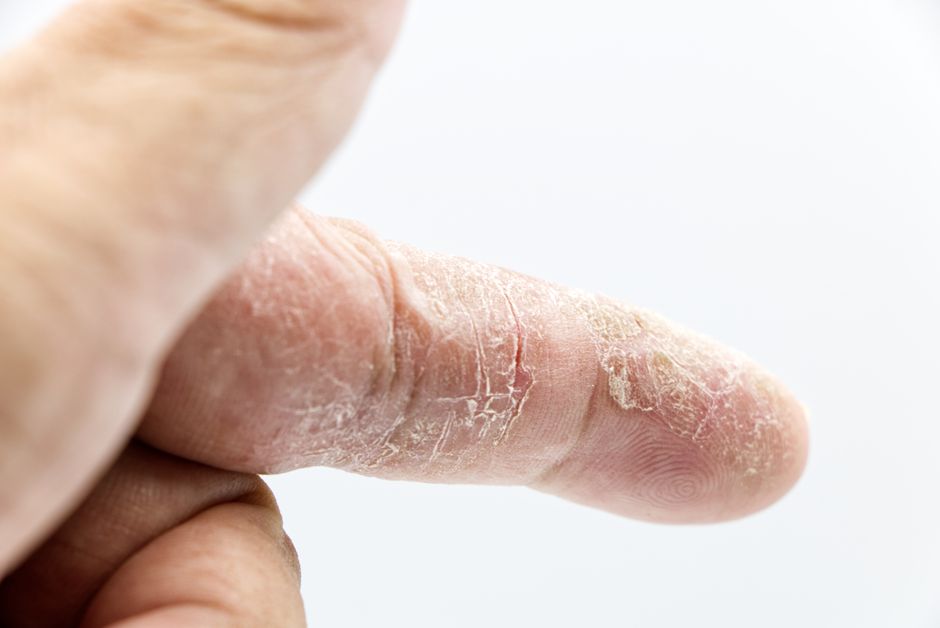
Cracked lip corners, medically known as angular cheilitis, are painful, red, and sometimes crusty splits at the edges of your mouth. You can often heal them at home by keeping the area clean and dry, applying a thick barrier ointment like petroleum jelly, and addressing the underlying cause—most commonly a fungal infection, a vitamin deficiency, or chronic lip licking. For fast relief, start treatment immediately with an over-the-counter antifungal cream if the corners look cracked and raw, and switch to a fragrance-free lip balm during the day.
What Actually Causes Cracked Lip Corners?
Angular cheilitis is not the same as chapped lips. Chapped lips affect the entire lip surface. Angular cheilitis is specific to the corners, and it happens because that area stays moist. Saliva collects in the corners of the mouth, and when it dries, it strips the skin of its natural oils. This creates a perfect environment for yeast or bacteria to grow.
The most common culprit is Candida albicans, a yeast that lives naturally in your mouth. When the skin at the corners breaks down, the yeast moves in and causes infection. Less often, bacteria such as staphylococcus are involved. Some people have both.
Other causes include a deficiency in iron, vitamin B12, or folate. Dentures that do not fit well can change the bite and cause saliva to pool in the corners. So can wearing a face mask for long hours, which traps moisture. In older adults, angular cheilitis often appears alongside denture-related issues. In younger people, it is frequently linked to lip licking or drooling during sleep.
How To Heal Cracked Lip Corners Fast At Home
Speed matters here because the longer the skin stays broken, the more likely the infection spreads. The fastest home protocol combines three actions: dry the area, treat the infection, and protect the skin.
First, stop licking your lips. This is the single most important step. Saliva makes the problem worse. Every time you lick, you re-wet the skin and add more digestive enzymes that break it down further.
Second, apply an over-the-counter antifungal cream. Clotrimazole cream, commonly sold as a generic or under brand names like Lotrimin, is effective against the yeast that causes most angular cheilitis. Apply it to the corners twice daily. If you also have a bacterial infection, the antifungal alone will not clear it, but antifungal treatment is the correct first step for most cases.
Third, seal the area with a thick barrier. Petroleum jelly is the gold standard here. It does not heal the skin directly, but it prevents moisture loss and keeps saliva away from the broken area. Apply a generous layer at night before bed. During the day, use a plain, fragrance-free lip balm.
Most mild cases improve within a few days of this routine. If you see no improvement after one week of consistent treatment, the cause may not be fungal, or the infection may be bacterial and require prescription treatment.
Which Home Remedies Actually Work?
Several home remedies circulate online. Some help. Some do not. Here is what the evidence supports.
Petroleum jelly works as a barrier. It does not kill yeast or bacteria, but it protects the skin while your immune system fights the infection. It is the most reliable option.
Coconut oil has mild antifungal properties in laboratory studies. Some people find it soothing. However, it is not as effective as clotrimazole for an active fungal infection. Use it only as a moisturizer, not as a treatment.
Tea tree oil is sometimes recommended. Do not use it. Tea tree oil is irritating to broken skin and can cause burning and worsening inflammation. No clinical evidence supports its use for angular cheilitis.
Honey has natural antibacterial properties. Manuka honey in particular has been studied for wound healing. It may help soothe the area, but it is sticky and can trap moisture, which is the opposite of what you want. If you use it, apply a thin layer and let it dry before adding petroleum jelly on top.
Aloe vera can calm irritation but does not treat the underlying infection. It is fine as a soothing agent, but it should not replace antifungal treatment.
Cold sores are sometimes confused with angular cheilitis. If you have small, fluid-filled blisters before the cracking appears, you likely have a cold sore caused by the herpes simplex virus. Cold sores require antiviral treatment, not antifungal cream. If you are unsure which you have, look for blisters. Angular cheilitis cracks without a blister stage.



When To See A Doctor
Home treatment works for many people, but not everyone. See a doctor if the cracks do not improve after one week of consistent antifungal and barrier treatment. See a doctor sooner if the area swells significantly, weeps yellow fluid, or develops a spreading redness beyond the corner of the mouth. These signs suggest a bacterial infection that may need prescription antibiotic ointment.
Recurrent angular cheilitis is also a reason to seek medical evaluation. If it keeps coming back, the cause may be nutritional. A simple blood test can check iron, vitamin B12, and folate levels. Low levels of any of these can cause the skin at the corners of the mouth to break down repeatedly.
In older adults, denture fit matters. If you wear dentures and get angular cheilitis repeatedly, see your dentist. Ill-fitting dentures change how your mouth closes, which traps saliva in the corners. Fixing the fit often fixes the cheilitis.
People with diabetes are more prone to angular cheilitis because high blood sugar promotes yeast growth. If you have diabetes and develop cracked lip corners that do not heal, this can also be a sign that your blood sugar control needs attention.
How To Prevent It From Coming Back
Prevention is mostly about breaking the moisture cycle. Keep the corners of your mouth dry during the day. After brushing your teeth, dry your mouth and the skin around it thoroughly. Apply a thin layer of petroleum jelly before bed to prevent saliva from pooling while you sleep.
If you wear a face mask for long periods, take breaks when safe to do so. The trapped moisture from breathing creates the same environment that causes angular cheilitis. Applying a barrier balm before putting on a mask can help.
Check your toothpaste. Some people are sensitive to sodium lauryl sulfate, a foaming agent in many toothpastes. It can irritate the skin around the mouth. Switching to a toothpaste without it is a reasonable step if you have recurring problems.
Address any nutritional gaps. Eating foods rich in iron, B12, and folate helps prevent deficiency-related angular cheilitis. Good sources include lean red meat, leafy greens, beans, and fortified cereals. If you are vegetarian or vegan, you may need to pay extra attention to B12, which is found almost exclusively in animal products.
What To Expect During Healing
Healing time depends on the cause and how quickly you start treatment. A mild case caused by dryness can improve in two to three days with consistent barrier protection. A fungal infection typically takes five to seven days of antifungal treatment to clear visibly. The skin may remain pink and slightly tender for a few more days after the infection resolves.
You should see improvement, not just no worsening, within the first few days. If the cracks look identical after a week, the treatment is not working. Do not keep applying the same cream indefinitely. Seek medical advice.
Scarring is uncommon in angular cheilitis. The skin in that area is thin and heals well when the infection clears. However, repeated cracking can lead to hyperpigmentation, where the skin at the corners becomes darker than the surrounding skin. This usually fades over time but can take weeks to months.
Frequently Asked Questions
Is cracked lip corners a vitamin deficiency?
Yes, it can be. Low iron, vitamin B12, or folate levels are linked to angular cheilitis. A blood test can confirm whether a deficiency is contributing.
Can I put hydrocortisone cream on cracked lip corners?
Hydrocortisone reduces inflammation but does not treat the infection. If the cause is fungal, hydrocortisone can actually make it worse by suppressing the immune response in the skin. Use an antifungal first.
Is angular cheilitis contagious?
The fungal form is not typically contagious. The bacterial form can be passed through direct contact, but this is uncommon in adults. It is not spread through casual contact like a cold sore is.
How long does angular cheilitis take to heal?
With proper treatment, most cases improve within one week. Mild cases from dryness can resolve in two to three days. If it lasts longer than a week without improvement, see a doctor.
