
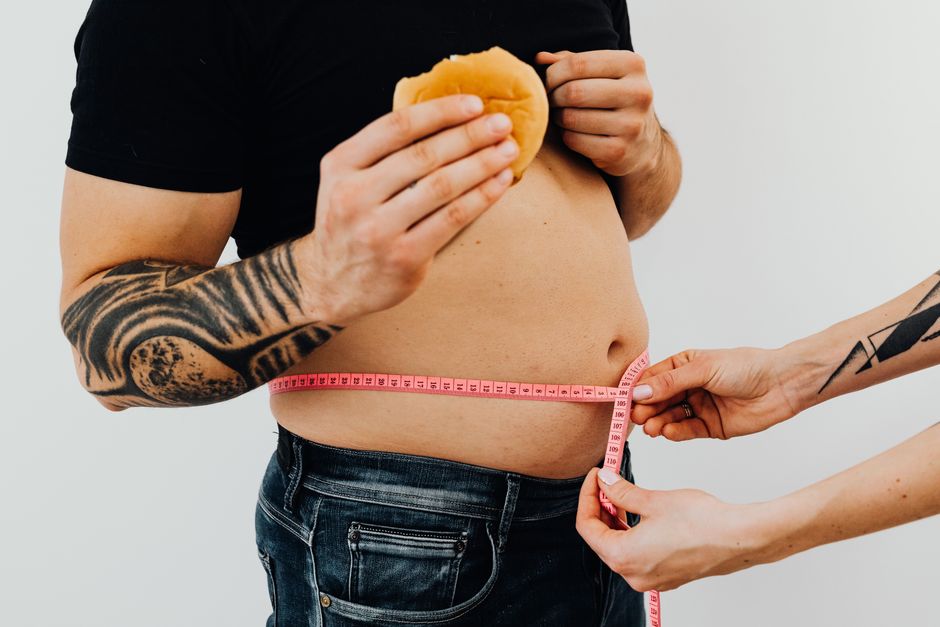
Intermittent fasting is one of the most popular weight loss methods today, but the “right” fasting length is often buried in marketing hype. The honest answer is that most clinical evidence points to a daily fasting window of 14 to 16 hours as the most practical and effective range for weight loss. Shorter fasts of 12 hours offer minimal benefit, while fasts extending beyond 24 hours do not produce superior fat loss and carry higher risks. The sweet spot for most people is a daily 16-hour fast, often called the 16:8 method, because it is sustainable and aligns with how your body naturally burns stored fat.
How Long To Fast For Weight Loss: The 16-Hour Standard
Research consistently shows that a 16-hour fasting window is the most commonly studied and effective daily approach. During the first 12 hours of fasting, your body primarily uses glycogen, which is stored sugar in the liver and muscles. After roughly 12 to 14 hours, glycogen stores become depleted, and your body shifts to burning stored fat for energy. This metabolic switch is why 16 hours is the benchmark—it gives your body enough time to enter fat-burning mode.
Studies have found that the 16:8 method produces meaningful weight loss over 8 to 12 weeks, typically reducing body weight by 2 to 4 percent. This is not dramatic weight loss, but it is steady and comparable to what people achieve with standard calorie restriction. The main advantage is adherence—most people find eating within an 8-hour window easier to maintain than counting calories every day.
What Happens To Your Body During A Fast
Understanding the physiology explains why fasting works. When you eat, insulin rises to help store nutrients. When you fast, insulin drops, and this signals your body to release stored fat as free fatty acids for energy. The liver also produces ketones, which are an alternative fuel source. These changes begin within hours of your last meal, but they become significant only after 12 hours.
By hour 16, most people have insulin levels low enough to maximize fat oxidation. By hour 24, ketone production peaks, but this does not mean longer fasts are better for weight loss. The body adapts by slowing metabolism slightly during extended fasts, which can offset some of the calorie deficit. This is why a 24-hour fast does not burn twice as much fat as a 16-hour fast—the body compensates.
Is 12 Hours Enough Or Too Short
A 12-hour fast, such as eating between 7 AM and 7 PM, is a good starting point but rarely produces significant weight loss on its own. This length is essentially what most people already do naturally if they skip late-night snacking. It provides some insulin-lowering benefit, but it does not reliably deplete glycogen stores enough to trigger substantial fat burning.
Twelve hours can work if you are combining it with a calorie deficit. The fasting itself is not magic—it is a tool to help you eat less. If you fast for 12 hours but still eat more calories than you burn, you will not lose weight. For most people, 14 hours is the minimum effective window, and 16 hours is the sweet spot. Some research suggests that even 14 hours improves metabolic health, but the weight loss effects are modest.





Do Longer Fasts Like 24 Or 48 Hours Work Better
No, longer fasts do not produce better weight loss outcomes. In fact, they often lead to muscle loss and metabolic slowdown. When you fast beyond 24 hours, your body begins breaking down muscle protein for energy, especially if you are not consuming enough protein during eating windows. This is counterproductive because muscle tissue burns more calories at rest than fat tissue.
Alternate-day fasting, where you eat normally one day and fast the next, has been studied extensively. It produces weight loss comparable to daily 16-hour fasting, but adherence is much lower. People find it harder to fast completely for 24 hours than to simply skip breakfast daily. The evidence is clear: consistency matters more than intensity. A 16-hour daily fast that you can maintain for months beats a 48-hour fast you can only do once a week.
How Many Days Per Week Should You Fast
For the 16:8 method, fasting every day is standard and safe for most healthy adults. This means you eat within the same 8-hour window daily, such as from noon to 8 PM. Some people prefer the 5:2 method, where you eat normally five days a week and restrict calories to about 500-600 on two non-consecutive days. Both approaches are effective, but daily 16-hour fasting is simpler to maintain because it becomes a routine rather than a weekly disruption.
There is no evidence that fasting fewer days per week is more beneficial. The key is creating a consistent weekly calorie deficit. If you fast for 16 hours on weekdays but eat freely on weekends, you may erase your progress. Research indicates that the total weekly calorie reduction, not the fasting schedule itself, is the primary driver of weight loss.
Who Should Not Fast And Safety Considerations
Intermittent fasting is not for everyone. People with diabetes who take insulin or sulfonylureas should not fast without medical supervision because of hypoglycemia risk. Pregnant and breastfeeding women, children, and people with a history of eating disorders should avoid fasting entirely. If you take blood pressure medication, fasting can cause blood pressure to drop too low, so discuss it with your doctor first.
Common side effects during the first week include hunger, headaches, and irritability. These usually resolve within 7 to 10 days as your body adapts. Staying hydrated and ensuring your eating window includes adequate protein and fiber reduces these symptoms. If you feel dizzy, faint, or severely fatigued, stop fasting and consult a healthcare provider. These symptoms may indicate your body is not tolerating the fast well, and no weight loss goal justifies ignoring them.
Does Meal Timing Within The Window Matter
What you eat during your eating window matters more than when you eat it. A 16-hour fast does not give you a license to eat unlimited processed food. Studies show that people who fast but consume a standard Western diet high in refined carbohydrates lose less weight than those who eat whole foods. Protein intake is especially important—aim for adequate protein at each meal to preserve muscle mass during weight loss.
Some research suggests that eating earlier in the day, such as a 10 AM to 6 PM window, aligns better with your circadian rhythm and may improve insulin sensitivity. However, the evidence is not strong enough to recommend one specific window over another. Choose a window that fits your social life and work schedule. The best fasting schedule is the one you can sustain long-term without feeling deprived.
Combining Fasting With Exercise
Exercising in a fasted state does not significantly increase fat loss compared to exercising after a meal. Your body will burn fat for fuel during fasted exercise, but the total daily fat loss is similar. What matters is that you exercise consistently and consume enough protein to support recovery. Some people feel lightheaded during fasted workouts, especially high-intensity training. If that happens, eat a small meal before exercise—the overall weight loss difference is negligible.
Resistance training is particularly important during intermittent fasting. It signals your body to preserve muscle mass, which helps maintain your metabolic rate. Research indicates that combining fasting with resistance training produces better body composition changes than fasting alone—you lose more fat and less muscle. This is a key point that many fasting advocates overlook.
How Long Until You See Results
Most people notice a decrease in bloating and water weight within the first week. This is not true fat loss—it is a reduction in water retention that happens when insulin levels drop. Actual fat loss becomes noticeable around week 3 to 4. A realistic expectation is 1 to 2 pounds per week, which is the same rate as standard calorie restriction. Some people lose more initially, but this is usually water weight that will not continue.
If you have not seen any weight change after 6 weeks of consistent 16-hour fasting, reassess your calorie intake during eating windows. Fasting does not override a calorie surplus. Many people unknowingly compensate by eating larger meals during their eating window, which negates the deficit created by skipping breakfast. Tracking your intake for a few days can reveal whether this is happening.
Frequently Asked Questions
Can I drink coffee while fasting?
Yes, black coffee and unsweetened tea do not break a fast. Adding sugar, cream, or milk adds calories and will disrupt the fasting state.
Will fasting slow down my metabolism?
Short daily fasts of 16 hours do not slow metabolism. Extended fasts beyond 48 hours can reduce metabolic rate, which is why they are not recommended for weight loss.
Is it better to fast in the morning or evening?
No strong evidence favors one over the other. Choose a schedule that fits your lifestyle and that you can maintain consistently.
Can I take medications while fasting?
You can take medications with water, but some medications require food. Check with your doctor or pharmacist about each specific medication.
