
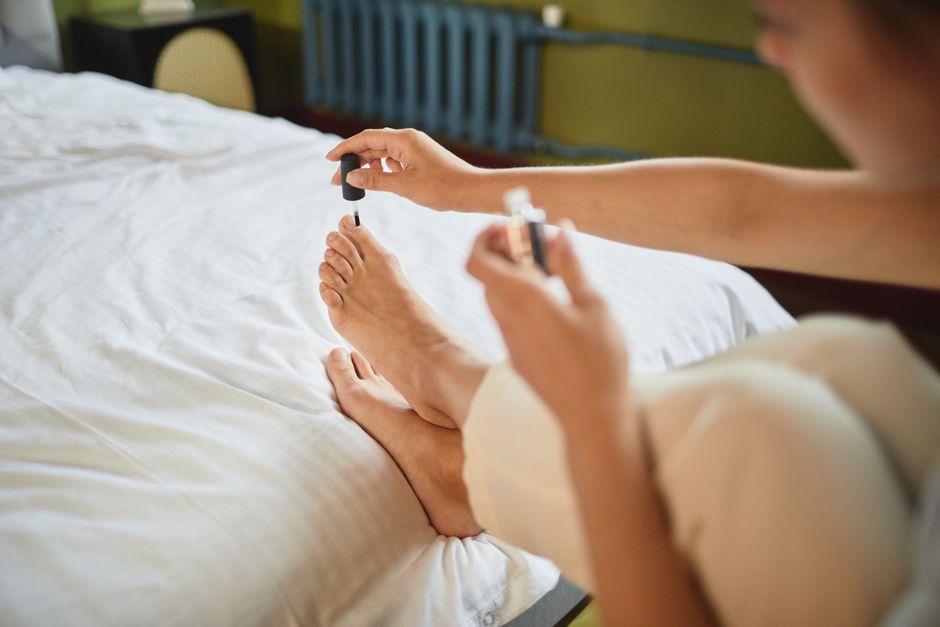
Healing a nail bed injury at home starts with stopping any bleeding, cleaning the wound gently with soap and water, and keeping the area dry and protected for the first 48 hours. Most nail bed injuries heal on their own within 4 to 6 weeks if you keep pressure off the nail and watch for signs of infection. The key is to let the nail grow out naturally while protecting the tender skin underneath from further damage.
What Is a Nail Bed Injury and How Does It Happen?
A nail bed injury means damage to the soft tissue directly under your fingernail or toenail. This is the pink area you see through a healthy nail. It is full of tiny blood vessels and nerves, which makes it sensitive and quick to bleed when injured.
Common causes include slamming a finger in a door, dropping something heavy on your toe, or jamming a finger during sports. The injury can range from a small bruise under the nail to a complete split or detachment of the nail from the bed. According to the American Academy of Dermatology, most nail bed injuries in adults happen to the fingers rather than toes, with the thumb and index finger being most common.
What many people do not realize is that the nail bed is what actually grows your nail. Damage to this area can affect how your nail looks for months as it regrows. The injury itself heals in weeks, but a completely new nail takes 6 to 12 months to grow back fully.
What Should You Do Immediately After a Nail Bed Injury?
First, stay calm and look at the injury. If there is active bleeding, apply firm pressure with a clean cloth or gauze for 10 to 15 minutes without lifting it to check. Lifting too early can restart the bleeding.
Once bleeding stops, wash the area gently with mild soap and cool water. Do not scrub. Just let the water run over it. Pat dry with a clean towel. Apply a thin layer of antibiotic ointment if you have it, though plain petroleum jelly also works to keep the wound moist and protected.
Cover the injury with a sterile bandage or gauze. Change the dressing once a day or anytime it gets wet or dirty. Keep the injured hand or foot elevated above heart level for the first 24 hours to reduce swelling. Ice wrapped in a cloth can also help — apply for 15 minutes on, 15 minutes off during the first day.
Important warning: If the nail is completely detached or hanging loose, do not pull it off yourself. Leave that to a doctor. A partially detached nail may need professional removal to prevent further damage to the nail bed underneath.
How To Heal A Nail Bed Injury Home Care Tips That Actually Work
Home care for nail bed injuries is straightforward but requires consistency. The most effective tips are backed by what dermatologists and hand surgeons have known for years.
Keep it dry for 48 hours. Moisture is the enemy of healing in the first two days. Wear a glove when washing dishes or showering. Use a plastic bag secured with a rubber band if you do not have waterproof gloves. After 48 hours, brief exposure to water during showers is fine, but pat the area dry immediately afterward.
Change dressings daily. A fresh bandage every day prevents bacteria from building up. If the bandage sticks to the wound, soak it in warm water for a few minutes before removing. Pulling a stuck bandage off can tear the healing nail bed.
Protect the area from pressure. Avoid using the injured finger for gripping or typing for the first week. If the injury is on your toe, wear open-toed shoes or sandals. Pressure on a healing nail bed can cause blood to pool under the nail, which is painful and slows recovery.
Watch for signs of infection. Redness spreading beyond the injury site, increasing pain after the first two days, pus, or fever all require medical attention. The CDC notes that nail bed infections can spread to the bone if ignored.
One non-obvious tip is to trim the nail back only if it catches on clothing. A jagged edge that keeps snagging can pull the nail away from the bed. Use clean nail clippers and cut straight across. Do not rip or bite the nail off.
What Does the Research Say About Nail Bed Healing?
Research published in the Journal of Hand Surgery shows that most simple nail bed injuries heal well without surgery when basic wound care is followed. The study followed 200 patients and found that 85 percent had full nail regrowth within 6 months when they kept the wound clean and protected.
However, research also shows that injuries involving a cut across the nail bed or a crushed fingertip have higher complication rates. A 2021 review in Plastic and Reconstructive Surgery found that these deeper injuries often need stitches or nail bed repair by a specialist to prevent permanent nail deformity.
Evidence indicates that soaking the injured nail in warm water with Epsom salt is not supported by clinical studies. Some people report it feels soothing, but there is no evidence it speeds healing or prevents infection. Plain warm water rinses are equally effective.
One clarification worth making: many online sources claim that vitamin E oil or tea tree oil helps nail bed injuries heal faster. As of 2026, there is no clinical evidence that any topical oil improves nail bed healing compared to simple petroleum jelly. The risk of irritation from essential oils may actually delay healing.
Home Care vs. When You Need a Doctor
Most nail bed injuries can be handled at home, but knowing the boundary is important. The American Society for Surgery of the Hand provides clear guidelines on when to seek medical care.
See a doctor if any of these apply:
- The nail is completely detached or hanging by one edge
- The fingertip or toe looks misshapen or deformed
- The injury involves a deep cut that may need stitches
- Blood covers more than half the nail surface
- The pain is severe and does not improve with ice and elevation
- You see signs of infection after 48 hours
One situation people often get wrong is a subungual hematoma — that dark pool of blood under the nail. If it covers less than 25 percent of the nail and does not throb, it usually resolves on its own. If it covers more than 50 percent or causes intense pressure pain, a doctor can drain it with a small hole. This procedure is called trephination and provides immediate relief. Do not try to drain it yourself with a hot paperclip or needle. This carries a real risk of infection and further damage.
For children with nail bed injuries, the threshold for seeing a doctor is lower. Children’s nail beds are still developing, and an untreated injury can affect future nail growth. The American Academy of Pediatrics recommends that any nail bed injury in a child that involves the nail separating from the bed be evaluated by a healthcare provider.
| Injury Type | Home Care Possible? | Doctor Needed? |
|---|---|---|
| Small bruise under nail (less than 25%) | Yes | No |
| Large blood blister (over 50%) | No | Yes, for drainage |
| Nail partially detached | No | Yes, for evaluation |
| Deep cut across nail bed | No | Yes, for stitches |
| Crushed fingertip | No | Yes, for X-ray |
| Simple jammed finger with no blood | Yes | No |
What to Avoid During Nail Bed Healing
There are several common mistakes that slow healing or cause complications. Avoid these things during the recovery period.
Do not wear nail polish or artificial nails. Any coating on the nail traps moisture and bacteria underneath. It also prevents you from seeing changes in color or swelling that signal infection. Wait until the nail has fully regrown before applying polish.
Do not pick at the nail. It is tempting to pull off a loose piece of nail, but this tears the nail bed and can cause permanent ridges or splitting. Let the nail detach naturally as the new nail grows in underneath.
Do not soak in hot tubs or public pools. The warm water in these environments harbors bacteria like Pseudomonas, which can infect a healing nail bed. Stick to quick showers until the skin under the nail has fully closed, which usually takes about two weeks.
Avoid tight shoes or gloves. Pressure on the injured nail bed can cause the nail to grow in wavy or thickened. If the injury is on your toe, wear shoes with a wide toe box. For finger injuries, avoid rings or tight gloves.
One thing that is widely claimed but not supported by evidence is that taking biotin supplements speeds nail regrowth after injury. Biotin helps with brittle nails in people who are deficient, but there is no research showing it accelerates healing of a damaged nail bed. A balanced diet with adequate protein is more important, since nails are made of keratin, a protein.
How Long Does Healing Take and What to Expect
The timeline for nail bed healing depends on the severity of the injury. Here is what you can generally expect based on clinical experience reported in dermatology literature.
First week: The area will be tender and swollen. The nail may look dark from bruising underneath. Keep it bandaged and dry. Pain should decrease significantly after 72 hours.
Weeks 2 to 4: Swelling goes down. If the nail was damaged, you may see a gap forming between the old nail and the new nail growing in from the base. The old nail may start to lift. This is normal. Do not pull it off.
Weeks 4 to 8: The old nail often falls off on its own or gets trimmed away as the new nail grows. The new nail may look thin, wavy, or have ridges at first. This improves over time.
Months 3 to 12: Full nail regrowth takes 6 months for fingernails and up to 12 months for toenails. The new nail may have a temporary white line across it from the injury. This grows out and eventually disappears.
If the nail grows back with a permanent split, ridge, or thickening, this can sometimes be corrected with a minor procedure by a dermatologist or hand surgeon. Most people, however, have satisfactory cosmetic results with home care alone.
Frequently Asked Questions
Can I shower with a nail bed injury?
Yes, after the first 48 hours you can shower briefly. Keep the bandage on or replace it immediately after drying the area.
Will my nail grow back normal after an injury?
In most cases yes, but it may take 6 to 12 months. The new nail might have ridges or a white line that grows out over time.
Should I drain blood from under my nail at home?
No. Draining it yourself with a hot needle or paperclip can cause infection. See a doctor if the blood covers more than half the nail or causes throbbing pain.
How do I know if my nail bed injury is infected?
Signs include increasing pain after two days, redness spreading around the nail, pus, or fever. See a doctor if any of these appear.
