
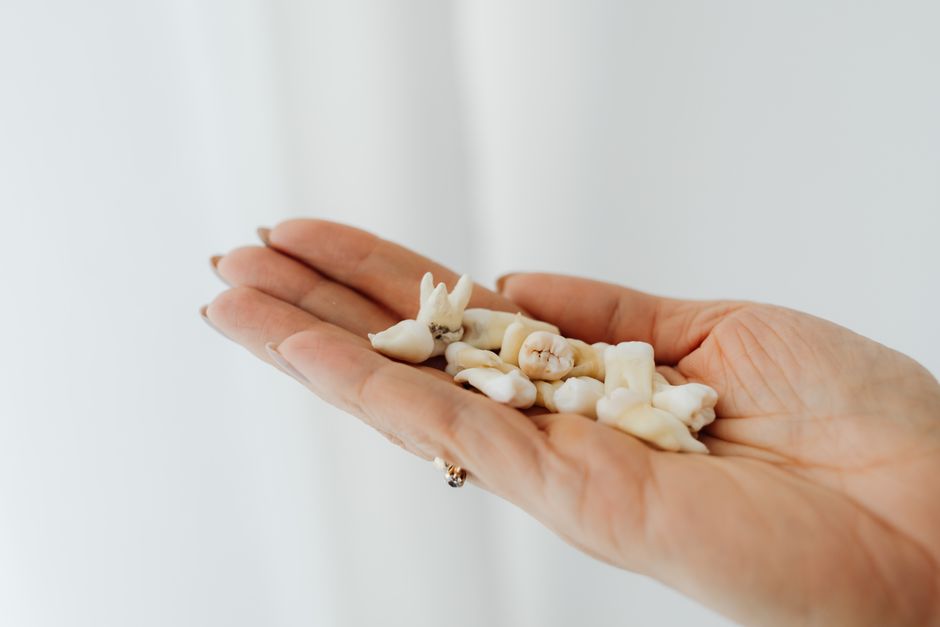
A loose tooth in an adult is not the same as a loose baby tooth. It will not fall out on its own to make room for a new one. In most cases, a loose tooth signals damage to the supporting tissues — the gums, ligaments, and bone that hold the tooth in place. This damage does not reverse without professional care. Seeing a dentist is the only reliable way to treat a loose tooth. Home remedies cannot restore lost bone or reattach ligaments. The cause must be identified and addressed, often with deep cleaning, medication, or surgery. Delaying treatment increases the risk of losing the tooth.
What Causes a Loose Tooth in Adults?
Gum disease is the most common cause. Periodontitis, the advanced form of gum disease, destroys the bone and connective tissue that support the teeth. Bacteria in plaque trigger inflammation that erodes these structures over time.
Other causes include:
- Injury or trauma — a fall, a blow to the face, or biting something hard can loosen a tooth.
- Bruxism — clenching or grinding teeth, often during sleep, puts excessive force on the teeth and can loosen them.
- Pregnancy — hormonal changes can temporarily loosen teeth by affecting the ligaments and blood flow. This usually resolves after birth.
- Osteoporosis — bone loss in the jaw can reduce support for teeth.
- Poor dental work — a filling, crown, or bridge that does not fit properly can put uneven pressure on a tooth.
Sometimes the cause is a combination of factors. Your dentist will examine the tooth and surrounding areas to determine what is happening.
Can a Loose Tooth Tighten Back Up?
It depends on the cause and how much damage has already occurred. If the problem is gum disease, treatment can stop further bone loss. The tooth may feel firmer after infection is controlled, but lost bone does not grow back. Some studies suggest that with early intervention, the supporting tissues can recover enough to stabilize the tooth.
If the looseness is from an injury, the tooth may tighten on its own if the damage is limited to the ligaments. This can take weeks to months. Your dentist may recommend splinting the tooth to neighboring teeth to keep it stable while it heals.
However, many cases require active treatment. Relying on home remedies such as rinsing with salt water or applying essential oils will not reattach ligaments or rebuild bone. These practices may reduce gum inflammation temporarily, but they cannot cure the underlying problem.
How To Heal A Loose Tooth And When To See A Dentist?
There is no at-home method that heals a loose tooth in the medical sense. The body cannot regenerate the bone or ligament that has been destroyed. The goal of treatment is to stop further damage, manage infection, and stabilize the tooth. This always requires a dentist.
See a dentist as soon as you notice a loose tooth. The earlier the cause is identified, the better the chances of saving it. If you have pain, bleeding, swelling, or the tooth moves noticeably, do not wait. These are signs that the supporting structures are actively being damaged.
Treatment options depend on the cause:
- For gum disease: deep cleaning (scaling and root planing) under local anesthesia to remove plaque and tartar below the gumline. Antibiotics may be prescribed.
- For injury: the tooth may be repositioned and splinted to adjacent teeth with a wire or composite material. A root canal might be needed if the nerve is damaged.
- For bruxism: a custom mouthguard worn at night can reduce pressure. Treating the underlying stress or sleep disorder may also help.
- For bite problems: your dentist may adjust the bite by reshaping the tooth or providing a crown.
If the looseness is severe or the bone loss is extensive, surgical procedures such as flap surgery, bone grafting, or guided tissue regeneration may be necessary. In some cases, the tooth cannot be saved and extraction is the only option. Your dentist will discuss the prognosis based on your specific situation.


Nonsurgical Treatments for Loose Teeth
When caught early, loose teeth can often be treated without surgery. The most common nonsurgical approach is scaling and root planing. This removes bacteria and tartar from deep pockets around the tooth. The gums can then reattach to the cleaned root surface, improving stability.
Your dentist may also recommend:
- Antibiotics — topical gels or oral antibiotics to control infection.
- Bite adjustment — smoothing high spots on the tooth so it meets evenly with the opposite tooth.
- Splinting — bonding the loose tooth to one or more stable teeth with a thin wire or composite material. This reduces movement while the supporting tissues heal.
These treatments are typically done in a dental office over one or more visits. Follow-up appointments are needed to monitor progress.
Surgical Treatments for Loose Teeth
If nonsurgical methods are not enough, surgery may be required. Common procedures include:
- Flap surgery — the gums are lifted back to expose the roots and bone. The dentist cleans deeply and then sutures the gums back into place.
- Bone grafting — bone from another source (synthetic, donor, or your own body) is placed in areas of bone loss to encourage new bone growth.
- Guided tissue regeneration — a membrane is placed between the gum tissue and bone to direct which cells grow in the area, favoring bone formation.
- Soft tissue grafts — gum tissue from the roof of your mouth is used to cover exposed roots and increase support.
These procedures are performed by a periodontist, a dentist who specializes in gum disease. Recovery times vary, but most people can return to normal activities within a few days.
How to Prevent Loose Teeth
Good oral hygiene is the most effective prevention. Brush twice a day with a fluoride toothpaste, floss daily, and see your dentist for regular cleanings and exams. Plaque control prevents the gum disease that destroys supporting bone.
Other preventive steps:
- If you grind your teeth, wear a mouthguard at night.
- Wear a mouthguard during contact sports or high-impact activities.
- Avoid using your teeth as tools to open packages or bite hard objects.
- If you smoke, quitting reduces your risk of gum disease.
- If you have osteoporosis, talk to your doctor about how it may affect your dental health. Some osteoporosis medications have been linked to jaw problems, though the risk is low.
Prevention is especially important because once bone is lost, it does not come back. A loose tooth is a warning sign that the damage is already occurring.
When Is It Too Late to Save a Loose Tooth?
A tooth can be saved when enough bone and ligament remain to provide support. Your dentist will measure the depth of the pockets around the tooth and take X-rays to assess bone levels. If more than half the bone around the tooth is lost, the prognosis is poor.
Other signs that a tooth may not be salvageable:
- It moves in more than one direction (side to side and up and down).
- There is a deep infection that does not respond to antibiotics.
- The tooth has a vertical root fracture.
- Advanced gum disease has caused significant mobility and gum recession.
In these cases, extraction may be the best option to prevent infection from spreading and to protect neighboring teeth. Your dentist can then discuss replacement options such as a dental implant, bridge, or partial denture.
Frequently Asked Questions
Can a loose tooth heal on its own?
No, a loose tooth in an adult cannot heal on its own. The underlying damage to bone or ligaments requires professional dental treatment.
What should I do if my tooth feels loose?
See a dentist as soon as possible. Avoid chewing on that side, and gently brush and floss around it to keep the area clean.
Is it normal for a tooth to be slightly loose?
No. A healthy adult tooth should not move at all. Any degree of looseness indicates a problem that needs evaluation.
Can gum disease cause a loose tooth?
Yes, periodontal disease is the most common cause of loose teeth in adults. It destroys the bone and connective tissue that support the tooth.
