
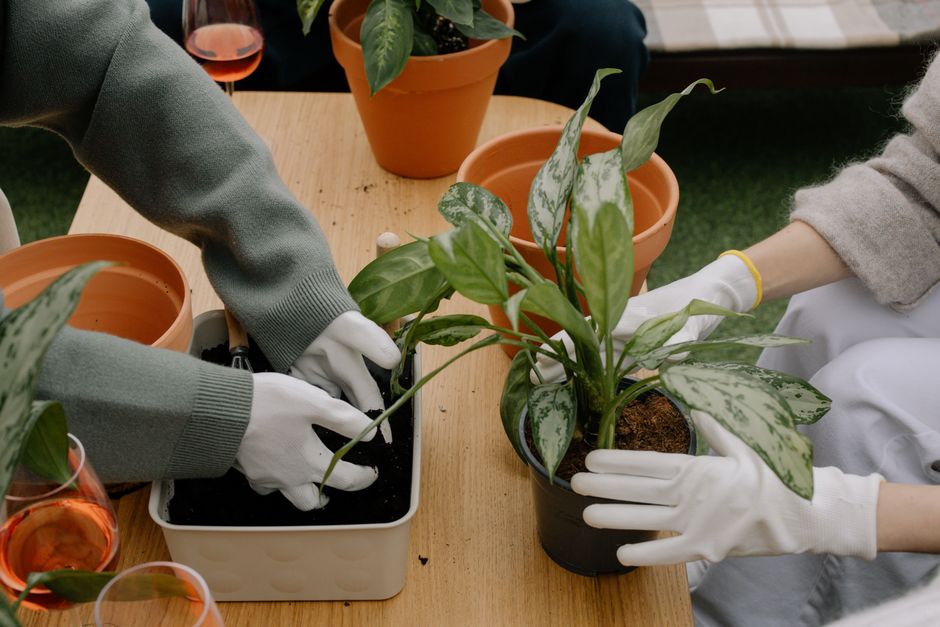
The Philodendron White Wizard is a striking houseplant with dark green leaves splashed with white variegation. It is not a magical plant, but its care does follow a few clear rules. To keep it healthy, give it bright, indirect light, water it when the top inch of soil is dry, and keep it in a warm, humid spot. Consistent care matters more than any special trick.
What Is A Philodendron White Wizard?
The White Wizard is a cultivar of Philodendron erubescens. It is often confused with the White Knight and White Princess, which are similar but distinct varieties. The White Wizard has white variegation on its leaves and stems, and its stems are typically green with white streaks rather than the burgundy or red tones seen on some relatives.
These plants are climbers by nature. In the wild, they grow up tree trunks, sending aerial roots into the bark. Indoors, they do best with a moss pole or trellis to climb. Without support, they may trail or grow more slowly, but they will usually survive.
The variegation comes from a genetic mutation that causes some cells to lack chlorophyll. Those white areas cannot photosynthesize, so the plant relies on its green sections for energy. This is why light levels matter so much for this plant.
How Much Light Does A White Wizard Need?
Bright, indirect light is the goal. A spot a few feet back from an east or west-facing window usually works well. A north-facing window may be too dim, and direct afternoon sun can scorch the leaves, especially the white parts.
The white sections of the leaves are more sensitive to burning than all-green leaves. They lack the protective pigments that handle intense light. If you notice brown, crispy patches on the white areas, the plant is likely getting too much direct sun.
If the plant produces mostly white leaves or grows very slowly, it may not be getting enough light. Low light also encourages the plant to produce more green, which is a survival response. More green means more photosynthesis, which means more energy for the plant.
Some growers use grow lights to supplement natural light, especially in winter. A standard LED grow light placed 12 to 18 inches above the plant works well for most homes. Leave it on for 10 to 12 hours a day.
How Often Should You Water A White Wizard?
Water when the top inch or two of soil feels dry. Stick your finger into the potting mix. If it feels dry at that depth, it is time to water. If it still feels damp, wait a few more days.
Overwatering is the most common cause of death for this plant. The roots need oxygen as much as they need water. Soggy soil suffocates the roots and leads to root rot, which is often fatal. Yellowing leaves, mushy stems, and a musty smell from the soil are warning signs.
Underwatering is less common but still possible. Wilting leaves and dry, crispy edges indicate the plant is too dry. The plant will usually recover from a missed watering, but it will not recover from root rot.
Water thoroughly when you do water. Pour until water runs out of the drainage holes, then empty the saucer. Never let the pot sit in standing water. This ensures the entire root ball gets moisture and prevents salt buildup from fertilizer.




What Soil And Potting Mix Should You Use?
A chunky, well-draining mix is essential. Standard potting soil holds too much water and compacts over time. A mix designed for aroids works well because it mimics the loose, airy conditions of the plant’s natural habitat.
A simple recipe is one part potting soil, one part perlite, and one part orchid bark. The perlite improves drainage, and the bark adds air pockets. This combination allows water to flow through while still retaining some moisture for the roots.
Choose a pot with drainage holes. A plastic or glazed ceramic pot retains moisture longer than terracotta, which is porous and dries out faster. The pot size matters too. A pot that is too large holds excess soil, which stays wet longer and increases the risk of root rot. Choose a pot only one or two inches larger than the root ball.
What Temperature And Humidity Does It Need?
The White Wizard is a tropical plant. It prefers temperatures between 65°F and 80°F. It will tolerate brief dips outside this range, but prolonged cold can damage the leaves and slow growth. Keep it away from drafty windows, air conditioning vents, and radiators.
Average household humidity of 40 to 50 percent is usually fine. The plant will grow faster and produce larger leaves with higher humidity, around 60 percent or more. Brown leaf tips and edges are a common sign of low humidity.
You can increase humidity with a pebble tray, a humidifier, or by grouping plants together. Misting provides only a temporary boost and does not meaningfully raise humidity around the plant. A humidifier is the most effective option if your home is dry.
Should You Fertilize A White Wizard?
Yes, but lightly. A balanced liquid fertilizer diluted to half strength works well. Apply it once a month during the growing season, which is spring and summer. Do not fertilize in fall and winter when growth slows.
Overfertilizing can burn the roots and cause leaf damage. White variegated plants are not heavy feeders. They need less fertilizer than all-green plants because they photosynthesize less and therefore use fewer nutrients.
If you repot into fresh soil, you do not need to fertilize for several months. The new soil already contains nutrients. Adding fertilizer on top of that can cause salt buildup, which shows up as brown leaf tips.
How Do You Propagate A White Wizard?
Stem cuttings are the most reliable method. Find a healthy stem with at least one node, which is the bump where leaves and roots emerge. Cut just below the node with clean, sharp scissors. The cutting should have at least one leaf.
Place the cutting in water or moist sphagnum moss. Roots usually appear within two to four weeks. Once the roots are a couple of inches long, transfer the cutting to soil. Keep the soil consistently moist for the first few weeks while the roots adjust.
Propagation is the best way to get more plants, but it also helps manage leggy growth. If your plant becomes tall and sparse, taking cuttings encourages new growth from the base.
Why Is My White Wizard Turning Brown Or Yellow?
Brown crispy edges usually mean too much light, low humidity, or inconsistent watering. Yellow leaves often mean overwatering. Check the soil moisture first and adjust your watering schedule. If the soil is soggy, let it dry out completely before watering again.
Brown spots on the white areas of the leaves are usually sunburn. Move the plant to a spot with less direct light. If only the lower leaves are yellowing, that is often normal aging. Older leaves eventually yellow and drop as the plant grows.
If the plant has mushy stems or a foul smell from the soil, root rot is likely. Remove the plant from the pot, trim away any black or mushy roots, and repot in fresh, dry mix. This is the only way to save a plant with advanced root rot.
How Do You Keep The Variegation White?
Variegation is genetic, but light and pruning influence how much white appears. Bright, indirect light encourages more white growth. Low light causes the plant to produce more green. There is no way to force variegation, but you can create conditions that support it.
Prune stems that produce all-green leaves if you want to encourage white growth. These green stems can take over the plant because they photosynthesize more efficiently. Cutting them back redirects energy to the variegated growth.
Be aware that variegation can be unstable. A plant may produce all-white leaves, which will eventually die because they cannot photosynthesize. This is normal. Do not remove the white leaves unless they are fully brown or dead. The plant can still use some of the energy from partially green leaves.
Is The White Wizard Toxic To Pets?
Yes. All Philodendrons contain calcium oxalate crystals, which are toxic to cats and dogs. If a pet chews on the leaves, it can cause drooling, vomiting, and difficulty swallowing. The crystals irritate the mouth and digestive tract.
Keep the plant out of reach of pets. If your pet eats part of the plant, contact your veterinarian. The symptoms are usually mild and self-limiting, but some animals have more severe reactions.
Frequently Asked Questions
Why are the white leaves on my White Wizard turning brown?
Brown spots on white leaves are usually sunburn or low humidity. Move the plant to brighter indirect light and increase humidity around it.
How fast does a Philodendron White Wizard grow?
It grows at a moderate pace, producing a few new leaves per month in ideal conditions. Growth slows significantly in winter or when light is low.
Can I grow a White Wizard in low light?
It will survive in low light but will grow slowly and may lose variegation. Bright indirect light is required for healthy growth and white leaf patterns.
Should I use a moss pole for my White Wizard?
Yes, a moss pole encourages larger leaves and natural climbing behavior. The aerial roots will grip the pole and support vertical growth.
