
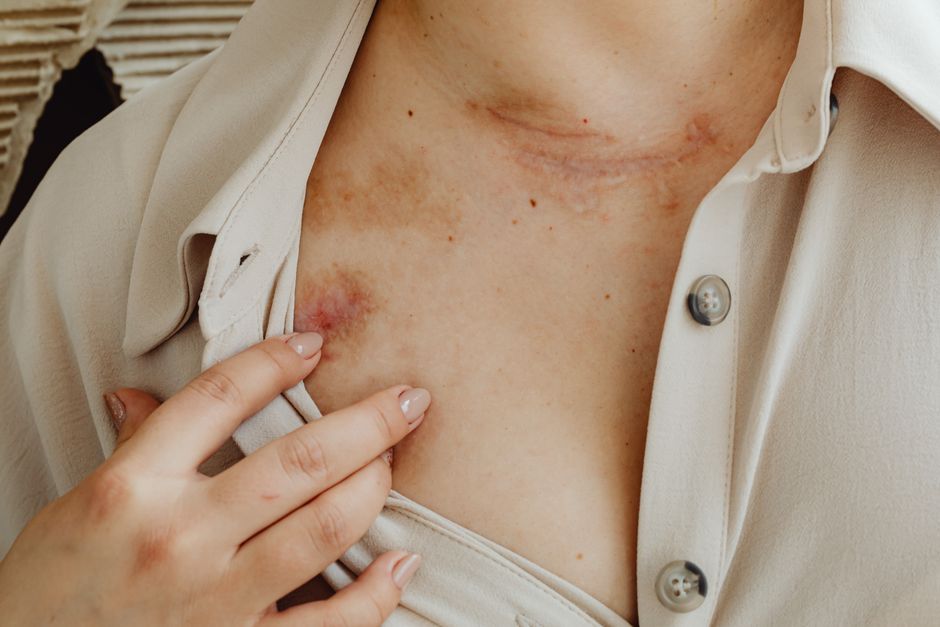
A chronic wound is one that fails to move through the normal stages of healing in an expected timeframe. Most clinicians define a wound as chronic when it has not healed after about 4 to 6 weeks of appropriate care, or when it shows no meaningful signs of closing after 3 weeks. Healing a chronic wound usually requires more than a dressing change. It takes finding and correcting the underlying cause, removing barriers to tissue repair, and using treatments matched to the specific wound type.
The treatments most likely to work are those that address why the wound stalled in the first place. That often means improving blood flow, taking pressure off the area, controlling blood sugar, treating infection, and cleaning away dead tissue. No single product heals a chronic wound on its own. The evidence consistently shows that wounds close fastest when the cause is corrected and local wound care supports the body’s own repair process.
What Actually Makes a Wound Chronic?
A wound becomes chronic when the normal sequence of healing gets stuck. Healing normally moves through four overlapping phases: stopping the bleeding, inflammation, new tissue growth, and remodeling. In a chronic wound, that process stalls, usually in the inflammation phase.
Instead of progressing, the wound stays inflamed. Cells that should be rebuilding tissue remain in a holding pattern. The wound bed fills with non-healing tissue, and the body never gets to the closing stage.
The reasons this happens are usually one or more of the following:
- Poor blood supply, so oxygen and nutrients cannot reach the tissue
- Continued pressure or friction on the same spot
- Infection or a buildup of bacteria that keeps inflammation switched on
- High blood sugar, which impairs many healing processes
- Dead tissue or debris in the wound that blocks new growth
- Conditions such as venous disease, diabetes, or immobility
The four most common types are pressure ulcers, diabetic foot ulcers, venous leg ulcers, and arterial ulcers. Each has a different cause, and each needs a different approach. Treating them all the same way is one of the most common reasons wounds fail to heal.
How To Heal A Chronic Wound Treatments That Work
The treatments with the strongest evidence share one feature: they correct the underlying problem rather than just covering the wound. A dressing alone rarely closes a chronic wound, because a dressing cannot fix poor circulation or relieve pressure.
Four categories of treatment have the most consistent support.
Removing dead tissue. This is called debridement. Dead and infected tissue slows healing and feeds bacteria. Removing it, by a clinician using tools, special dressings, or other methods, gives healthy tissue a chance to grow. Debridement is widely considered a cornerstone of chronic wound care.
Managing infection and bacterial load. All chronic wounds carry bacteria. The question is whether that bacteria is causing harm. Signs of infection include increasing pain, redness, warmth, swelling, foul odor, and pus. When infection is present, it needs to be treated, sometimes with antibiotics. Even without clear infection, reducing bacterial burden with appropriate cleansing and dressings can help.
Offloading and compression. For diabetic foot ulcers, taking weight off the wound is essential. For venous leg ulcers, compression therapy is the mainstay. These are not optional add-ons. A diabetic foot ulcer that keeps bearing weight, or a venous ulcer without compression, is unlikely to heal no matter what else is done.
Moist wound healing. Keeping the wound bed moist while protecting the surrounding skin supports cell movement and tissue repair. This is why modern dressings are chosen to match the wound, rather than left to dry out.
What does not reliably work on its own: leaving a wound open to the air, using random household remedies, or applying products with no evidence behind them. Some popular items marketed for wounds have no human studies showing they heal chronic wounds.
Which Treatments Have Real Evidence Behind Them?
Beyond the basics, several advanced treatments have been studied. The evidence is strongest for a few and weaker for others. It helps to know the difference.
Compression therapy for venous leg ulcers has strong evidence. It improves healing rates compared with no compression and is considered standard care for this wound type when circulation allows.
Offloading devices for diabetic foot ulcers also have strong evidence. Total contact casts and other offloading methods consistently outperform allowing the foot to bear weight.
Negative pressure wound therapy uses a sealed dressing and gentle suction to draw fluid away and encourage tissue growth. Evidence supports its use in some surgical and complex wounds. Its role in other chronic wounds is less clear.
Bioengineered skin substitutes and growth factor treatments have shown benefit in some studies for certain wound types, particularly diabetic foot ulcers. Results vary, and these are generally used when standard care has not worked.
Hyperbaric oxygen therapy involves breathing oxygen in a pressurized chamber. Evidence is mixed. It may help some specific wounds, such as certain diabetic foot ulcers, but it is not a general treatment for all chronic wounds.
When you hear that a product is “clinically proven,” ask what it was proven to do. Many products are tested for safety or for keeping a wound moist, not for actually closing wounds faster than standard care.





Why Some Wounds Never Heal
When a chronic wound will not close, the cause is usually still present. The most common reasons are poor blood flow that was never corrected, ongoing pressure or weight-bearing, untreated infection, or a wound type that was misidentified.
Blood flow deserves special attention. Tissue cannot repair itself without adequate circulation. If the arteries supplying a wound are narrowed, no dressing or ointment will overcome that. A clinician may check circulation using pulse checks, blood pressure measurements at the ankle, or imaging. Restoring blood flow, sometimes through surgery, can be the step that finally allows healing.
Another overlooked factor is the wound being the wrong diagnosis. An arterial ulcer and a venous ulcer can look similar but need opposite treatments. Compression helps venous ulcers but can harm an arterial ulcer with poor circulation. Getting the type right matters.
Nutrition also plays a role. The body needs protein, calories, vitamin C, and zinc to build new tissue. Poor nutrition is common in older adults and in people with chronic illness, and it can slow healing. A clinician or dietitian can assess whether intake is adequate.
What You Can Do Between Clinical Visits
Good wound care is not only what happens in a clinic. What happens the rest of the week often decides whether a wound heals.
- Keep weight off the wound if it is on a foot or lower leg, as instructed
- Wear compression as directed if you have a venous ulcer
- Keep blood sugar in the range your care team recommends if you have diabetes
- Protect the wound and surrounding skin from moisture, friction, and injury
- Eat enough protein and calories to support tissue repair
- Follow the dressing schedule exactly, since the wrong timing can undo progress
Know the warning signs that need prompt attention: increasing pain, spreading redness, fever, foul odor, or a wound that suddenly looks worse. These can signal a deepening infection that should not wait.
Do not apply products to a chronic wound without checking with your care team. Some substances that seem harmless can damage new tissue or irritate the skin. Even well-known antiseptics can be harmful to healing cells in certain concentrations, which is why clinician guidance matters.
How Long Does Healing Take?
Timelines vary widely, and no honest answer can promise a specific date. Healing depends on the wound type, its size and depth, the underlying cause, and how well that cause is controlled.
Some venous and diabetic ulcers close within a few months when treated properly. Others take much longer or need advanced treatments. Some never fully close, and the goal shifts to preventing infection and keeping the wound stable.
A reasonable way to judge progress is whether the wound is getting smaller over time. Wounds that are shrinking are usually on the right track. Wounds that stay the same size for several weeks despite good care often need a change in approach or a closer look at the underlying cause.
Measuring the wound regularly, by tracking its size and appearance, is one of the most practical ways to know if treatment is working. If it is not, the plan should change rather than continue unchanged.
When to Ask for a Specialist
Not every chronic wound needs a specialist, but some benefit from one. Consider asking for a referral if the wound has not improved after several weeks of good care, if the cause is unclear, if circulation is in question, or if the wound is very deep or shows signs of serious infection.
Wound care clinics bring together the tools and expertise to assess circulation, remove dead tissue, select dressings, and manage offloading or compression. For complex wounds, that coordinated approach often makes the difference.
The core message does not change. Chronic wounds heal when the cause is found and corrected, barriers are removed, and local care supports the body’s own repair. There is no single product that replaces that work.
Frequently Asked Questions
How long before a wound is considered chronic?
A wound is generally considered chronic when it has not healed after about 4 to 6 weeks of appropriate care. Some clinicians use a shorter marker of no progress after 3 weeks.
Can a chronic wound heal on its own without treatment?
Rarely, because chronic wounds have an underlying cause that keeps them stalled. Without correcting that cause, most will not close on their own.
What is the most important treatment for a chronic wound?
Correcting the underlying cause, such as poor circulation, pressure, or infection, is the most important step. Local wound care supports healing but cannot replace fixing the cause.
Are over-the-counter wound creams effective for chronic wounds?
No clinical evidence confirms that most over-the-counter creams heal chronic wounds. Some can irritate tissue or delay healing, so check with your care team before using them.
