
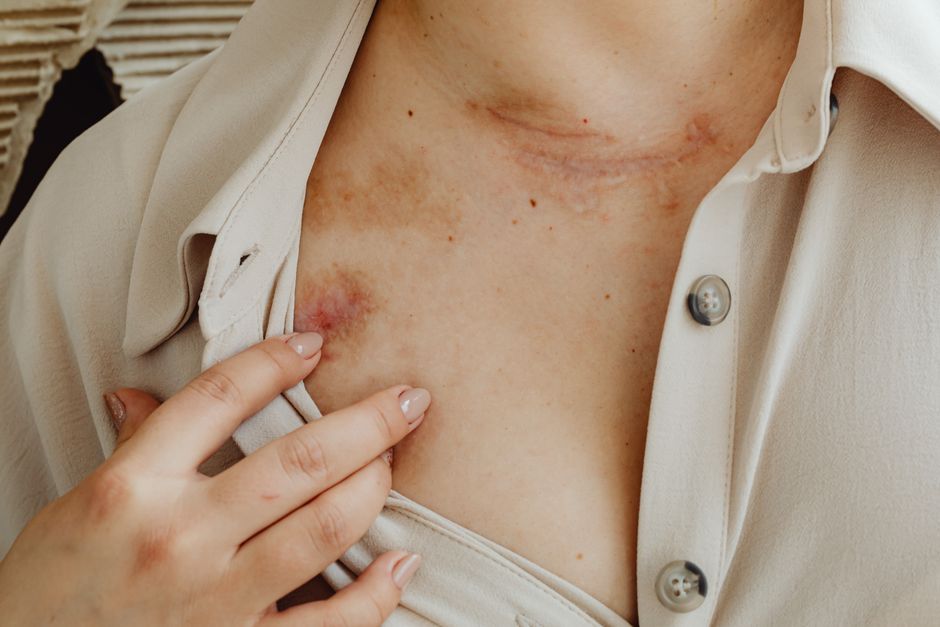
When you get a cut, scrape, or surgical incision, the itching that follows can be maddening. It is a normal part of the healing process. The itch happens because your body is actively repairing damaged tissue, and the same systems that fight infection and rebuild skin also trigger nerve endings in the area. While it feels like the wound is getting worse, itching is usually a sign that the healing process is working as it should.
Why Does A Wound Itch When It Is Healing?
Wound itching, also called pruritus, comes from a mix of chemical signals and new cell growth. When you injure your skin, your immune system sends white blood cells to the area to clear out debris and prevent infection. These cells release substances called histamines and cytokines. Histamine is the same chemical that causes itching in allergies, and it stimulates the nerve fibers in your skin.
At the same time, your body is building new tissue. Skin cells multiply and collagen fibers form to close the gap. This new tissue is not as organized as normal skin, and it presses against nearby nerve endings. The combination of chemical irritation and physical pressure sends a constant stream of “itch” signals to your brain. The brain cannot always tell the difference between itch signals and pain signals, which is why scratching sometimes hurts but also feels satisfying.
What Is Happening Inside The Wound?
The healing process happens in three overlapping phases. Each phase contributes to the itching sensation in different ways.
Inflammation phase (days 1-3): Blood vessels widen to bring immune cells to the site. This causes redness, swelling, and warmth. Histamine is released early in this phase, which is why many wounds itch within the first day or two.
Proliferation phase (days 3-21): New blood vessels form, and fibroblasts produce collagen to fill the wound. This is when the wound visibly closes. The new tissue is fragile and highly sensitive. As it grows, it pulls at the edges of the wound, which stimulates nerve endings.
Remodeling phase (weeks to months): The collagen fibers reorganize and strengthen. The wound may look pink or raised during this time. Itching often peaks here because nerve endings are regenerating and becoming more sensitive as the tissue matures.
Each phase can cause itching, but many people notice it most during the proliferation and remodeling phases. That is when the wound is actively closing and nerves are reconnecting.
Why Does Scratching Make It Worse?
Scratching provides brief relief because it creates a mild pain signal that overrides the itch signal in the spinal cord. This is called the gate control theory. But the relief does not last, and scratching can damage the healing tissue.
Your fingernails carry bacteria. Scratching an open or newly closed wound can introduce those bacteria into the site, increasing the risk of infection. Scratching can also tear the fragile new tissue that is forming. This opens the wound again, which restarts the inflammatory phase and prolongs the itching cycle.
If you scratch hard enough to break the skin, you can also increase scar formation. A wound that is repeatedly damaged during healing tends to produce thicker, more visible scars.





When Is Wound Itching A Sign Of A Problem?
Normal healing itch is annoying but manageable. Some types of itching signal that something is wrong. You should watch for signs of infection or an allergic reaction.
Seek medical attention if you notice any of the following:
- Increased redness spreading beyond the wound edges
- Warmth or heat radiating from the wound
- Yellow or green discharge, especially if it has a foul odor
- Fever or chills
- Swelling that gets worse instead of better
- Pain that intensifies rather than decreases
- A rash or hives around the wound site
An infected wound requires medical treatment, usually with antibiotics. Do not try to treat a suspected infection at home with over-the-counter creams alone. If you recently had surgery and your incision becomes intensely itchy with a rash, you may be reacting to the adhesive in the bandage or to the sutures. Contact your surgeon or doctor for guidance.
How To Relieve Itching Safely
You cannot stop the healing process, and you should not want to. But you can manage the itch without harming the wound. The goal is to reduce the itch sensation and protect the healing tissue.
Keep the wound moist: A dry wound itches more than a moist one. Use the ointment or dressing your doctor recommended. Petroleum jelly is a common option for minor wounds that are no longer bleeding. Moist wound healing also reduces scab formation, and scabs are a major source of itching.
Apply a cold compress: Cold numbs the nerve endings and reduces blood flow to the area, which lowers histamine activity. Use a clean cloth dampened with cool water. Place it over the wound for 10-15 minutes at a time. Do not apply ice directly to the skin, as this can damage tissue.
Keep the area covered: A dressing protects the wound from friction from clothing and prevents you from directly scratching the skin. Change the dressing as often as your doctor instructed. If the dressing itself causes itching, talk to your doctor about switching to a different type.
Take an oral antihistamine: Over-the-counter antihistamines like diphenhydramine or cetirizine can reduce histamine-related itching. Follow the dosing instructions on the package. Some antihistamines cause drowsiness, so consider taking them at night if itching interferes with sleep.
Distract yourself: Itching is worse when you focus on it. Keeping your hands busy or engaging in an activity can reduce the urge to scratch. This may sound simple, but it is a genuinely effective behavioral strategy.
What Not To Do When A Wound Itches
Some common home remedies can harm healing wounds. Avoid these practices even if they seem logical or are popular online.
Do not use hydrogen peroxide or rubbing alcohol: These substances kill bacteria, but they also damage healthy cells that are trying to rebuild tissue. They can dry out the wound and make itching worse. Plain soap and water is sufficient for cleaning most minor wounds.
Do not apply undiluted essential oils: Essential oils are concentrated plant extracts. Applying them directly to broken skin can cause severe irritation or allergic reactions. No clinical evidence supports their use for wound itching.
Do not pick at scabs: A scab is a natural bandage. It protects the wound while new skin forms underneath. Picking it off exposes the immature tissue beneath and restarts the healing clock. It also increases the risk of infection and scarring.
Do not scratch through clothing: Rubbing the wound through fabric can still damage it. The friction can pull at the edges of the wound and irritate the surrounding skin.
Do not ignore signs of infection: If the wound becomes more painful, red, or starts draining pus, stop home treatment and see a doctor. Delaying treatment for an infected wound can lead to more serious complications.
How Long Does Wound Itching Last?
The duration of itching depends on the size and depth of the wound. A minor scrape may itch for only a few days. A deeper cut or surgical incision may itch for several weeks or even months.
Itching tends to be most intense when the wound is actively closing and new nerves are growing. Once the skin barrier is restored and the tissue matures, the itching usually fades. Some people experience itching in a healed scar for months afterward, especially if the scar is raised or thick. This is normal, but if the itching is severe or interferes with daily life, a dermatologist can recommend treatments.
Keep in mind that everyone heals at a different pace. Factors like age, nutrition, and overall health influence healing time. A wound on a younger person generally heals faster than the same wound on an older person. Wounds in areas with good blood flow, like the face, heal faster than wounds on the lower legs or feet.
Why Some People Itch More Than Others
There is genuine variation in how intensely people experience wound itching. Some of this is due to individual differences in nerve sensitivity. Some is due to the type of wound.
Burns are notoriously itchy during healing. The damage is deeper and involves more nerve endings. Surgical incisions also tend to itch significantly because the cut goes through multiple layers of tissue. People with a history of eczema or dry skin may experience more intense itching because their skin barrier is already compromised.
Psychological factors play a role too. Stress and anxiety can lower your threshold for itching. If you are already feeling tense, the itch sensation may feel more unbearable than it would when you are relaxed. This does not mean the itch is “in your head.” It means your brain is processing the sensation differently.
Some research suggests that certain people are simply more sensitive to histamine. This is why one person may barely notice a healing wound while another finds it nearly impossible to ignore. Neither response is abnormal.
When To See A Doctor
Most wound itching does not require medical attention. It is a normal part of healing. But there are situations where you should seek professional advice.
See a doctor if the itching is severe enough to disrupt your sleep or daily activities. See a doctor if you suspect an infection. See a doctor if you have a chronic condition like diabetes, which can impair wound healing and increase infection risk. See a doctor if the wound is deep, gaping, or will not stop bleeding.
If you have a surgical wound that becomes intensely itchy and develops a spreading rash, contact your surgeon. This could be a reaction to the dressing materials, sutures, or an antibiotic ointment. Your surgeon can recommend alternatives.
For anyone with a weakened immune system, any wound that is not healing normally should be evaluated by a healthcare professional promptly. Do not wait weeks to see if it improves on its own.
Frequently Asked Questions
Is itching a sign that a wound is healing?
Yes, itching is often a normal sign of healing. It occurs because the body is releasing histamines and rebuilding new tissue, which stimulates nerve endings.
How can I stop a healing wound from itching?
Keep the wound moist with a recommended ointment, apply a cool compress, and cover it with a dressing. An oral antihistamine can also reduce itching if it is interfering with sleep.
When should I worry about a wound itching?
Worry if the itching is accompanied by spreading redness, warmth, yellow or green discharge, fever, or worsening pain. These signs may indicate an infection that needs medical treatment.
Does scratching a healing wound make it scar more?
Yes, scratching can damage new tissue and increase the risk of a thicker scar. It can also introduce bacteria and cause an infection, which prolongs healing.
