
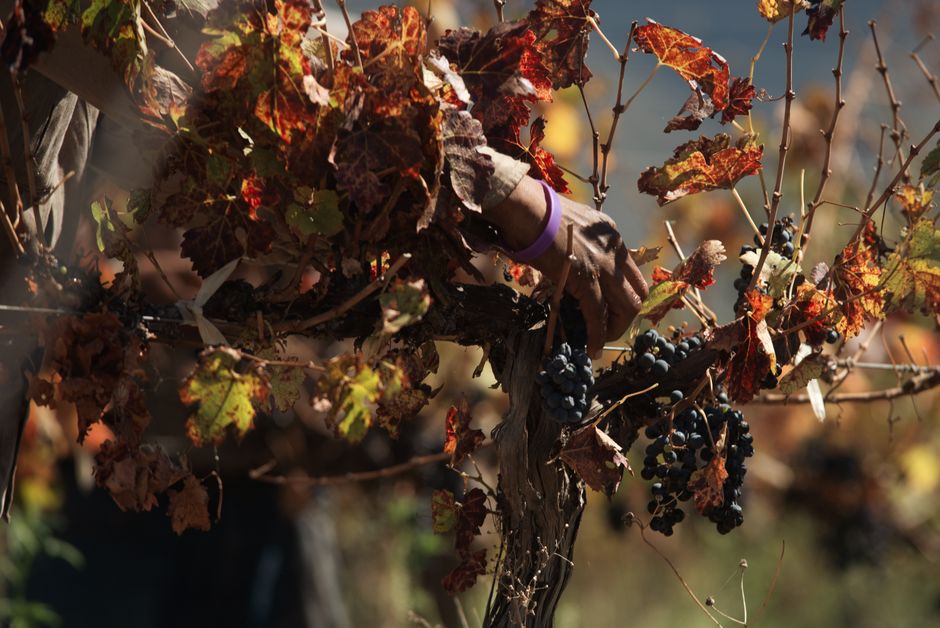
Concord grape leaves are edible and versatile. You harvest them in late spring when the leaves are young and tender. Use them fresh for wrapping stuffed dishes like dolmas, or preserve them by blanching and freezing for year-round use. Always pick from vines you know are pesticide-free.
When Is the Best Time to Harvest Concord Grape Leaves?
The ideal window is late spring to early summer. This is when the leaves are fully grown but still soft and pliable. Look for leaves about the size of your palm — roughly 4 to 6 inches across. Smaller leaves may be too delicate to hold stuffing. Larger leaves become tough and fibrous.
Harvest before the vine flowers or sets fruit. Once grapes begin to develop, the leaves redirect energy and start to toughen. In most regions of the United States, this means May through early June. If you miss this window, you can still use leaves later in the season, but they will need longer blanching and may have a stronger flavor.
Choose leaves that are deep green without yellow spots, insect holes, or powdery mildew. Avoid leaves near roadsides or areas that may have been sprayed with herbicides or pesticides.
How To Harvest Concord Grape Leaves Without Damaging the Vine
Use clean scissors or pruning shears. Cut the stem about half an inch from the leaf base. Never pull leaves off by hand — that can tear the vine bark and create entry points for disease.
Take only two or three leaves from each shoot. Leave the youngest leaves at the tip and older leaves near the base. This lets the shoot keep growing and photosynthesizing. A healthy mature vine can provide several dozen leaves without harm. Do not strip more than one-third of a vine’s leaves in a single season. Overharvesting stresses the plant and reduces next year’s fruit yield.
Place harvested leaves gently in a basket or bag. Do not stack them too thickly or they will bruise. Process them within a few hours. If you cannot, store them in a damp paper towel inside a sealed bag in the refrigerator. They will keep for about two days.
How To Prepare Fresh Concord Grape Leaves for Cooking
Freshly picked leaves need a quick rinse under cool water to remove dirt and any tiny insects. After rinsing, blanch them before using. Blanching softens the leaves and removes bitterness. It also makes them easier to roll.
Bring a large pot of water to a boil. Add a tablespoon of salt. Drop in the leaves in batches, about 10 at a time. Blanch for 30 to 60 seconds until they turn bright green and become limp. Immediately transfer them to a bowl of ice water to stop the cooking. Drain and pat dry.
Do not skip blanching even if you plan to stuff and cook the leaves later. Unblanched leaves can be tough and may tear during rolling.





How To Use Concord Grape Leaves in Cooking
The most common use is wrapping fillings — a dish often called dolmas or stuffed grape leaves. Traditional fillings include rice, herbs like dill and mint, ground lamb or beef, and pine nuts. The wrapped leaves are simmered in a lemon and olive oil broth until tender.
Concord grape leaves have a slightly tart, earthy flavor that pairs well with savory fillings. They hold up better than some other grape varieties during long cooking. For a vegetarian version, use rice, lentils, onions, and fresh herbs.
You can also use fresh blanched leaves as a wrap for grilled vegetables or fish. Chop them and add to soups or stews for extra texture and nutrients. Some Mediterranean cuisines use them as a bed for roasting meats, where they absorb juices and add a subtle grape flavor.
Before stuffing, trim the tough stem flush with the leaf. Place the leaf vein-side up, spoon filling near the stem end, fold in the sides, and roll tightly toward the tip. Pack the rolls snugly in a pot to keep them from unwrapping during cooking.
How To Preserve Concord Grape Leaves for Year-Round Use
If you harvest more leaves than you can use fresh, preservation is simple. The two most reliable methods are freezing and brining.
Freezing: Blanch the leaves as described. After cooling and drying, stack them in piles of 10 to 12. Roll each stack into a cylinder and place in a freezer-safe bag. Squeeze out as much air as possible, seal, and freeze. Frozen leaves last up to 12 months. Thaw in the refrigerator before using.
Brining: Pack blanched leaves into a clean glass jar. Cover them completely with a brine made from 1 cup water mixed with 1 tablespoon salt (kosher or sea salt). Seal the jar and refrigerate. Brined leaves keep for several months. Rinse them in fresh water before using to remove excess salt.
Do not can grape leaves at home without a tested recipe and pressure canner. Low-acid vegetables risk botulism when improperly canned. The USDA does not provide a specific tested canning process for grape leaves. Stick with freezing or brining for safety.
Are Concord Grape Leaves Safe to Eat?
Yes, they are safe for most people when properly harvested and prepared. However, there are a few considerations.
Grape leaves contain oxalates. For most people this is not a problem. If you have a history of kidney stones, especially calcium oxalate stones, speak with your doctor before eating grape leaves regularly. Oxalates can bind to calcium and contribute to stone formation.
Grape leaves can also accumulate pesticides if the vine has been treated. Only harvest from vines you know have not been sprayed with chemicals not labeled for food crops. Commercial grape leaves sold in stores are grown for food and are safe.
Some people find the texture of grape leaves woody if they are older. Proper selection and blanching solves this. Allergic reactions are rare but possible. If you have a known allergy to grapes, avoid the leaves.
Nutritional Content of Concord Grape Leaves
Grape leaves are low in calories and contain several vitamins and minerals. A single cup of raw grape leaves (about 14 grams) provides vitamin A, vitamin K, and some vitamin C. They also contain manganese, calcium, and iron.
The leaves are especially high in vitamin K, which is important for blood clotting and bone health. One cup provides well over the daily recommended intake. If you take blood thinners like warfarin, talk to your doctor before adding grape leaves to your diet. Consistent vitamin K intake matters more than avoiding it, but sudden large changes can affect medication dosing.
Grape leaves contain antioxidants, including polyphenols. Some of these compounds are similar to those found in grape skins and seeds. However, no large human trials have studied whether eating grape leaves provides measurable health benefits beyond general nutrition. The evidence is limited to laboratory studies and traditional use reports.
How To Harvest And Use Concord Grape Leaves
Here are the key facts in a single summary. Harvest in late spring when leaves are young and palm-sized. Use clean scissors to cut the stem. Blanch leaves in salted boiling water for 30–60 seconds before using. Stuff them with your choice of filling and simmer in a lemon broth. Preserve extra leaves by blanching and freezing or brining. Always wash leaves well and source from untreated vines. Enjoy them as a traditional food with a long history of safe use.
What the Evidence Says About Health Benefits of Grape Leaves
Some laboratory studies show that extracts from grape leaves have antioxidant and anti-inflammatory activity. These findings are biologically plausible — grape leaves contain phenolic compounds like quercetin and caffeic acid. However, laboratory conditions do not directly translate to human health effects.
A few small studies in humans have looked at grape leaf extract for conditions like chronic venous insufficiency. These studies are limited in size and quality. The leaves used in those studies were from specific wine grape varieties, not Concord grapes. There is no clinical evidence that eating Concord grape leaves improves any specific health condition.
Traditional medicine in some cultures uses grape leaf preparations for digestive complaints and inflammation. These uses are not supported by rigorous clinical trials. If you are considering grape leaves for a therapeutic purpose, speak with a healthcare provider. As a food, they are a safe part of a varied diet.
Frequently Asked Questions
Can I eat Concord grape leaves raw?
You can eat them raw after washing, but they are tough and bitter. Most people blanch them first to soften the texture and reduce bitterness.
How long do preserved grape leaves last?
Frozen leaves last up to 12 months. Brined leaves in the refrigerator last several months. Always check for off smells or slime before using.
Are grape leaves from wild vines safe to eat?
Yes, if you are certain the vine has not been sprayed with chemicals and the leaves look healthy. Avoid vines near roads or treated lawns.
Do grape leaves have high oxalates?
Yes, grape leaves contain moderate levels of oxalates. People with a history of calcium oxalate kidney stones should limit intake or consult their doctor.
