
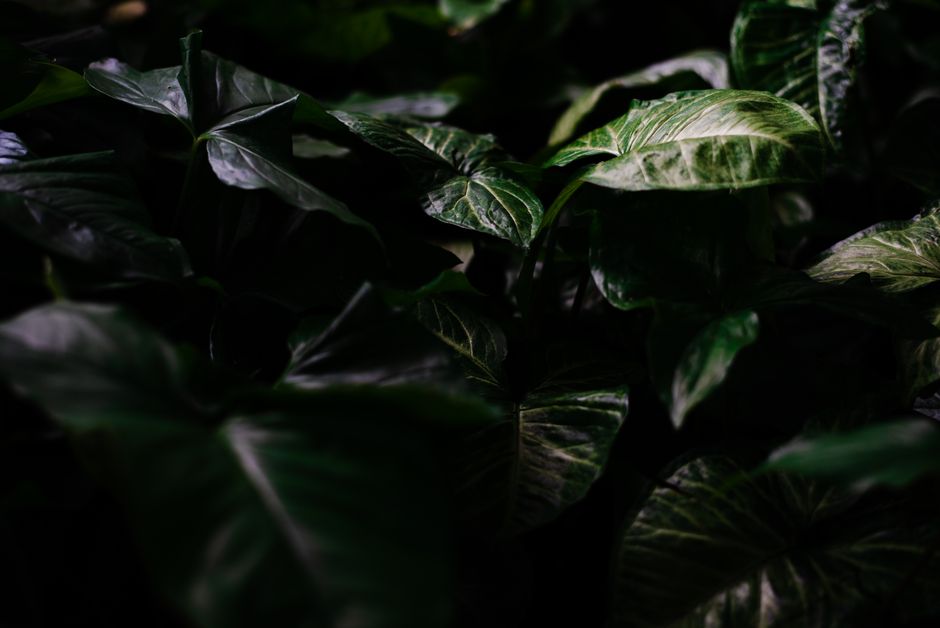
Growing a trailing Syngonium Albo is about giving it bright, indirect light, well-draining soil, and letting its aerial roots climb or trail freely. This variegated plant, also known as the Arrowhead Vine, is not a true vining plant in the same way as a Pothos, but it will happily trail from a hanging basket or climb a moss pole. The key to success is consistency: water when the top inch of soil is dry, keep humidity moderate, and never let it sit in direct sun, which will scorch the white sections of its leaves.
What Makes a Syngonium Albo Different?
The Syngonium Albo is a specific variety of the Arrowhead Vine, prized for its dramatic white and green variegation. Unlike some other variegated plants, the white sections of the leaf contain no chlorophyll. This is important because those white areas do not photosynthesize, meaning they are more fragile and require more care to keep healthy.
The plant’s growth habit is what makes it “trailing” or “climbing.” In its natural habitat, it uses its aerial roots to climb up trees. In your home, it will do the same. You can let it cascade from a shelf or pot, or you can give it a support structure to climb. Both methods work, but the plant will produce larger leaves if allowed to climb.
The most common problem people face is browning on the white parts of the leaves. This is usually a sign of too much direct sunlight, low humidity, or inconsistent watering. The white tissue is delicate and shows stress faster than the green parts.
What Light Does a Syngonium Albo Need?
Bright, indirect light is the sweet spot for this plant. A spot a few feet away from an east or north-facing window works well. A west or south-facing window is fine if the plant is set back from the glass or shielded by a sheer curtain. The goal is to give it plenty of light without any direct sun hitting the leaves.
Direct sunlight will burn the white sections of the leaves, leaving brown, crispy patches. Too little light, on the other hand, will cause the plant to revert to all-green growth. When the plant does not get enough light, it produces more chlorophyll to survive, and the white variegation fades. If you notice new leaves coming in with little or no white, move the plant to a brighter spot.
Grow lights are an excellent option if you do not have a naturally bright spot. A standard full-spectrum grow light placed about 12 inches above the plant for 10-12 hours a day can maintain variegation and support healthy growth. Just be careful not to place the light too close, as the heat can dry out the leaves.
How Often Should You Water a Syngonium Albo?
Water when the top inch of soil feels dry to the touch. Stick your finger into the soil. If it feels dry at the first knuckle, it is time to water. If it feels damp, wait a day or two and check again. This usually works out to once every 7-10 days, but the exact timing depends on your home’s temperature, humidity, and pot size.
Overwatering is the most common cause of death for this plant. The roots need oxygen, and constantly wet soil suffocates them, leading to root rot. Symptoms of overwatering include yellowing leaves, mushy stems, and a sour smell coming from the soil. If you see these signs, let the soil dry out completely before watering again, and check that your pot has drainage holes.
Underwatering is less common but still possible. If the leaves look droopy or feel thin and papery, the plant is thirsty. The leaves will perk back up within a few hours of watering. Consistent moisture is better than alternating between bone dry and soaking wet.
Use room-temperature water. Cold water can shock the roots, especially in winter. Filtered or rainwater is ideal if your tap water is heavily treated with chlorine or fluoride, which can cause brown tips on sensitive plants.





What Soil and Potting Mix Work Best?
A chunky, well-draining mix is essential. Syngonium roots need airflow, and dense potting soil holds too much water. A good mix combines standard potting soil with perlite and orchid bark. The perlite and bark create air pockets, allowing water to flow through freely while still retaining some moisture for the roots.
A simple recipe is two parts regular potting soil, one part perlite, and one part orchid bark. This mix drains quickly but still holds enough moisture to keep the plant happy. If you prefer to buy a pre-made mix, look for one labeled for aroids. These are designed for plants like Monstera and Philodendron, which have similar needs.
Choose a pot with drainage holes. A plastic or glazed ceramic pot works well because they do not absorb moisture from the soil. Terracotta pots are porous and dry out faster, which can be good if you tend to overwater, but they may require more frequent watering in dry homes.
Should You Let It Trail or Give It a Moss Pole?
Both options work, and the choice comes down to your space and preference. A trailing Syngonium Albo looks beautiful spilling over the edge of a hanging basket or shelf. The stems will grow long, and the leaves will stay a moderate size.
If you want larger leaves, give the plant something to climb. In nature, Syngoniums climb trees, and their leaves grow significantly larger as they ascend. A moss pole, trellis, or wooden stake gives the aerial roots something to attach to. When the plant climbs, it puts more energy into leaf size rather than stem length.
To train the plant up a moss pole, gently tie the stem to the pole with soft plant ties or twist ties. Keep the moss pole slightly damp to encourage the aerial roots to grip. Over time, the roots will embed themselves in the moss, and the plant will climb on its own. This is not required for the plant’s health, but it is the way to get those large, impressive leaves.
How Do You Propagate a Syngonium Albo?
Propagation is straightforward and rewarding. Find a stem with at least one node and one leaf. The node is the small bump on the stem where roots and new growth emerge. Cut just below the node with clean, sharp scissors.
You can root the cutting in water or directly in soil. Water propagation is the most common method because you can watch the roots grow. Place the cutting in a glass of water, ensuring the node is submerged but the leaf stays dry. Change the water every few days to keep it fresh. Roots typically appear within two to four weeks.
Once the roots are about two inches long, you can transfer the cutting to soil. Keep the soil consistently moist for the first week or two while the roots adjust. Some growers prefer to skip the water step and plant the cutting directly into moist soil. This can work, but the cutting needs higher humidity to survive. A clear plastic bag over the pot can create a mini greenhouse effect and improve your chances of success.
Why Are the Leaves Turning Brown or Yellow?
Brown, crispy edges on the white parts of the leaves are usually a light or humidity issue. Direct sun burns the delicate white tissue. Low humidity causes the edges to dry out and crisp. If you see brown patches, move the plant to a spot with indirect light and consider adding a humidifier or pebble tray nearby.
Yellow leaves are more often a watering issue. If the yellow leaves are soft and mushy, you are overwatering. If they are dry and crispy, you are underwatering. Check the soil moisture and adjust your schedule. Yellow leaves can also appear on older leaves naturally as they age, so one or two yellow leaves at the bottom is not a cause for alarm.
Brown spots with a yellow halo can indicate a bacterial or fungal issue, often from water sitting on the leaves. Always water the soil, not the foliage, and ensure good airflow around the plant. If you see this pattern, remove the affected leaves and avoid misting the plant.
Is the Syngonium Albo Toxic to Pets?
Yes. All Syngonium species contain calcium oxalate crystals, which are toxic to cats, dogs, and humans if ingested. The crystals cause immediate pain, swelling, and irritation in the mouth and throat. In severe cases, they can cause difficulty swallowing or breathing.
Keep this plant out of reach of curious pets and children. If you suspect your pet has chewed on the leaves, contact your veterinarian right away. Symptoms to watch for include drooling, pawing at the mouth, vomiting, and reduced appetite. While rarely fatal, it is a painful experience for the animal and should be taken seriously.
Frequently Asked Questions
Why is my Syngonium Albo losing its white variegation?
New leaves with little or no white are a sign of insufficient light. Move the plant to a brighter spot with indirect sunlight to encourage the plant to produce more white sections.
Can I grow a Syngonium Albo in low light?
It will survive in low light, but it will not thrive. The plant will grow slowly, and the variegation will fade as the leaves turn greener to capture more light.
How do I make my Syngonium Albo trail longer?
Let the stems grow without pruning and provide bright, indirect light. The plant will naturally produce longer stems, which you can let cascade from a hanging basket or shelf.
Is the Syngonium Albo a fast grower?
Given the right conditions of bright light and consistent moisture, it is a moderate to fast grower. You can expect new leaves every few weeks during the growing season in spring and summer.
