

Natural killer (NK) cells are a type of white blood cell that patrol your body looking for cells that are infected or turning cancerous. They get their name because they can kill a target cell without being told to by another part of the immune system. There is no single proven way to raise your NK cell count or activity. The strongest evidence points to the basics: regular moderate exercise, enough sleep, managing ongoing stress, and avoiding smoking and excess alcohol. No supplement has been shown to reliably increase NK cells in healthy people.
What Are Natural Killer Cells and What Do They Do?
NK cells are part of your innate immune system. That means they act fast and do not need to learn to recognize a specific threat first, the way T cells and B cells do.
They work in two main ways. First, they release proteins called perforin and granzymes that poke holes in a target cell and trigger it to self-destruct. Second, they release signaling molecules called cytokines that help shape the wider immune response.
NK cells kill cells that have lost a certain surface marker called MHC class I. Many viruses and cancer cells lose this marker to hide from other immune cells. NK cells notice the missing marker and respond. They also carry receptors that detect stress signals on cells, which adds another layer of detection.
You will find NK cells in your blood, spleen, lymph nodes, bone marrow, and liver. They make up a small share of the white cells circulating in your blood. Their job is surveillance. They are not a single switch you flip on or off.
How To Increase Natural Killer NK Cells Naturally
Everyday behaviors influence NK cell activity. The effect is real but usually modest, and it works best as a pattern over months, not a quick fix.
Exercise has the clearest evidence. A single bout of moderate exercise can temporarily raise the number of NK cells moving through your blood. This rise is short-lived, but people who exercise regularly tend to show better NK cell function over time. Moderate activity means you can talk while doing it. Very long, very intense endurance training without enough recovery has been linked to lower NK cell activity in some studies, so more is not always better.
Sleep matters for immune function broadly. Short or poor sleep is associated with lower NK cell activity in several studies. Most adults need seven to nine hours, though individual needs vary.
Stress is a factor many people overlook. Ongoing psychological stress is linked to lower NK cell activity in research. Short-term stress can briefly boost some immune measures, but chronic stress tends to work against NK cells.
Smoking is associated with lower NK cell activity. Quitting supports immune function over time. Excess alcohol also appears to suppress NK cell activity. The evidence here is not uniform across all drinking patterns, but heavy drinking is consistently linked to poorer immune function.
Diet supports NK cells indirectly. A varied diet rich in vegetables, fruit, and fiber supports general immune health. No single food has been shown to reliably raise NK cells.
Do Supplements Increase NK Cells?
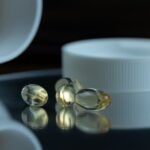
This is where marketing runs far ahead of evidence. Many products claim to boost NK cells. Most have weak or no human data behind them.
Some small studies have looked at specific compounds. Certain mushroom extracts, including beta-glucans, have been studied for immune effects. Results are mixed, and study sizes are often small. Interest in beta-glucans comes largely from laboratory and animal work, and human trials have not consistently shown a meaningful rise in NK cell activity.
Other common claims involve vitamin C, vitamin D, zinc, and various herbal products. Vitamin D plays a role in immune function, and low levels are common. The evidence that correcting a deficiency specifically boosts NK cells in otherwise healthy people is limited. Some research suggests vitamin D status relates to immune function, but this is not the same as showing that supplements raise NK cell counts.
The honest position is this: no supplement has been shown to reliably increase NK cell numbers or activity in healthy adults. A few have weak supporting evidence. That is not the same as proof.
One non-obvious point: a normal NK cell count on a blood test does not tell you how well your NK cells are working. Number and function are different things. A person can have a normal count with reduced activity, or the reverse.



What the Evidence Does Not Support
Several popular ideas about NK cells are not backed by solid evidence.
- Alkaline diets and water. Claims that changing your body’s pH boosts NK cells are not supported. Your body tightly controls blood pH on its own.
- Extreme fasting or cleanse programs. Some animal and lab work looks at fasting and immune cells, but human evidence that fasting raises NK cells is limited.
- High-dose single nutrients in healthy people. Taking large doses of a vitamin you are not deficient in has not been shown to raise NK cell activity.
- Stress-reduction products. Apps, devices, and supplements marketed for “immune support” often lack trials showing an effect on NK cells.
Be cautious with any product that promises a specific, measurable boost to NK cells. That kind of claim would require strong human trial data, and most products do not have it.
Can You Measure Your NK Cell Levels?
NK cells can be measured with a blood test, usually through flow cytometry. This test counts NK cells and can assess some aspects of their function.
These tests are used mainly in clinical settings. They help evaluate certain immune deficiencies, monitor some conditions, and support research. They are not a routine screening tool for healthy people, and they are not a good way to track whether your lifestyle changes are working.
Here is why. NK cell counts vary between people and even within the same person over time. A single number does not capture how well your immune system is functioning overall. Immune function is the product of many cell types working together, not one measurement.
Unless a doctor orders an NK cell test for a specific reason, there is little value in getting one on your own. It is more likely to cause confusion than clarity.
What Actually Supports Immune Health
If your goal is a well-functioning immune system, including NK cells, the evidence points to unglamorous basics.
- Move your body regularly, aiming for moderate activity most days.
- Prioritize sleep and keep a consistent schedule.
- Find real ways to manage long-term stress.
- Do not smoke, and limit heavy drinking.
- Eat a varied diet with plenty of vegetables, fruit, and fiber.
- Stay current on recommended vaccines, which train your broader immune system.
These steps support immune function generally. They are not a targeted NK cell protocol, because no such proven protocol exists for healthy people.
It also helps to keep expectations realistic. Your immune system is not something you can max out with the right stack of products. It works best when your overall health is steady, not when you chase a single lab value.
Frequently Asked Questions
Can you increase NK cells naturally?
Regular moderate exercise, adequate sleep, and lower chronic stress are linked to better NK cell activity, though effects are usually modest. No natural method has been shown to dramatically raise NK cell numbers in healthy people.
What foods boost natural killer cells?
No single food has been shown to reliably raise NK cells. A varied diet rich in vegetables, fruit, and fiber supports immune health overall, which is the realistic goal.
Do supplements really increase NK cells?
No supplement has been shown to reliably increase NK cell numbers or activity in healthy adults. Some compounds have weak or mixed evidence, which is not the same as proof.
Does exercise raise NK cells?
A single bout of moderate exercise can briefly raise NK cells in the blood, and regular activity is linked to better NK cell function over time. Very intense training without enough recovery may work against this.
