
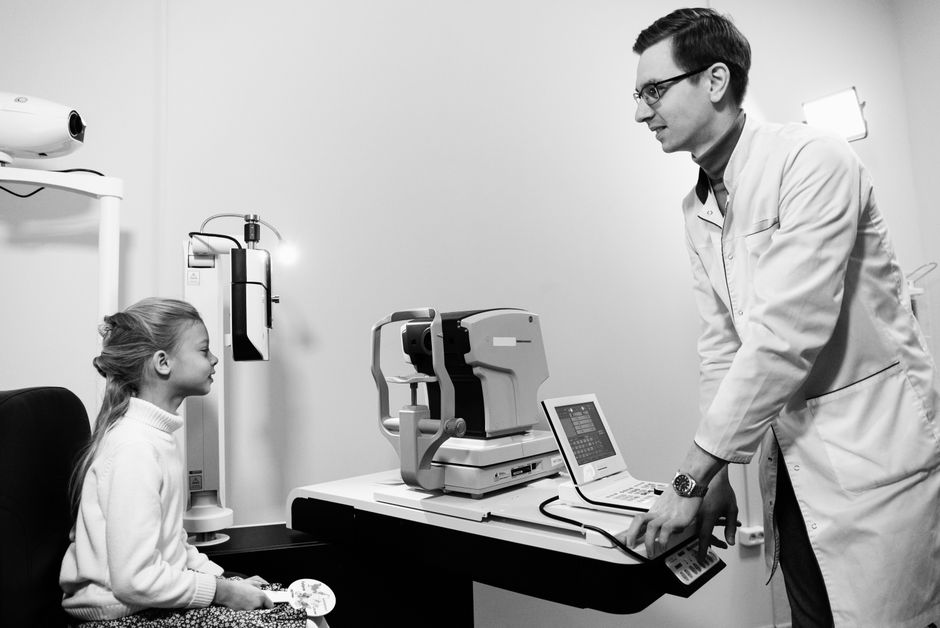
Getting your eyes checked is simpler than most people think. A standard eye exam takes about 30 to 60 minutes and involves a series of tests that check how well you see and how healthy your eyes are. You will read letters from a chart, look through a device called a phoropter, and have your eyes examined with bright lights. Most tests are painless, and you can drive yourself home unless your pupils are dilated with special eye drops.
How To Get Your Eyes Checked What To Expect
Your first step is booking an appointment with an optometrist or ophthalmologist. An optometrist handles routine vision care and prescriptions. An ophthalmologist is a medical doctor who treats eye diseases and can perform surgery. For a standard checkup, either one works well. Many optical stores offer exams, but you can also visit an independent eye clinic.
Before the exam, tell the office about any vision problems you have noticed. Mention if you squint, get headaches, or see blurry things up close or far away. Also list any medications you take and any family history of eye disease. This information helps the doctor decide which tests matter most for you.
You do not need to do much preparation. Bring your current glasses or contact lenses if you wear them. Bring your insurance card if you have vision coverage. If you plan to have your pupils dilated, bring sunglasses because your eyes will be sensitive to light for a few hours afterward.
What Tests Are Part of a Standard Eye Exam?
A comprehensive eye exam includes several different tests. Each one checks a specific part of your vision or eye health. Here is what happens in the order you will likely experience it.
Visual Acuity Test
This is the familiar eye chart test. You read letters from a distance, usually 20 feet away. You cover one eye at a time and read the smallest line you can see. This measures your visual acuity, which is how sharp your central vision is. Normal visual acuity is often described as 20/20, meaning you can see at 20 feet what a person with normal vision sees at 20 feet.
Refraction Test
This test determines your prescription for glasses or contacts. You look through a large device called a phoropter while the doctor flips different lenses in front of your eyes. You will be asked, “Which is better, one or two?” This test is subjective, but it is how doctors fine-tune your prescription. It checks for nearsightedness, farsightedness, and astigmatism.
Cover Test
The doctor asks you to focus on an object while they cover and uncover each eye. This checks how well your eyes work together. It can detect strabismus, which is a misalignment of the eyes, or other binocular vision problems. The test takes about a minute and is completely painless.
Slit Lamp Exam
A slit lamp is a microscope with a bright light. You rest your chin and forehead on a support while the doctor examines the front of your eyes. This checks your cornea, iris, lens, and the space between them. It can detect cataracts, corneal scratches, and signs of dry eye.
Glaucoma Screening
Glaucoma is a disease that damages the optic nerve, often due to high pressure inside the eye. The doctor measures your eye pressure with a quick test. One method uses a puff of air directed at your eye. Another method involves numbing drops and a small device that gently touches your eye. Both are quick and uncomfortable at worst, not painful.
Retinal Exam
This test looks at the back of your eye, including the retina and optic nerve. The doctor may use eye drops to dilate your pupils, which makes the pupil larger so more light can enter. Dilated pupils allow the doctor to see the retina clearly. The drops take about 20 to 30 minutes to work and can make your vision blurry for a few hours. Some practices use a digital retinal camera that takes a photo of the back of your eye without dilation.
How Often Should You Get Your Eyes Checked?
For most healthy adults, an eye exam every one to two years is reasonable. If you are over 60, yearly exams are often recommended because the risk of eye disease increases with age. People with diabetes, high blood pressure, or a family history of eye disease may need more frequent exams. Your eye doctor will tell you how often you should return based on your specific situation.
Children should have their eyes checked before starting school and then regularly as they grow. Vision problems can affect learning, so early detection matters. If a child complains of headaches or squints frequently, an eye exam is a good idea even if they recently had one.



Do You Need Eye Drops for a Complete Exam?
Dilating drops are not always necessary, but they allow the most thorough examination of your retina. Without dilation, the doctor can only see the central part of the retina. With dilation, they can see the entire retina, including the edges where problems like retinal tears or detachments can develop.
Many practices now offer digital retinal imaging as an alternative. A camera takes a wide-angle photo of the back of your eye without drops. This is faster and avoids the blurry vision that dilation causes. However, some conditions still require dilation for a complete view. Ask your doctor which method they recommend for you.
If you do get dilated, plan ahead. Your vision will be blurry for three to four hours, and your eyes will be light-sensitive. Sunglasses help with the brightness. You can read and use screens, but things will be harder to see clearly. Most people are fine to drive after a few hours, but you may prefer to have someone drive you home.
What Do the Results Mean?
After the exam, the doctor will explain what they found. If you need a prescription, they will give you one. Your prescription includes numbers for sphere, cylinder, and axis. Sphere corrects nearsightedness or farsightedness. Cylinder and axis correct astigmatism. You do not need to understand these numbers, but it helps to know they are not a measure of eye health. They only describe how light focuses in your eye.
If the doctor finds a health issue, they will explain the next steps. Some conditions, like cataracts, are common and may only require monitoring at first. Others, like glaucoma or diabetic retinopathy, need treatment to prevent vision loss. The doctor will discuss your options and refer you to a specialist if needed.
Many people worry that a high prescription means their eyes are unhealthy. That is not true. A high prescription simply means your eyes focus light differently than average. It does not indicate disease. Regular exams matter because they catch actual health problems early, when treatment is most effective.
Common Myths About Eye Exams
Some myths about eye exams keep people from getting checked. Here is the reality behind a few of them.
Myth: Eye exams are only for people who need glasses. Even if your vision seems perfect, an eye exam checks for diseases that have no early symptoms. Glaucoma, for example, often shows no signs until vision loss has already occurred.
Myth: Reading in dim light ruins your eyes. Reading in low light can cause eye strain and headaches, but it does not cause permanent damage. Your eyes recover once you stop reading.
Myth: Sitting too close to the TV damages your eyes. This is not true for adults. It can cause eye strain, but no permanent harm. In children, sitting very close to the TV can be a sign of nearsightedness, so it is worth mentioning to a doctor.
Myth: You only need an eye exam if you notice a problem. Many eye diseases develop slowly and painlessly. By the time you notice symptoms, some vision loss may already be permanent. Regular exams are the only way to catch these conditions early.
When Should You See an Eye Doctor Immediately?
Some symptoms require urgent attention, not a routine appointment. Seek care right away if you experience sudden vision loss, flashes of light, or a sudden increase in floaters. These can be signs of a retinal detachment, which is a medical emergency. Other urgent symptoms include eye pain, redness with discharge, double vision, or a visible injury to the eye.
If you have diabetes, notice a sudden change in your vision, or have had eye surgery recently, contact your eye doctor promptly. Do not wait for your next scheduled exam. Prompt treatment can often prevent permanent vision loss.
Frequently Asked Questions
How long does an eye exam take?
A standard comprehensive eye exam takes about 30 to 60 minutes. If your pupils are dilated, plan for extra time because the drops take 20 to 30 minutes to work.
Can I drive after getting my eyes checked?
If you do not get dilating drops, you can usually drive right after the exam. If you get dilated, your vision will be blurry for a few hours, so you may want to bring someone to drive you home.
Does an eye exam hurt?
No, most eye exam tests are painless. The puff of air for glaucoma screening can feel surprising, and dilating drops may sting briefly, but the exam itself should not cause pain.
How often do I need an eye exam if I have perfect vision?
Even with perfect vision, adults should have an eye exam every one to two years. Eye diseases can develop without symptoms, and regular exams catch them early when treatment works best.
