
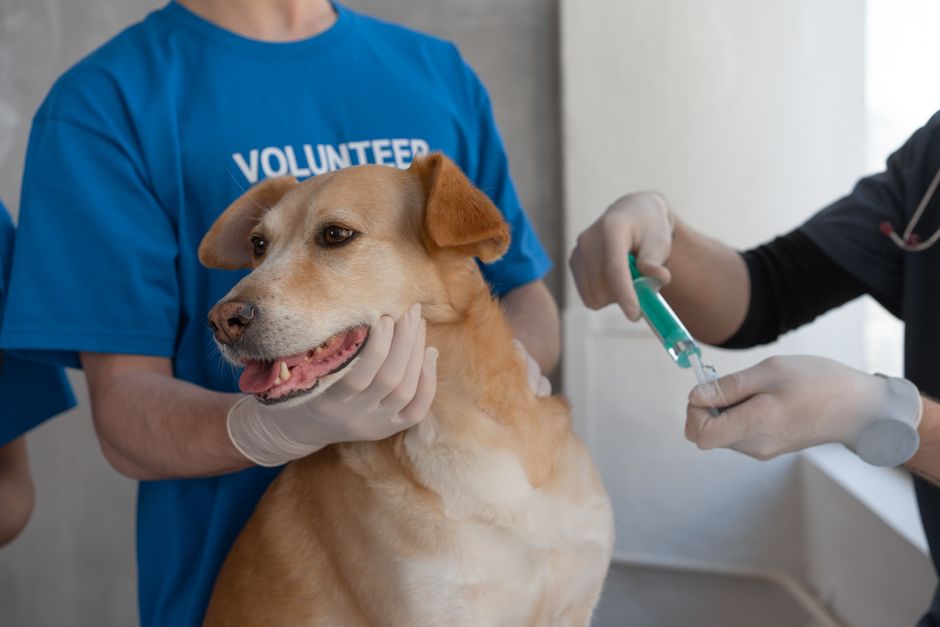
Kennel cough is one of the most common respiratory infections in dogs, and most cases are mild and get better on their own within one to three weeks. Treatment usually focuses on rest, keeping the dog away from other dogs, and managing symptoms. Antibiotics are only used when a veterinarian suspects a bacterial infection, and cough suppressants may be prescribed for dogs with a severe, nonstop cough.
What Is Kennel Cough and What Causes It?
Kennel cough is a broad term for infectious tracheobronchitis — inflammation of the windpipe and the large airways leading into the lungs. It is not one single disease. Several different viruses and bacteria can cause it, and dogs can be infected with more than one at the same time.
The most common bacterial cause is Bordetella bronchiseptica. Common viral causes include canine parainfluenza virus and canine adenovirus type 2. Canine influenza virus and canine distemper virus can also cause respiratory illness that looks similar. Because so many different organisms produce the same set of symptoms, veterinarians rarely identify the exact cause unless testing is specifically needed.
The infection spreads through droplets in the air when a dog coughs, and through direct contact with an infected dog or contaminated surfaces like food bowls and kennel floors. This is why outbreaks happen in places where dogs are close together — boarding kennels, shelters, dog daycare, training classes, and dog parks. The incubation period is typically two to fourteen days after exposure.
Not every exposed dog gets sick. Dogs that are very young, very old, immunocompromised, or have underlying airway problems like a collapsing trachea tend to be more vulnerable.
How Do They Treat Kennel Cough What To Expect From the Vet Visit?
Most dogs with kennel cough do not need extensive treatment. A veterinarian will usually start by asking about the dog’s history — recent boarding, daycare, travel, or contact with other dogs — and then perform a physical exam. The classic finding is a dry, honking cough that can be triggered by gently pressing on the windpipe.
If the dog is bright, eating normally, and has no fever or breathing difficulty, the vet may recommend supportive care at home rather than medication. If the cough is severe, lasting, or the dog seems unwell, further steps may include:
- Listening to the lungs to check for abnormal sounds
- Taking the dog’s temperature to check for fever
- Possibly chest X-rays if pneumonia is suspected
- Possibly a swab or wash of the airway to identify the organism, though this is not routine for mild cases
Most uncomplicated cases are diagnosed based on history and physical exam alone. Testing is reserved for dogs that are very sick, not improving, or part of a larger outbreak.
What Medications Are Used to Treat Kennel Cough?
Medication depends on how sick the dog is and whether a bacterial infection is suspected. Kennel cough is often viral, and antibiotics do not treat viruses. This is a point many owners do not realize — giving antibiotics when they are not needed does not help the dog and contributes to antibiotic resistance.
When antibiotics are prescribed, it is usually because the veterinarian suspects a bacterial component, most often Bordetella. Common choices include doxycycline or amoxicillin-clavulanate. The exact drug and duration depend on the individual dog and the vet’s assessment.
Cough suppressants may be used when the cough is severe enough to prevent rest or cause distress. These are prescription medications and should never be given without veterinary guidance, because suppressing a cough that is clearing mucus from the lungs can be harmful in some situations.
Anti-inflammatories may be used in some cases to reduce airway inflammation. Never give a dog human pain relievers like ibuprofen or acetaminophen — these are toxic to dogs.
If the dog has a fever, is not eating, or has difficulty breathing, more aggressive treatment may be needed, including hospitalization, oxygen therapy, or intravenous fluids. These cases are the minority.




What Does Recovery Look Like at Home?
Most dogs recover fully with rest and time. The cough is often the last symptom to go away and can linger for two to three weeks even after the dog seems otherwise normal. Some dogs have a mild cough that comes and goes for a few weeks after the main illness.
Things that help during recovery:
- Keep the dog calm and limit exercise — running and excitement make coughing worse
- Use a harness instead of a collar to avoid pressure on the windpipe
- Keep the dog away from other dogs until the cough has fully resolved
- Make sure the dog stays hydrated and eats normally
- Avoid smoke, dust, and other airway irritants
Most dogs do not need to be kept strictly isolated from other pets in the same household if those pets are healthy and vaccinated, but they should not be around unfamiliar dogs. The infectious period can last for several weeks after symptoms start, so keeping the dog home from daycare, boarding, and dog parks during that time is important.
If the dog’s cough is not improving after about ten days, or if it is getting worse, a follow-up vet visit is warranted. Some dogs develop secondary bacterial pneumonia, which requires more intensive treatment.
When Should You Call the Vet Right Away?
Most kennel cough is mild, but some signs mean the dog needs to be seen promptly. These include:
- Difficulty breathing or labored breathing at rest
- Blue or pale gums
- Not eating or drinking for more than a day
- Fever above 103°F (39.4°C)
- Coughing up blood or a productive cough with colored discharge
- Lethargy or collapse
- Cough that has lasted more than three weeks
Puppies, senior dogs, and dogs with chronic health conditions should be evaluated sooner rather than later, because they are at higher risk for complications.
How Can Kennel Cough Be Prevented?
Vaccination is the main tool for prevention. The Bordetella vaccine is commonly given as an intranasal or oral product, and it is often combined with vaccines for parainfluenza and adenovirus. The vaccine does not prevent all cases, but it reduces the severity and spread of illness. It is typically recommended for dogs that board, attend daycare, or are frequently around other dogs.
Other preventive steps include:
- Avoiding close contact with dogs that are coughing
- Asking boarding facilities and daycares about their vaccination requirements
- Keeping your dog’s vaccinations up to date
- Reducing stress during boarding, since stress can make infection more likely
No vaccine is 100 percent effective, and vaccinated dogs can still develop a mild cough. The goal is to reduce how sick they get and how easily they spread infection to others.
How Long Does Kennel Cough Last?
Most cases resolve within one to three weeks. The cough often peaks in the first few days and then gradually fades. Some dogs have a lingering dry cough for a few weeks after the acute illness ends.
If the dog was treated with antibiotics for a bacterial infection, improvement is usually seen within a few days, but the full course of medication should be completed as prescribed. Stopping antibiotics early can allow the infection to return.
If the cough is still significant after three weeks, or if it never improved, the dog needs to be rechecked. A lingering cough can have other causes, including tracheal collapse, heart disease, or a foreign object in the airway, and these need different treatment.
Frequently Asked Questions
Do dogs with kennel cough need antibiotics?
Not always. Kennel cough is often viral, and antibiotics only help if a bacterial infection is present. A veterinarian will decide based on the dog’s symptoms and exam findings.
Can I treat kennel cough at home?
Mild cases can often be managed at home with rest, limited exercise, and keeping the dog away from other dogs. If the cough is severe, the dog is not eating, or breathing seems difficult, see a vet.
Is kennel cough contagious to humans?
Bordetella bronchiseptica can infect people with severely weakened immune systems, but this is rare. Healthy humans are generally not at risk from typical kennel cough.
How long should a dog stay away from other dogs with kennel cough?
Keep the dog away from other dogs until the cough has fully resolved, which is often two to three weeks. The infectious period can extend beyond the visible symptoms.
