
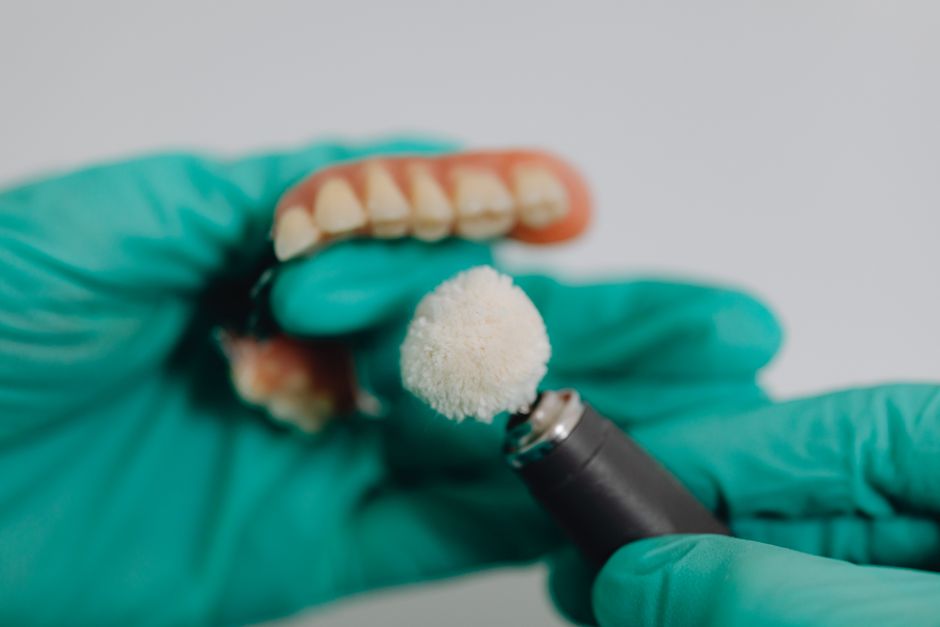
Getting dentures starts with a dental exam and a series of impressions, measurements, and fittings that usually take several weeks from first visit to final placement. The process has two main phases: making the dentures, then adjusting to wearing them. Knowing what happens at each step makes the whole thing far less stressful.
How Do You Get Dentures? The Steps From First Visit to Final Fit
Dentures are custom-made. No two mouths are the same, so every set is built from measurements and molds taken from your own mouth. The process is a collaboration between you, your dentist, and often a dental lab technician who physically builds the appliance.
Here is the general sequence for a conventional set:
- Exam and imaging. The dentist checks your remaining teeth, gums, and jaw. X-rays may be taken. If teeth need to come out first, that is planned here.
- Impressions. Soft material is pressed against your gums and jaw to create a mold. This is the blueprint for the denture base.
- Bite registration. The dentist records how your upper and lower jaws meet so the teeth are positioned correctly.
- Wax try-in. A wax model with teeth set in place is tried in your mouth. You and the dentist check the look, fit, and bite. Changes can still be made at this stage.
- Final processing. The wax model becomes a finished denture made of acrylic resin, sometimes with a metal framework.
- Insertion and adjustments. You get the finished denture. Follow-up visits are common to relieve pressure spots.
The number of appointments varies. Some dentists compress the schedule; others spread it out. A typical conventional denture takes several weeks to a few months, especially if extractions and healing are involved.
What Are the Different Types of Dentures?
Not all dentures work the same way, and the type you get changes both the timeline and the cost.
Complete dentures replace all teeth in an arch. They come in two forms. A conventional denture is made after the gums have healed from extractions, which can take a few months. An immediate denture is made in advance and placed the same day your teeth are removed, so you are not left without teeth. Immediate dentures often need relining later because the gums shrink as they heal.
Partial dentures replace some missing teeth and fill gaps between remaining teeth. They may clip onto existing teeth with metal or flexible clasps.
Implant-supported dentures anchor to dental implants placed in the jawbone. These hold more securely than standard dentures but require surgery and a longer overall process. Not everyone is a candidate, and the cost is substantially higher.
Each type has trade-offs in comfort, stability, cost, and how long the process takes. Your dentist should walk you through which fits your situation.
How Long Does It Take to Get Dentures?
There is no single answer, because the timeline depends on whether teeth must be removed first and how your gums heal.
If you already have no teeth and just need a new set, the process is faster. If extractions are needed, healing adds time. Bone and gum tissue change shape after teeth come out, and a denture made before that change settles can become loose.
Immediate dentures skip the waiting period by being placed right after extraction, but they usually require adjustments and a reline once healing is complete. Implant-supported options take the longest, since implants need time to integrate with the bone before the denture is attached.
Ask your dentist for a realistic estimate for your specific case rather than relying on a general number.
What Does It Feel Like to Wear Dentures?
New dentures rarely feel natural at first. That is normal and expected.
Common early experiences include:
- Increased saliva flow, which usually settles
- Sore spots where the denture presses on gums
- A feeling that the denture is bulky or that your tongue has less room
- Difficulty pronouncing certain words
- Changes in how food tastes, especially with an upper denture that covers the palate
Most of these improve as your mouth adapts and as your dentist adjusts the fit. Sore spots are common and treatable — do not simply tolerate pain. Return for adjustments.
Eating takes practice. Start with soft foods cut into small pieces. Chewing on both sides at once helps keep the denture balanced. Speaking improves with reading aloud and practice.
One point worth knowing: a denture does not replace the full chewing power of natural teeth. Bite force is generally reduced, so hard or sticky foods can be harder to manage. This is a physical limitation of the appliance, not a sign you are doing something wrong.
How Do You Care for Dentures?
Dentures need daily cleaning, just like natural teeth. Plaque and food debris build up on them and can cause odor, staining, and gum irritation.
General care steps:
- Remove and rinse the denture after eating
- Brush it daily with a soft brush and a denture cleaner — not regular abrasive toothpaste, which can scratch the surface
- Handle it over a folded towel or a basin of water so it does not break if dropped
- Take it out at night unless your dentist advises otherwise, to give your gums a rest
- Keep it moist when not worn, since acrylic can warp if it dries out
- Clean your gums, tongue, and any remaining teeth daily
Even with good care, dentures wear down and the shape of your mouth changes over time. Most dentures eventually need relining or replacement. See your dentist regularly so problems are caught early.
What Are the Risks and Downsides of Dentures?
Dentures are a well-established way to replace missing teeth, but they are not without drawbacks. Being honest about this helps you set realistic expectations.
Common issues include:
- Sore spots and irritation from pressure on the gums
- Loose fit as jawbone and gums change over time
- Bone loss in the jaw where teeth are missing, which continues over the years and can change your facial appearance
- Difficulty with certain foods and speech
- Gagging in some people, particularly with upper dentures
Bone loss is a genuine long-term concern. Once teeth are gone, the jawbone no longer gets the stimulation that chewing provides, and it gradually shrinks. This is one reason implant-supported options are sometimes recommended — implants can help preserve bone. That said, implants involve surgery and are not right for everyone, and the evidence on long-term outcomes varies by individual.
Dentures also require ongoing maintenance and cost over time. They are not a one-time purchase.
How Much Do Dentures Cost?
Cost varies widely based on the type of denture, where you live, and your dentist. Complete dentures, partials, and implant-supported options sit at very different price points, with implants being the most expensive by a large margin.
Insurance coverage also varies. Some dental plans cover part of the cost; others cover little or none. Medicare generally does not cover routine dentures, though some Medicare Advantage plans may include dental benefits. Check your specific plan.
Because prices differ so much by region and provider, the most reliable approach is to ask your dentist for a written estimate before treatment begins, and to ask what follow-up adjustments and future relines will cost.
Do You Need Dentures or Another Option?
Dentures are one path, not the only one. Depending on your situation, alternatives include dental bridges, dental implants, or keeping and repairing teeth where possible.
A bridge is fixed and does not come out, but it relies on neighboring teeth for support. A single implant replaces one tooth. Implant-supported dentures combine implants with a removable appliance.
Which option fits depends on how many teeth are missing, the health of your gums and jawbone, your budget, and your preferences. There is no single best answer for everyone. A dentist can explain the trade-offs for your case.
How Do You Prepare for the Process?
Preparation is mostly practical. Ask questions before you commit. Get a clear estimate in writing. Understand what is included and what costs extra.
If extractions are planned, ask about healing time and whether an immediate denture is an option. If you are considering implants, ask whether you are a candidate and what the full timeline and cost look like.
Plan for the adjustment period. Stock soft foods. Expect several follow-up visits. Give yourself time to adapt rather than expecting an instant fit.
Dentures are a process, not a single appointment. Understanding the steps in advance makes the experience far more manageable.
Frequently Asked Questions
How long does it take to get dentures?
A conventional denture usually takes several weeks to a few months from first visit to final fit, depending on whether extractions and healing are involved. Immediate dentures are placed the same day teeth are removed but often need later adjustments.
Do dentures hurt?
New dentures commonly cause sore spots and gum irritation at first, which usually improve with adjustments. Pain that persists should be evaluated by your dentist rather than tolerated.
Can you sleep in dentures?
Most dentists recommend removing dentures at night to give your gums and jaw a rest. Wearing them continuously can increase the risk of gum irritation and fungal issues.
How often do dentures need to be replaced?
Dentures typically need relining or replacement over time as your gums and jawbone change shape and the material wears down. Regular dental visits help determine when a replacement is needed.
