
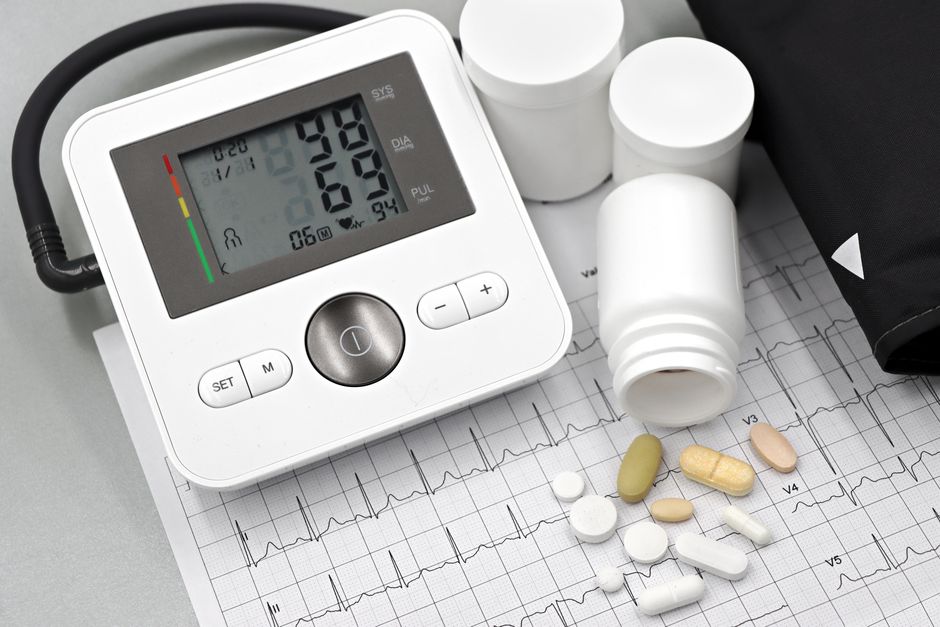
Getting your cholesterol checked starts with a simple blood draw. A doctor orders a test called a lipid panel, a lab measures the fats in your blood, and you get numbers back within a few days. There are three common ways to get it done: at your doctor’s office, at a pharmacy or community screening site, or with an at-home test kit. Each has trade-offs in cost, convenience, and how much guidance you get with the results.
Cholesterol itself is a waxy substance your body needs to build cells and make hormones. The problem is when certain types build up in your arteries. A cholesterol test tells you where you stand, but the test is only useful if you know what the numbers mean and what to do next.
What Does a Cholesterol Test Actually Measure?
A standard cholesterol test is called a lipid panel, and it reports four numbers.
- Total cholesterol — everything combined
- LDL cholesterol — often called “bad” cholesterol because high levels are linked to plaque buildup in arteries
- HDL cholesterol — often called “good” cholesterol because it helps carry cholesterol back to the liver
- Triglycerides — a type of fat that also matters for heart risk
Your report may also include a calculated value called non-HDL cholesterol, which is simply total cholesterol minus HDL. Many clinicians find it useful because it captures all the cholesterol that can contribute to plaque.
What the numbers mean
There is no single “normal” cholesterol number that fits everyone. Target levels depend on your age, blood pressure, smoking status, diabetes, and family history. That said, general reference ranges are widely used.
| Measure | General reference range |
|---|---|
| Total cholesterol | Below 200 mg/dL is considered desirable |
| LDL cholesterol | Below 100 mg/dL is considered optimal for most adults |
| HDL cholesterol | 40 mg/dL or higher for men; 50 mg/dL or higher for women |
| Triglycerides | Below 150 mg/dL is considered normal |
These are broad guides, not personal targets. Someone with diabetes or a strong family history of early heart disease may be advised to aim lower. Your clinician sets the target that fits your situation.
How To Get Your Cholesterol Checked 3 Ways To Test
The three routes below cover almost every situation. They differ mainly in who orders the test, where the blood is drawn, and how much interpretation you receive.
1. At your doctor’s office
This is the most common path and the one most likely to come with follow-up care. Your primary care clinician orders a lipid panel, a phlebotomist draws blood, and the results come back to your doctor, who reviews them with you.
The advantage is context. Your doctor sees the numbers alongside your blood pressure, weight, smoking status, and family history. That matters because treatment decisions are based on your overall cardiovascular risk, not cholesterol alone. If a statin or other medication is being considered, that conversation belongs with a clinician who knows your full picture.
Most insurance plans cover a lipid panel when it is ordered for a medical reason. Medicare covers cholesterol testing at no cost to you in many situations. Check with your plan before you go if cost is a concern.
2. Pharmacy and community screening programs
Many pharmacies offer cholesterol testing, sometimes without an appointment. Community health fairs and workplace screening events also provide lipid panels, often for a low fee or free.
These are convenient and can be a reasonable first step if you have no regular doctor. The limitation is follow-up. A screening event gives you numbers, but it usually does not give you a plan. If your results are abnormal, the next step is still to see a clinician who can interpret them in context.
One practical point: some pharmacy and screening tests use a fingerstick and a small portable device rather than a blood draw sent to a lab. These can be useful for screening, but results may differ somewhat from a standard laboratory panel. If a fingerstick result is borderline or abnormal, a lab-based test is generally used to confirm it.
3. At-home test kits
At-home cholesterol tests are available without a prescription. Most work one of two ways: you prick your finger and place a drop of blood on a test card, or you collect a small blood sample and mail it to a lab. Results come back by app, email, or mail, sometimes within days.
Convenience is the obvious appeal. The evidence on accuracy is more mixed. Some home kits have been compared favorably with lab results in studies, while others have shown meaningful differences. The evidence is not strong enough to say home tests match laboratory lipid panels across the board.
There is also the question of what happens after. A number on a screen is not a plan. If a home result is high, you still need a clinician to interpret it, confirm it if needed, and discuss what it means for your risk. No at-home kit replaces that conversation.
Do You Need to Fast Before a Cholesterol Test?
For most people, no. Current guidance from major heart organizations has moved away from routine fasting for standard lipid panels. A non-fasting test is generally sufficient for assessing cardiovascular risk, and it is easier for patients.
There are exceptions. If your triglycerides are very high, or if your clinician is monitoring a specific condition, they may ask you to fast. Follow the instructions you are given. If you are unsure, ask before your appointment rather than guessing.
One clarification worth knowing: the old rule of fasting for 9 to 12 hours before every cholesterol test is no longer the default. Many labs and clinics still print fasting instructions out of habit. If your order does not specify, a non-fasting test is usually acceptable.




How Often Should You Get Your Cholesterol Checked?
For most adults without known heart disease, checking every 4 to 6 years is a common starting point. That interval shortens if you have risk factors such as diabetes, high blood pressure, smoking, or a family history of early heart disease. In those cases, more frequent testing is often recommended.
Age matters too. Cholesterol screening is generally recommended starting in your 20s or 30s for adults at average risk, and it becomes more important as you get older. If you have never had a cholesterol test and you are over 40, it is worth asking your clinician about one.
These intervals are general guidance, not rules. Your clinician may recommend a different schedule based on your results and history. If you are being treated for high cholesterol, testing is typically done more often to see whether treatment is working.
What Should You Do With Your Results?
Numbers alone do not tell you what to do. The same LDL level can mean different things for a 45-year-old with no other risk factors and a 60-year-old with diabetes. That is why risk assessment matters more than any single number.
If your results are in the desirable range, that is useful information. Keep testing on a schedule your clinician recommends. If your results are high, the response is not panic. It is a conversation about your overall risk and the options that fit it.
Lifestyle changes are the usual first step for many people with mildly elevated cholesterol. Diet, physical activity, and not smoking all affect cholesterol and cardiovascular risk. Whether medication is appropriate depends on your total risk, not just your LDL. That is a decision to make with a clinician, not from a lab report alone.
One thing worth saying plainly: a cholesterol test is a snapshot, not a verdict. It is one input among several. Used well, it gives you and your clinician real information to work with.
Frequently Asked Questions
Can I get my cholesterol checked without a doctor?
Yes. Pharmacy screenings and at-home test kits are available without a prescription. However, a clinician is still needed to interpret abnormal results and recommend next steps.
How long does it take to get cholesterol test results?
Lab results from a doctor’s office or pharmacy are usually available within a few days. At-home mail-in kits typically take longer because of shipping time.
Is a fingerstick cholesterol test as accurate as a blood draw?
Not necessarily. Fingerstick and portable device tests can be useful for screening, but results may differ from a standard laboratory panel. A lab-based test is generally used to confirm borderline or abnormal results.
Do I need to fast before a cholesterol test?
For most people, no. Current guidance has moved away from routine fasting for standard lipid panels. Follow your clinician’s instructions if they ask you to fast for a specific reason.
