
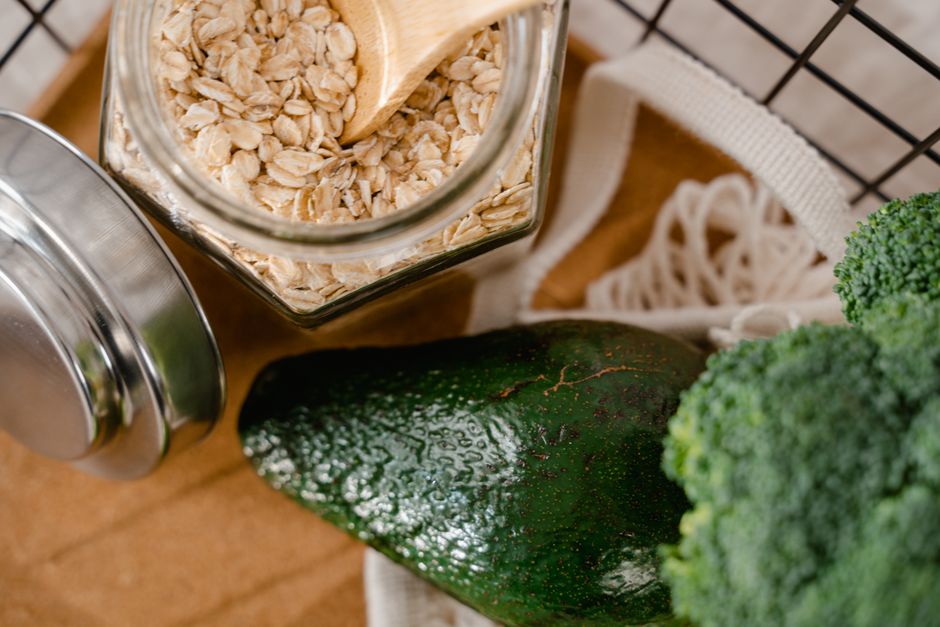
Plant sterols and stanols are natural compounds found in the cell membranes of plants. They are structurally similar to cholesterol and occur naturally in vegetable oils, nuts, seeds, whole grains, legumes, and some fruits and vegetables. The richest natural sources are vegetable oils — particularly corn, sunflower, and canola oil — along with wheat germ, peanuts, and almonds.
These compounds work in the gut by competing with cholesterol for absorption. When you consume enough of them, less cholesterol enters your bloodstream. That is why they are added to certain fortified foods like margarine, yogurt drinks, and orange juice. The challenge is that natural food sources contain amounts too small to produce a meaningful cholesterol-lowering effect on their own. Getting the effective dose from food alone is difficult without fortified products.
What Foods Have Sterols And Stanols To Lower Cholesterol?
Naturally occurring plant sterols and stanols are present in many everyday foods, but the amounts vary widely. Vegetable oils top the list. Wheat germ, nuts, and seeds follow. Fruits, vegetables, and legumes contain smaller amounts.
Here is a general look at where these compounds are found naturally:
- Vegetable oils: Corn, sunflower, canola, and soybean oils contain the highest natural concentrations.
- Nuts and seeds: Almonds, peanuts, sunflower seeds, and sesame seeds are good sources.
- Whole grains: Wheat germ, oat bran, and whole wheat products contain measurable amounts.
- Legumes: Soybeans, lentils, and chickpeas provide smaller quantities.
- Fruits and vegetables: Broccoli, cauliflower, carrots, and berries contain trace amounts.
The key word here is “trace.” Most unfortified plant foods contain far less than what research has linked to cholesterol reduction. You would need to eat very large quantities of these foods to approach the amounts used in clinical studies. That does not make them worthless — they are part of a heart-healthy diet for many other reasons — but their sterol content alone is unlikely to move your cholesterol numbers much.
How Do Plant Sterols And Stanols Lower Cholesterol?
Plant sterols and stanols lower LDL cholesterol by blocking its absorption in the small intestine. Your body handles cholesterol through two main routes: it makes cholesterol in the liver, and it absorbs cholesterol from food in the gut. Plant sterols interfere with the second route.
Here is what happens. When you eat, cholesterol and plant sterols both enter the intestine. They compete for the same transport proteins that carry them into the bloodstream. Because plant sterols are present in sufficient amounts, they crowd out some of the cholesterol. Less cholesterol gets absorbed. More passes through and leaves the body in stool.
The liver responds by pulling more cholesterol from the blood to make bile acids, which are needed for digestion. This lowers the amount of LDL cholesterol circulating in your bloodstream.
This mechanism is well established. It is the reason health authorities and regulatory agencies have approved claims that plant sterols and stanols can lower cholesterol. The effect is modest but real — typically a reduction in LDL cholesterol of around 8 to 10 percent when consumed at effective levels as part of a diet low in saturated fat and cholesterol. That figure comes from meta-analyses of controlled trials and is widely cited in clinical literature.
What Is the Effective Dose of Plant Sterols and Stanols?
The cholesterol-lowering effect requires a specific daily intake. Research consistently shows that consuming about 2 grams of plant sterols or stanols per day lowers LDL cholesterol by roughly 8 to 10 percent in most people.
Below that level, the effect is smaller. Above it, the benefit does not increase much — the dose-response curve flattens out. Taking more than 3 grams per day does not appear to provide additional LDL reduction.
This is the critical point about natural food sources. To get 2 grams of plant sterols from unfortified foods, you would need to consume amounts that are not practical. For example, you would need to eat many cups of broccoli or handfuls of almonds far beyond typical serving sizes. The math simply does not work for most people.
Fortified foods solve this problem. Products like sterol-enriched margarine, yogurt drinks, milk, and orange juice are designed to deliver a meaningful dose in one or two servings. A single serving of a fortified spread or drink may contain 0.4 to 1 gram of plant sterols or stanols. Two to three servings per day can reach the 2-gram target.
If you are considering fortified products, read the label to see how much you are actually getting. Not all products are fortified, and amounts vary by brand.



Do You Need Fortified Foods to Get Enough?
For most people, yes. The natural diet rarely provides enough plant sterols and stanols to reach the effective dose. This is not a failure of natural foods — it is simply a matter of concentration.
Fortified foods were developed specifically to bridge this gap. They concentrate plant sterols or stanols into a form that makes the effective dose achievable through normal eating. This is why you see cholesterol-lowering claims on certain margarines and yogurt drinks but not on a bag of almonds.
That said, fortified foods are not the only path. Some people prefer supplements. Plant sterol supplements are available, and research suggests they can lower LDL cholesterol similarly to fortified foods when taken at the same dose. However, supplements are not regulated the same way as foods, and quality can vary. If you go this route, look for products that state the sterol or stanol content clearly.
What matters most is the total daily intake, not the source. Whether it comes from a fortified spread, a drink, or a supplement, the effect depends on reaching that 2-gram threshold consistently.
Can Plant Sterols and Stanols Replace Cholesterol Medication?
No. Plant sterols and stanols are not a substitute for prescription cholesterol medication. They produce a modest reduction in LDL cholesterol — typically 8 to 10 percent — while statins and other medications can reduce LDL by much larger amounts.
For some people with mildly elevated cholesterol, diet changes including plant sterols may be enough to reach target levels, especially when combined with other heart-healthy habits. For others, particularly those with significantly elevated LDL or existing cardiovascular disease, medication is necessary and should not be replaced by dietary approaches.
Plant sterols can be used alongside medication. Some research suggests they may add a small additional benefit when combined with statins, though the evidence on this specific combination is not entirely consistent. If you take cholesterol medication, talk to your doctor before adding fortified foods or supplements — not because they are dangerous, but because your doctor should know what you are taking and can help you understand whether it fits your overall plan.
Are There Risks or Downsides to Plant Sterols and Stanols?
For most people, consuming plant sterols and stanols at recommended levels is considered safe. Health authorities in the United States and Europe have reviewed the evidence and approved their use in foods at levels up to 3 grams per day.
Some points are worth knowing. Plant sterols can reduce the absorption of certain fat-soluble vitamins, including beta-carotene and vitamin E. The effect is generally small and can be offset by eating more fruits and vegetables rich in these nutrients. If you are concerned, mention it to your doctor or a dietitian.
There is a rare genetic condition called sitosterolemia, in which the body absorbs plant sterols excessively. People with this condition should avoid plant sterol supplements and fortified foods. It is uncommon, but if you have a family history of very high cholesterol at a young age, it is worth discussing with a doctor.
For children, pregnant women, and breastfeeding women, there are no established clinical guidelines for plant sterol or stanol supplementation. Fortified foods are generally not recommended for children under 5. If you are in any of these groups, talk to a healthcare provider before using these products.
What Else Lowers Cholesterol Besides Plant Sterols?
Plant sterols are one tool among several. A heart-healthy eating pattern does more for cholesterol than any single compound.
Reducing saturated fat and eliminating trans fat has a larger effect on LDL cholesterol than adding plant sterols alone. Soluble fiber — found in oats, barley, beans, and psyllium — also lowers LDL cholesterol by binding cholesterol in the digestive tract. Regular physical activity, maintaining a healthy weight, and not smoking all contribute.
The combination matters. Research on portfolio diets — eating patterns that combine plant sterols, soluble fiber, nuts, and soy protein with a diet low in saturated fat — has found LDL reductions larger than any single component alone. Some studies report reductions comparable to what low-dose statins achieve, though these results come from tightly controlled feeding studies and may be harder to replicate in everyday life.
If your goal is lowering cholesterol, think of plant sterols as one part of a broader approach. They work best when the rest of your diet and lifestyle support them.
Frequently Asked Questions
What foods are highest in plant sterols and stanols?
Vegetable oils like corn, sunflower, and canola oil contain the highest natural amounts, followed by wheat germ, nuts, and seeds. However, natural food sources rarely provide enough to reach the effective cholesterol-lowering dose.
How much plant sterols do you need per day to lower cholesterol?
Research consistently shows that about 2 grams per day lowers LDL cholesterol by roughly 8 to 10 percent. Taking more than 3 grams per day does not appear to add further benefit.
Can I get enough plant sterols from food alone?
For most people, no. Unfortified foods contain too little to reach the effective dose without eating unrealistic amounts. Fortified products like margarine and yogurt drinks are designed to deliver a meaningful dose per serving.
Are plant sterols a replacement for statins?
No. Plant sterols lower LDL cholesterol modestly — around 8 to 10 percent — while statins can reduce it far more. They can be used alongside medication, but they are not a substitute.
