
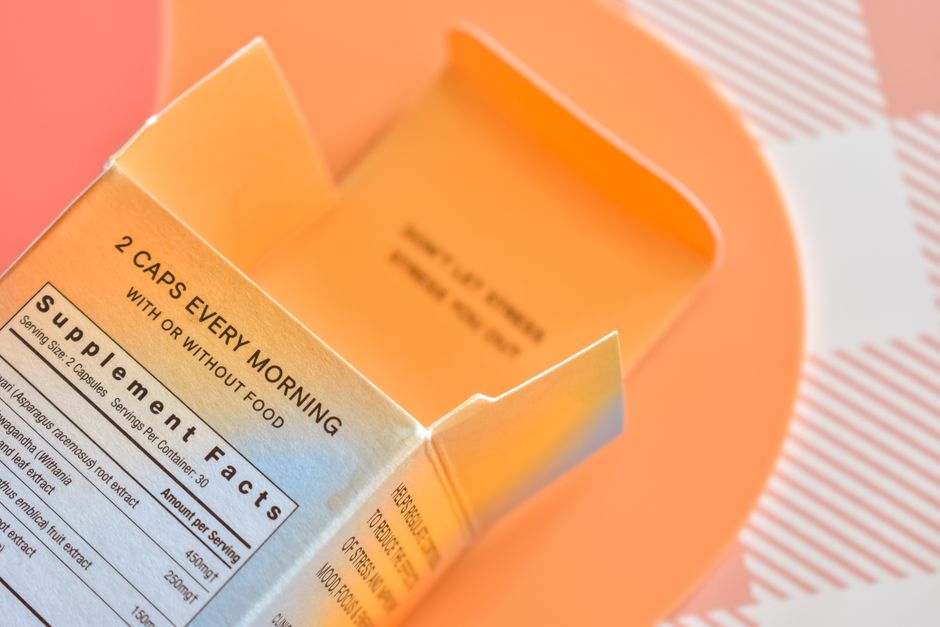
Vitamin D2, also called ergocalciferol, is made by plants and fungi when they are exposed to ultraviolet light. You get it from a small number of foods — mainly UV-exposed mushrooms and fortified products — and from supplements labeled as D2 or ergocalciferol. It is not the same as vitamin D3, and that difference matters more than most labels let on.
Most people absorb enough D2 from fortified foods and supplements to support vitamin D status, but D2 is generally less potent than D3 at raising and maintaining blood levels. If you are choosing a source deliberately, it helps to know where D2 actually comes from, how it is absorbed, and when it is the right choice versus a weaker one.
What Is Vitamin D2 And How Does It Differ From Vitamin D3?
Vitamin D2 and vitamin D3 are both forms of vitamin D, but they come from different places and behave somewhat differently in the body. D3 (cholecalciferol) is made in human skin when sunlight hits cholesterol compounds, and it is also found in animal foods like fatty fish and egg yolks. D2 (ergocalciferol) is produced when ultraviolet light hits ergosterol, a compound found in fungi and some plants.
Once swallowed, both forms are absorbed in the small intestine and carried to the liver, where they are converted to 25-hydroxyvitamin D — the form measured in blood tests. From there, the kidney converts it again to the active hormone. Both D2 and D3 feed into this same pathway.
The difference shows up in how long each stays in circulation. Research published in the Journal of Clinical Endocrinology and Metabolism found that a single large dose of D3 raised and sustained blood levels of 25-hydroxyvitamin D more effectively than the same dose of D2. D2 tends to raise measured blood levels quickly and then fall off faster. This is why many clinicians prefer D3 when the goal is correcting a deficiency, though D2 remains effective and is still used clinically.
One practical wrinkle: standard blood tests measure total 25-hydroxyvitamin D, which includes both forms. If you take D2, your test result reflects it, but the D2 metabolite may clear faster than a D3 metabolite would. This can make D2 look less reliable over time even when it is working.
How To Get Vitamin D2 From Food And Supplements
Getting D2 from food is harder than getting D3, because very few foods contain it naturally. The main natural source is mushrooms that have been exposed to ultraviolet light. Supplements are the more dependable route if you are specifically after D2.
For food sources, look for mushrooms labeled as UV-exposed or “vitamin D enhanced.” Standard commercially grown mushrooms are often grown in the dark and contain little vitamin D. Some producers expose them to UV light after harvest, which converts their ergosterol into D2. The amount varies widely by brand and handling, so the label is your only reliable guide.
Fortified foods are another route. Some plant-based milks, orange juices, and cereals are fortified with vitamin D, though most use D3 or a mix. Check the ingredient list — if it says ergocalciferol, that is D2.
For supplements, D2 is sold as ergocalciferol, often in tablet or capsule form and sometimes as a prescription-strength product. It is also common in vegetarian and vegan supplements, since D3 is typically sourced from lanolin (sheep wool) or fish oil. If you avoid animal products, D2 is the plant-derived option.
Absorption of D2 from supplements works best when taken with a meal that contains some fat, because vitamin D is fat-soluble. Taking it on an empty stomach reduces absorption.
Which Foods Actually Contain Vitamin D2?
The list is short. UV-exposed mushrooms are the only significant natural food source of D2. Everything else is either fortified or a supplement.
Mushroom type matters less than how the mushroom was handled. Button, cremini, portobello, and shiitake can all produce D2 when exposed to UV light. Fresh mushrooms exposed to sunlight for a period before cooking can generate measurable D2, though the amount depends on the intensity and duration of exposure and is difficult to predict at home.
Dried mushrooms, particularly those dried in sunlight, may retain D2. But again, without a label stating the vitamin D content, you cannot know how much you are getting. Treat unlabeled mushrooms as a modest, variable source rather than a reliable one.
Fortified plant milks and juices sometimes use D2. Read the label carefully — the fortification vitamin is listed in the ingredients, and the nutrition panel will state the amount per serving.



D2 vs D3: A Side-By-Side Comparison
| Feature | Vitamin D2 (ergocalciferol) | Vitamin D3 (cholecalciferol) |
|---|---|---|
| Main natural sources | UV-exposed mushrooms | Fatty fish, egg yolks, skin synthesis from sunlight |
| Supplement form | Ergocalciferol | Cholecalciferol |
| Suitable for vegans | Usually yes | Often no (lanolin or fish-derived) |
| Effect on blood 25(OH)D | Raises levels; clears faster | Raises levels; sustains them longer |
| Typical clinical use | Vegetarian/vegan needs, some prescriptions | General supplementation and deficiency correction |
The table reflects general patterns, not a rule that D2 is inferior in every situation. For maintaining status in someone who already has adequate levels, D2 can work. For correcting a deficiency, many clinicians favor D3 because of the sustained blood level advantage.
How Much Vitamin D2 Do You Need?
There is no separate recommended intake for D2 versus D3. Official guidance sets a total vitamin D recommendation, and either form counts toward it.
The National Academies (formerly the Institute of Medicine) sets the Recommended Dietary Allowance for vitamin D at 600 IU per day for adults aged 19 to 70, and 800 IU per day for adults over 70. These figures apply to vitamin D from all sources combined. The tolerable upper intake level for adults is 4,000 IU per day from food and supplements.
These are general population figures for maintaining adequacy, not treatment doses. If a blood test shows deficiency, the dose needed to correct it is a clinical decision — often higher than the RDA and sometimes given as a prescription. That decision should come from a clinician who has seen your lab results, not from a label or an article.
No clinical guidelines currently exist for a D2-specific dose in pregnancy, infancy, or children beyond the general vitamin D recommendations for those groups, which do not distinguish between forms.
Who Should Choose D2 Over D3?
D2 is the right choice for people who avoid animal products. Most D3 supplements are derived from lanolin, a substance from sheep wool, or from fish liver oil. If you follow a vegan or strict vegetarian diet, ergocalciferol is the plant-derived option, and it does raise vitamin D levels.
D2 is also used in some clinical settings, including certain prescription products. Some clinicians still prescribe ergocalciferol for deficiency, particularly where it is the established formulary option.
For everyone else, the evidence generally favors D3 for raising and maintaining blood levels. That does not make D2 ineffective — it makes D3 the more efficient choice when both are available and animal sourcing is not a concern. If you take D2 and your blood levels are not improving as expected, that difference in clearance is one reason a clinician might switch you to D3.
What To Watch For With D2 Supplements
Vitamin D is fat-soluble, which means it accumulates in the body. Very high doses taken over time can cause toxicity, with elevated blood calcium as the main concern. This is uncommon at standard doses but possible with aggressive supplementation.
Check labels for the actual amount of ergocalciferol per serving. Some products combine D2 with other nutrients, and the vitamin D content can be easy to miss. If you take a multivitamin plus a separate D supplement plus fortified foods, the totals add up.
If you have a condition that affects vitamin D metabolism — kidney disease, liver disease, or certain parathyroid disorders — how your body handles D2 may differ, and dosing should be guided by a clinician. The same applies if you take medications that interact with vitamin D metabolism.
Blood testing is the only way to know whether your D2 intake is actually raising your levels. Symptoms alone are unreliable, since low vitamin D often causes no obvious signs.
Frequently Asked Questions
Is vitamin D2 as good as vitamin D3?
D2 raises blood vitamin D levels but is generally less effective at sustaining them over time compared with D3. It remains a valid choice, especially for people who avoid animal products.
What foods are highest in vitamin D2?
UV-exposed mushrooms are the only significant natural food source of vitamin D2. Fortified plant milks and juices may also contain D2, so check the ingredient list for ergocalciferol.
Can I get enough vitamin D2 from mushrooms alone?
It is possible but unreliable, because the vitamin D content of mushrooms varies widely depending on UV exposure and labeling. Supplements or fortified foods are more predictable sources.
Should I take vitamin D2 with food?
Yes, vitamin D2 is fat-soluble and absorbs better when taken with a meal containing some fat. Taking it on an empty stomach reduces absorption.
