
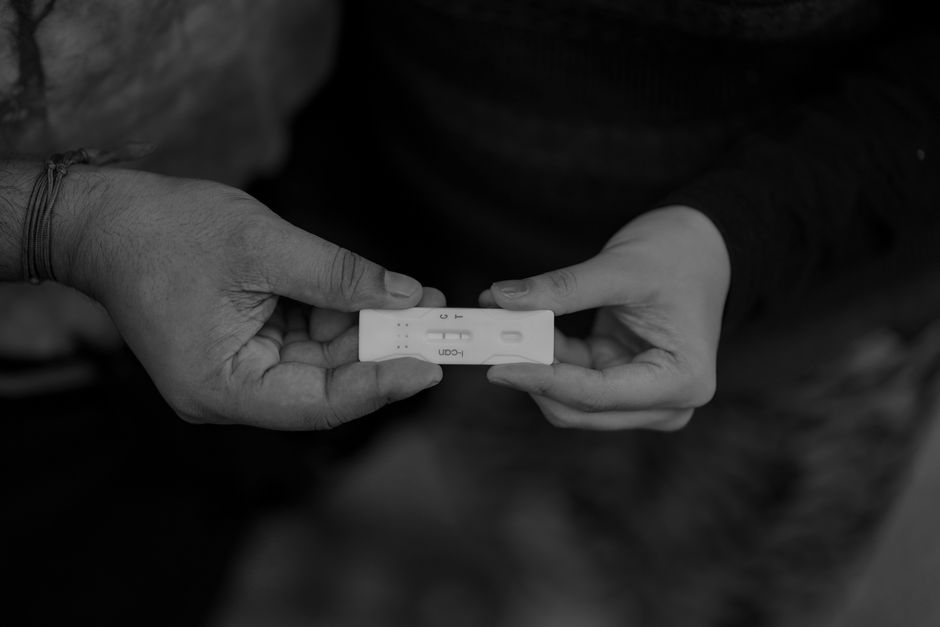
Getting tested for sexually transmitted infections (STIs) is simpler than most people expect. You can get tested at a doctor’s office, a community health clinic, a health department, or in some cases from home with a self-collection kit. Most visits take 15 to 30 minutes, and many tests only require a urine sample or a blood draw. Results typically come back within a few days, though some rapid tests give answers in about 20 minutes.
How To Get Tested For STIs: Where To Go And What To Expect
You have more options than you might think. The best place depends on your insurance, your budget, your privacy needs, and how quickly you want results.
Primary care doctor. If you have a regular doctor, this is often the easiest starting point. They can order tests, discuss results, and treat most STIs directly. Some people feel awkward bringing it up, but doctors ask about sexual health routinely. You can simply say you would like STI testing.
Community health clinics. Planned Parenthood and similar clinics offer STI testing on a sliding fee scale. Many provide free or low-cost testing regardless of insurance status. These clinics handle sexual health questions daily, so the staff is used to them.
Local health departments. City and county health departments commonly run STI clinics. Many offer free testing for common infections. Some specialize in confidential services for people without insurance.
At-home test kits. Several companies now sell kits you use at home and mail to a lab. These typically cover a limited number of infections, most often chlamydia, gonorrhea, and trichomoniasis. Some also test for HIV and syphilis. The main limits are cost, which insurance often does not cover for these kits, and the fact that you collect the sample yourself. If a result is positive, you still need a clinician for treatment.
Urgent care and telehealth. Urgent care centers can order tests. Telehealth services can arrange testing and, in some states, prescribe treatment after a positive result. Rules vary by state.
What actually happens during a visit is usually less involved than people fear. A typical STI appointment includes:
- A short conversation about your sexual history and any symptoms
- A urine sample, which covers chlamydia and gonorrhea for many people
- A blood draw for HIV, syphilis, and sometimes hepatitis
- A swab, only if you have symptoms or if the clinician recommends one for a specific site
Not every visit includes a physical exam. Many STI tests today are done entirely from urine and blood. That surprises a lot of people who put off testing because they expected something more invasive.
What Does An STI Test Actually Screen For?
There is no single test that covers everything. What you get tested for depends on what you ask for and what the clinician recommends.
Routine screening commonly covers:
- Chlamydia and gonorrhea — usually a urine test, or a swab from the throat or rectum depending on exposure
- HIV — a blood test, with rapid options available
- Syphilis — a blood test
- Trichomoniasis — often included in urine testing for people with vaginas
- Hepatitis B and C — blood tests, recommended for certain risk groups
Herpes is a common gap. Standard STI panels usually do not include herpes testing unless you have symptoms. The CDC does not recommend routine blood testing for herpes in people without symptoms, partly because the blood test can produce false results and cannot tell you when or where you were infected.
HPV is another gap. There is no routine HPV test for men. For people with cervixes, HPV testing is part of cervical cancer screening, typically starting at age 21 or 25 depending on the guideline you follow and done every few years rather than annually.
This is the part many people do not realize: if you want a specific test, you often have to ask for it. Saying “test me for everything” does not always mean everything. Ask which infections are included in the panel.
How Often Should You Get Tested?
There is no single schedule that fits everyone. Recommendations depend on your age, anatomy, and sexual history.
General guidance from public health agencies suggests annual testing for sexually active people in certain groups. For sexually active women under 25, yearly chlamydia and gonorrhea testing is widely recommended. For men who have sex with men, more frequent testing — sometimes every three to six months — is often advised because of higher rates of certain infections in that group.
HIV testing is recommended at least once for everyone between ages 13 and 64, and more often for people with ongoing risk factors.
Outside those groups, the right interval depends on factors like new partners, condom use, and whether a partner has other partners. If you are not sure, ask a clinician. They can help you build a schedule that fits your situation rather than guessing.
One point worth making: testing is not a judgment. It is a routine health check. Many infections have no symptoms at all, which is exactly why testing matters even when you feel fine.




How Long Do STI Test Results Take?
Timing varies by test and by where you go.
- Rapid HIV test: about 20 minutes, done in the office
- Urine tests for chlamydia and gonorrhea: usually 1 to 3 days
- Blood tests for syphilis and HIV: typically 1 to 5 days
- At-home kits: often 2 to 7 days after the lab receives your sample, plus shipping time
Some clinics call only if results are positive. If you do not hear back, do not assume you are clear. Ask what the clinic’s policy is and follow up if you have not heard within the expected window.
What Happens If A Test Comes Back Positive?
Most STIs are treatable, and several are curable. Chlamydia, gonorrhea, syphilis, and trichomoniasis are caused by bacteria or parasites and are cured with antibiotics or antiparasitic medication. HIV and herpes are not curable, but both are manageable with treatment, and modern HIV treatment can suppress the virus to levels that are undetectable and cannot be transmitted to partners.
If you test positive, two things usually happen. You get treatment, and you are asked about partners. Notifying partners matters because reinfection is common if a partner is not treated. Many health departments offer anonymous partner notification services, where they contact your partners without naming you.
Do not restart sexual activity until a clinician tells you it is safe. For bacterial infections, that usually means after you and your partner have completed treatment.
One clarification worth knowing: a positive result does not always mean a recent infection. Some infections can be present for months or years without symptoms. This is one reason routine testing matters more than testing only when something feels wrong.
What About Cost And Privacy?
Cost varies widely. Under the Affordable Care Act, most insurance plans must cover certain preventive services, including STI testing for chlamydia, gonorrhea, syphilis, and HIV, without a copay when recommended by a clinician. What counts as “recommended” can vary, so confirm with your plan.
If you do not have insurance, options exist. Health department clinics often provide free or low-cost testing. Many community clinics use sliding scales based on income. At-home kits usually cost between $50 and $200 out of pocket, and insurance coverage for these is inconsistent.
Privacy is protected by law in most cases. STI test results are part of your medical record, and clinics cannot share them without your consent except where public health reporting is required. Certain infections, like syphilis and HIV, must be reported to public health agencies by name in most states. That reporting is confidential and used for tracking and partner services, not shared publicly.
Frequently Asked Questions
Can I get tested for STIs without insurance?
Yes. Health department clinics and community health centers offer free or low-cost testing on a sliding scale. You do not need insurance to be tested at most public clinics.
Do I need to fast or prepare for an STI test?
No fasting is required for STI testing. For a urine test, you may be asked to hold your urine for about an hour beforehand so the sample is more concentrated.
How long after exposure should I get tested?
It depends on the infection. Some tests can detect infection within days, while others need a few weeks to become accurate. Ask a clinician for timing based on what you were exposed to.
Will my parents or partner find out?
In most states, STI testing and treatment for minors can be confidential, though laws vary. For adults, results are protected by medical privacy rules and are not shared with partners without your consent, except where public health reporting applies.
