

Your doctor asks for a urine sample, and the instructions say to collect it first thing in the morning. This is not a random preference. Early morning urine is the most concentrated and accurate sample you can provide for most tests. After several hours in your bladder overnight, the urine contains higher levels of substances that doctors use to detect disease, pregnancy, and other health conditions. A sample taken later in the day is often too diluted to give reliable results.
Why Is Early Morning Urine The Best Sample To Be Tested?
Early morning urine is the best sample because it is the most concentrated urine your body produces. When you sleep, your body slows down urine production. The urine that collects in your bladder overnight has been sitting there for six to eight hours. During that time, your kidneys continue to filter your blood, and the waste products and other substances build up in the bladder without being diluted by fluids you drink during the day.
This concentration matters for many tests. Chemicals like protein, glucose, and hormones are present in higher amounts in concentrated urine. When a lab tests a diluted sample, these substances may fall below the detection limit of the test. The result comes back as “negative” even though the substance is actually present in your body. Early morning samples reduce the chance of a false negative.
The overnight collection period also gives the test a more consistent baseline. Urine produced after drinking coffee, eating breakfast, or taking medications reflects those recent activities. Morning urine reflects your body’s steady overnight state, which is more representative of your overall health.
Which Tests Require Early Morning Urine?
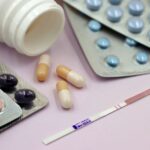
Pregnancy tests work best with first morning urine. The pregnancy hormone hCG is most concentrated after you have not urinated for several hours. Testing later in the day, especially after drinking fluids, can dilute the hormone below the test’s detection threshold. This is why many home pregnancy test instructions specifically recommend testing first thing in the morning.
Urinalysis for kidney disease often requires a morning sample. Doctors look for protein, blood, and other markers that indicate kidney damage. These markers are easier to find in concentrated urine. If you have kidney disease but provide a diluted afternoon sample, the test may miss the protein entirely.
Urine culture tests for urinary tract infections also benefit from morning collection. Bacteria multiply in urine that has been in the bladder overnight. A morning sample gives the lab a better chance of identifying the specific bacteria causing your infection. Some research suggests that first morning urine has higher bacterial counts, which improves the accuracy of the culture.
Tests for certain hormones and their breakdown products require morning urine. Cortisol, catecholamines, and some steroid hormones are measured in 24-hour urine collections, but when a single sample is needed, morning is preferred. The concentration of these substances is highest after the overnight fasting period.
What Happens When You Use A Random Sample?
Random urine samples collected later in the day are not useless. They can detect many conditions, especially when the abnormality is severe. But they miss subtle changes. A random sample taken after drinking several glasses of water may be so dilute that the lab cannot accurately measure anything in it.
This dilution problem is common. Many people drink fluids throughout the day, and each glass of water or cup of coffee makes the urine less concentrated. By afternoon, your urine may be 90 percent water. Lab tests that depend on measuring concentration — like specific gravity, protein levels, or microscopic analysis — become unreliable with such dilute samples.
There is also the issue of timing. If you eat a meal high in sugar, your urine glucose may spike temporarily. If you take a vitamin supplement, your urine may briefly contain large amounts of that vitamin. These transient changes do not reflect your usual health status. Morning urine avoids many of these daily fluctuations.
For some tests, however, a random sample is perfectly fine. Rapid urine dipstick tests for infection screening, drug testing, and monitoring certain medications can use urine collected at any time of day. The key is that the test must be designed to work with random samples. When a test requires morning urine, there is usually a good reason related to concentration or timing.

How Should You Collect A Morning Urine Sample?
Proper collection technique matters as much as timing. The standard method is called a clean catch. This reduces contamination from bacteria on your skin, which can confuse test results.
Start by washing your hands. For women, spread the labia and clean the area from front to back with the provided wipe. For men, retract the foreskin if present and clean the tip of the penis. Begin urinating into the toilet, then catch the middle portion of the stream in the sterile cup. Finish urinating into the toilet. This midstream sample is the part least likely to contain skin bacteria.
Cap the container tightly and label it with your name and the date and time of collection. Most labs require the sample to arrive within one to two hours of collection. If you cannot get it to the lab quickly, refrigerate it. Do not freeze it, and do not leave it at room temperature for extended periods. Bacteria multiply in warm urine, which can change the test results.
If you wake up in the middle of the night and urinate, that affects your morning sample. The urine you collect when you wake up will have only been in your bladder for a few hours. Some doctors advise waking early enough to collect the sample before your bladder has been empty for long. If you routinely get up to urinate at 3 a.m., your morning sample will be less concentrated than someone who sleeps through the night.
Does Drinking Water Before The Test Matter?
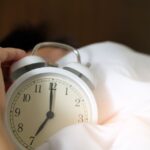
You should not drink large amounts of water before collecting a morning urine sample. The whole point of the morning sample is that it is concentrated. Drinking water right after waking up will dilute the urine before you collect it.
Most guidelines recommend collecting the sample immediately upon waking, before eating or drinking anything. If you are severely dehydrated, your body may not produce enough urine for a sample. In that case, drinking a small amount of water is acceptable, but the sample will be less ideal. Tell your doctor if you had to drink water to produce the sample.
Food also affects urine composition. Certain foods can change the color, odor, or chemical content of urine. Asparagus, beets, and some vitamins produce noticeable changes. Collecting before breakfast avoids these food-related effects.
Are There Tests Where Morning Urine Is Not Needed?
Yes. Some tests specifically require random or timed samples. A 24-hour urine collection asks you to discard the first morning urine and collect everything after that for a full day. This test measures total output of substances like protein or creatinine over a complete day, not the concentration at one moment.
Drug screening tests often use random samples because they are checking for recent substance use. The timing of the sample matters less than the detection window of the drug. Some workplace drug tests even prefer afternoon samples to catch substances used the night before.
Urine tests for certain infections may use any sample. A rapid strep test or a urine antigen test for Legionella does not require morning collection. The organism or its markers are present regardless of urine concentration.
The key is to follow the specific instructions your doctor or the testing laboratory gives you. If they say any time of day is fine, use a random sample. If they request first morning urine, there is a reason — usually because the test is more accurate with a concentrated sample.
What If You Cannot Provide A Morning Sample?
Sometimes life gets in the way. You forget, you slept elsewhere, or you already urinated before remembering the appointment. Do not panic and do not try to force a sample by drinking large amounts of water. A dilute sample is worse than a late sample.
Tell your doctor or the lab that you cannot provide a morning sample. They may reschedule the test or accept a random sample with the understanding that results may be less sensitive. For some tests, like a routine urinalysis during an annual physical, a random sample is acceptable because the test is a screening tool, not a diagnostic one.
If you are testing for a urinary tract infection and you have symptoms, a random sample can still detect the infection. The bacteria are usually present in high numbers even in diluted urine when an infection is active. The morning sample is preferred but not always essential.
The most important thing is to be honest about when you collected the sample. Labs can interpret results differently based on whether the urine is concentrated or dilute. If the lab thinks your sample is morning urine but it was actually collected after you drank three cups of coffee, the results may be misleading.
Frequently Asked Questions
Can I drink water before giving a morning urine sample?
No, you should not drink water before collecting a morning urine sample because it dilutes the urine and reduces test accuracy. Collect the sample immediately upon waking before eating or drinking anything.
How long can morning urine sit before testing?
Morning urine should be tested or delivered to the lab within one to two hours of collection. If you cannot deliver it quickly, refrigerate the sample to slow bacterial growth and preserve accuracy.
Is afternoon urine acceptable for a pregnancy test?
Afternoon urine can work for pregnancy tests, but it may give a false negative if the urine is diluted. First morning urine has the highest concentration of the pregnancy hormone hCG, making it the most reliable sample.
Why do I need a midstream urine sample?
A midstream sample reduces contamination from bacteria and cells on your skin that can confuse test results. The first part of the urine stream flushes away surface contaminants, so the middle portion is the cleanest sample.
