
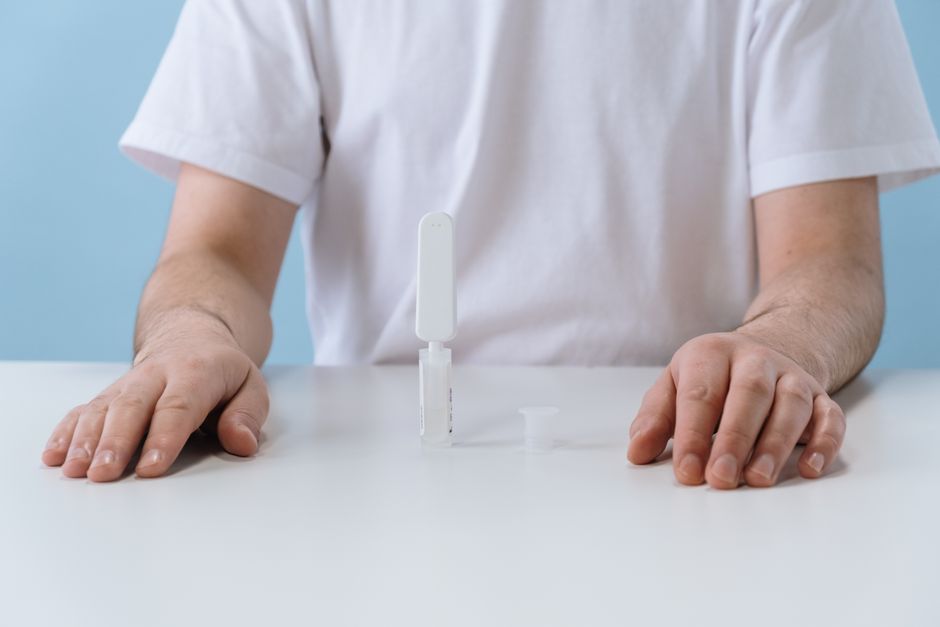
Chlamydia testing is simple, quick, and available without a pelvic exam in most cases. You can get tested at a clinic, a doctor’s office, a health department, or with an at-home kit that you use yourself and mail to a lab. The test itself usually means giving a urine sample or swabbing the vagina, and results typically come back within a few days to a week.
Here is how each option works, what the test actually measures, and what to do based on the result.
How To Get Tested For Chlamydia At Home Or Clinic
Both routes use the same underlying lab technology, called a nucleic acid amplification test, or NAAT. This test detects the DNA of the bacterium Chlamydia trachomatis. It is the standard method used across US clinics and commercial labs.
At a clinic, a nurse or clinician collects the sample. At home, you collect it yourself using the kit’s instructions and mail it in. The sample type is what matters most, and it depends on your anatomy and what site needs checking.
- Urine test: The most common option. You urinate into a cup. For people with a penis, this is the standard sample. For people with a vagina, urine can detect a cervical or urethral infection but may miss some cases compared with a vaginal swab.
- Vaginal swab: You or a clinician insert a swab into the vagina. This is often the preferred sample for people with a vagina because it can be more sensitive than urine.
- Rectal or throat swab: Used when there is a chance of infection at those sites, which is common with certain sexual practices. These sites do not show up on a urine test.
A key point many people miss: a urine test does not check the throat or rectum. If you have had receptive anal or oral sex, tell the clinician so the right sites get swabbed. At-home kits vary in which sites they cover, so read what the kit actually tests.
You do not need to fast. You do not need to stop any medications. For a urine sample, many clinics ask that you not urinate for about an hour or two beforehand so the sample is concentrated enough to detect the bacteria.
What Does An At-Home Chlamydia Test Involve?
At-home testing generally falls into two models. In the first, you order a kit, collect the sample at home, and mail it to a lab. In the second, you visit a lab or clinic for sample collection after ordering online. Both route your sample to a certified lab that runs the NAAT.
For a home urine kit, you typically collect a first-catch urine sample — the first part of your urine stream, not the middle or end. This matters because the bacteria are more concentrated in that initial flow. The kit will include a collection cup, a tube or preservative, a sealable bag, and a prepaid mailer in most cases.
For a home vaginal swab, you insert a swab a short distance into the vagina, rotate it, and place it in the provided tube. The instructions are written for people with no medical training.
Results usually arrive through a secure online portal, an app, or a phone call. Turnaround is commonly a few business days after the lab receives your sample, though it can take longer.
One limitation worth knowing: at-home kits are only as good as the sample you collect and the sites they cover. If a kit only offers a urine test, it will not detect a throat or rectal infection. Some kits let you add extra swabs for those sites. Check before you buy.
Where Can You Get Tested In Person?
In-person testing is widely available and often free or low-cost. Options include:
- Your primary care doctor: Convenient if you already have one, and results go into your medical record.
- Health departments: Many local and state health departments offer free or low-cost testing, sometimes on a walk-in basis.
- Planned Parenthood and similar clinics: Offer testing, often on a sliding-scale fee.
- Urgent care centers: Can collect samples, though not all run chlamydia tests on site.
- Pharmacies and retail clinics: A growing number offer testing or referrals.
In-person testing has one clear advantage: a clinician can swab the right sites, including the throat and rectum, and can test for other infections at the same time. Chlamydia often travels with gonorrhea, and testing for both is common practice.
Cost varies. Under the Affordable Care Act, most insurance plans must cover chlamydia screening without a copay when it is recommended. Many public health clinics offer testing at no cost regardless of insurance status.




Who Should Get Tested And How Often?
Screening recommendations come from public health bodies and are based on risk. The general guidance for sexually active people is:
- Sexually active women age 25 and younger should be screened annually.
- Women older than 25 should be screened if they have risk factors, such as a new sex partner, more than one partner, a partner with an infection, or a history of another sexually transmitted infection.
- Pregnant women should be screened, because chlamydia can pass to the baby during delivery.
- Sexually active men who have sex with men should be screened at least annually, with testing at the urethra, rectum, and throat based on exposure.
- Anyone with symptoms or a known exposure should be tested regardless of age or routine schedule.
These are general screening guidelines. Your own clinician may adjust the timing based on your situation.
Chlamydia is often called a “silent” infection because most people have no symptoms. When symptoms do appear, they can include unusual discharge, burning during urination, or pelvic or testicular pain. Because so many cases cause no symptoms at all, waiting for symptoms is not a reliable way to know whether you need a test.
How Accurate Are These Tests?
The NAAT is highly accurate when the sample is collected correctly from the right site. It is considered the most sensitive and specific test available for chlamydia, which is why it replaced older culture-based methods.
Accuracy depends on a few things:
- Sample type: A vaginal swab tends to detect more infections than a urine sample in people with a vagina. A urine test will not find a throat or rectal infection.
- Timing: Testing too soon after exposure can produce a false negative because the bacteria may not have multiplied enough to be detected. Many clinicians suggest waiting about one to two weeks after a possible exposure before testing.
- Collection technique: A poorly collected sample can miss an infection. This applies to both home and clinic testing.
No test is perfect. False negatives can happen, especially with wrong timing or the wrong sample site. If you have symptoms or a strong reason to suspect exposure, a negative result does not always rule out infection, and repeat testing may be advised.
What Happens If Your Test Is Positive?
Chlamydia is curable with antibiotics. The two most commonly prescribed regimens are a single dose of azithromycin or a week of doxycycline. Which one a clinician chooses can depend on the site of infection and other factors. Recent guidance has leaned toward doxycycline for some infections, but the choice is a clinical decision.
Two things matter after a positive result:
- Treat your partners. Current sex partners should be tested and treated to prevent reinfection. Many clinics offer partner treatment without requiring the partner to be seen.
- Wait before resuming sex. You and your partner should finish treatment and wait until the infection has cleared before having sex again. Your clinician will tell you the exact timing.
Reinfection is common if partners are not treated. Getting tested again a few months after treatment is often recommended, because a repeat infection is possible even if you were cured the first time.
Untreated chlamydia can lead to serious complications, including pelvic inflammatory disease in women, which can cause chronic pain and fertility problems. In men, it can cause epididymitis, an inflammation of the tube at the back of the testicle. This is why testing and treatment matter even when there are no symptoms.
Which Testing Option Should You Choose?
There is no single best answer. The right choice depends on your situation.
| Factor | At-Home Kit | In-Person Clinic |
|---|---|---|
| Privacy | High | Varies |
| Cost | Often out of pocket | Often covered or free |
| Site coverage | Limited by kit | Can swab throat and rectum |
| Other STI testing | Depends on kit | Usually available |
| Clinician support | Limited | Direct |
At-home testing can be a good fit if you want privacy, have no symptoms, and only need urine or vaginal testing. In-person testing is a better fit if you need throat or rectal swabs, want to be checked for multiple infections at once, have symptoms, or want a clinician to guide treatment.
If cost is a barrier, public health clinics and health departments are often the most affordable route. If privacy is the main concern, at-home kits remove the need to visit a clinic in person.
Frequently Asked Questions
Can I get tested for chlamydia without a pelvic exam?
Yes. A urine test or a self-collected vaginal swab can detect chlamydia without a pelvic exam. A pelvic exam is only needed if a clinician is checking for other conditions.
How long after exposure should I get tested for chlamydia?
Many clinicians suggest waiting about one to two weeks after a possible exposure, because testing too soon can give a false negative. If you have symptoms, get tested right away.
Are at-home chlamydia tests as accurate as clinic tests?
They use the same lab technology, so accuracy is similar when the sample is collected correctly. The main difference is that at-home kits may not cover throat or rectal sites.
Can a urine test detect chlamydia in the throat or rectum?
No. A urine test only checks the urethra, so it will not find a throat or rectal infection. Those sites require a separate swab.
