
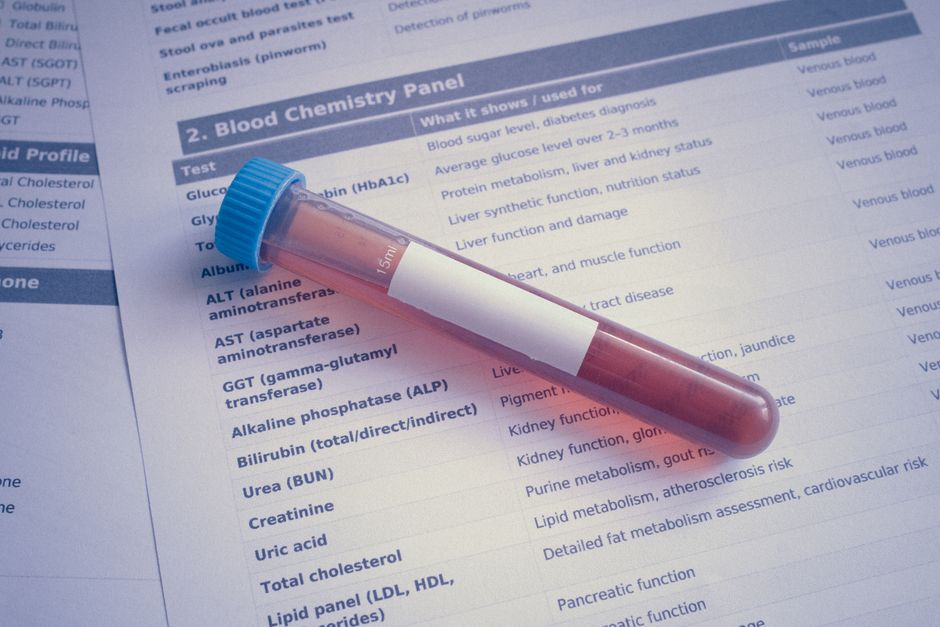
A urinalysis is a simple test that examines a sample of your urine. It checks for substances and cells that can signal health conditions, from urinary tract infections to kidney disease and diabetes. The test looks at three main things: the physical appearance of the urine, its chemical makeup, and what is visible under a microscope.
Why Do Doctors Order a Urinalysis?
Doctors use urinalysis for three main reasons. A routine checkup may include one to screen for early signs of disease. If you have symptoms like pain when urinating, blood in your urine, or lower back pain, a urinalysis helps find the cause. It is also used to monitor conditions that are already diagnosed, such as kidney disease or diabetes.
The test is quick, painless, and requires no special preparation in most cases. You simply provide a urine sample in a sterile cup. For some tests, a doctor may ask for a “clean catch” sample, which means cleaning the genital area before urinating to avoid contamination.
What Is Tested In A Urinalysis: The Physical Exam
The first part of a urinalysis is done by looking at the urine directly. This checks the color and clarity. Normal urine ranges from pale yellow to deep amber. The color comes from a pigment called urochrome, which is produced when the body breaks down hemoglobin.
Cloudy urine can indicate an infection, but it can also be caused by harmless things like sperm, skin cells, or certain foods. Red or brown urine may signal blood, but beets, rhubarb, and some medications can also change urine color. The physical exam is helpful, but it is never enough alone to make a diagnosis.
The Chemical Analysis: The Dipstick Test
A thin plastic strip with chemical pads is dipped into the urine sample. The pads change color based on what is present in the urine. This is called a dipstick test, and it checks for several key markers at once.
pH level measures how acidic or alkaline your urine is. Normal urine is slightly acidic, usually around a pH of 6. A very high or very low pH can point to kidney stones, urinary tract infections, or other metabolic issues.
Protein should not be present in significant amounts in healthy urine. Your kidneys normally filter waste but keep proteins in the blood. When protein shows up in urine, it can signal kidney damage. This is especially important for people with diabetes or high blood pressure.
Glucose is sugar that your kidneys usually reabsorb into the blood. If glucose appears in urine, your blood sugar is likely too high. This is often an early sign of diabetes, though it can also occur during pregnancy.
Ketones are acids produced when your body burns fat instead of glucose for energy. They appear in urine during fasting, very low-carb diets, heavy exercise, or when diabetes is poorly controlled.
Bilirubin is a waste product from the breakdown of red blood cells. Its presence in urine can indicate liver disease or bile duct blockage. This is not the same as urobilinogen, which is also checked and can be elevated in liver conditions or hemolysis.
Nitrites are produced by certain bacteria that cause urinary tract infections. If nitrites are present, it strongly suggests a bacterial infection. However, not all bacteria produce nitrites, so a negative result does not rule out an infection.
Leukocyte esterase is an enzyme found in white blood cells. Its presence in urine suggests inflammation or infection somewhere in the urinary tract. This marker is often positive when a urinary tract infection is present.
Blood in urine can appear for many reasons. Kidney stones, infections, trauma, and kidney disease can all cause blood to show up on a dipstick. Even small amounts invisible to the naked eye can be detected this way.





The Microscopic Exam: Looking at Cells and Casts
When the dipstick shows abnormal results, or when a doctor specifically requests it, the urine sample is spun in a centrifuge. This concentrates the solid material at the bottom of the tube. A technician then examines this sediment under a microscope.
Red blood cells can confirm blood in the urine. The shape of these cells can give clues about whether the blood came from the kidneys or from lower in the urinary tract.
White blood cells indicate infection or inflammation. Large numbers typically mean a urinary tract infection, but they can also appear with kidney inflammation.
Bacteria seen under the microscope support a diagnosis of infection. The presence of bacteria along with white blood cells makes a urinary tract infection very likely.
Casts are tube-shaped proteins that form in the tiny filters of the kidneys. They take the shape of the tubule where they formed. Different types of casts point to different kidney conditions. For example, red blood cell casts suggest glomerulonephritis, a specific type of kidney inflammation. White blood cell casts suggest pyelonephritis, a kidney infection.
Crystals can form from minerals in your urine. Some crystals are harmless, while others can lead to kidney stones. The type of crystal matters. Uric acid crystals form in acidic urine, while calcium phosphate crystals form in alkaline urine.
Epithelial cells line your urinary tract and naturally shed into urine. A few are normal. Large numbers can suggest infection or inflammation, but contamination from the skin is also common.
How to Prepare for a Urinalysis
For most urinalysis tests, no special preparation is needed. However, certain things can affect your results. Intense exercise within 24 hours before the test can cause protein or blood to appear in your urine. Some vitamins, especially vitamin C, can interfere with dipstick readings.
Tell your doctor about all medications and supplements you take. Some drugs change urine color. Others affect specific markers on the dipstick. If you are menstruating, let your doctor know, as blood can contaminate the urine sample.
For the most accurate results, provide a midstream sample. This means letting the first bit of urine go into the toilet, then collecting the middle portion in the cup. This reduces contamination from bacteria and cells on the skin.
What Do Abnormal Results Mean?
An abnormal urinalysis result does not automatically mean you have a disease. Many factors can cause temporary or false abnormalities. Dehydration can concentrate urine and cause protein to appear. A contaminated sample can show bacteria that are not actually in your bladder.
Your doctor will interpret urinalysis results in the context of your symptoms, medical history, and other tests. A single abnormal result often leads to a repeat test or more specific testing. For example, if protein is found, your doctor may order a test that measures the exact amount of protein in a 24-hour urine collection.
Some abnormalities require immediate attention. Significant blood in the urine, especially with pain or fever, needs prompt evaluation. High glucose levels with ketones require urgent medical care, as this combination can indicate a dangerous condition called diabetic ketoacidosis.
Limitations of a Urinalysis
A urinalysis is a screening test, not a definitive diagnostic tool. It can tell your doctor that something may be wrong, but it often cannot tell exactly what that something is. A positive nitrite test strongly suggests a bacterial infection, but a urine culture is needed to identify the specific bacteria and determine which antibiotics will work.
False negatives also occur. A dilute urine sample may hide protein or cells. Some infections do not produce detectable nitrites. If your symptoms persist but your urinalysis is normal, your doctor may order additional tests. These could include a urine culture, blood tests, or imaging studies like an ultrasound or CT scan.
Research consistently shows that urinalysis is most valuable when combined with a clinical assessment. The test supports a diagnosis; it does not replace a doctor’s judgment.
Frequently Asked Questions
Do I need to fast before a urinalysis?
No, fasting is not required for a standard urinalysis. However, eating certain foods like beets or asparagus can temporarily change urine color or odor.
Can a urinalysis detect a urinary tract infection?
Yes, a urinalysis can strongly suggest a urinary tract infection if nitrites or leukocyte esterase are present. A urine culture is needed to confirm the infection and identify the specific bacteria.
How long does it take to get urinalysis results?
Results from the physical and chemical parts are often available within minutes. The microscopic exam may take a bit longer, but most results are ready within a few hours to one day.
Can I drink water before a urinalysis?
Yes, drinking water before a urinalysis is generally fine. Very excessive water intake can dilute your urine and make some results less reliable.
