
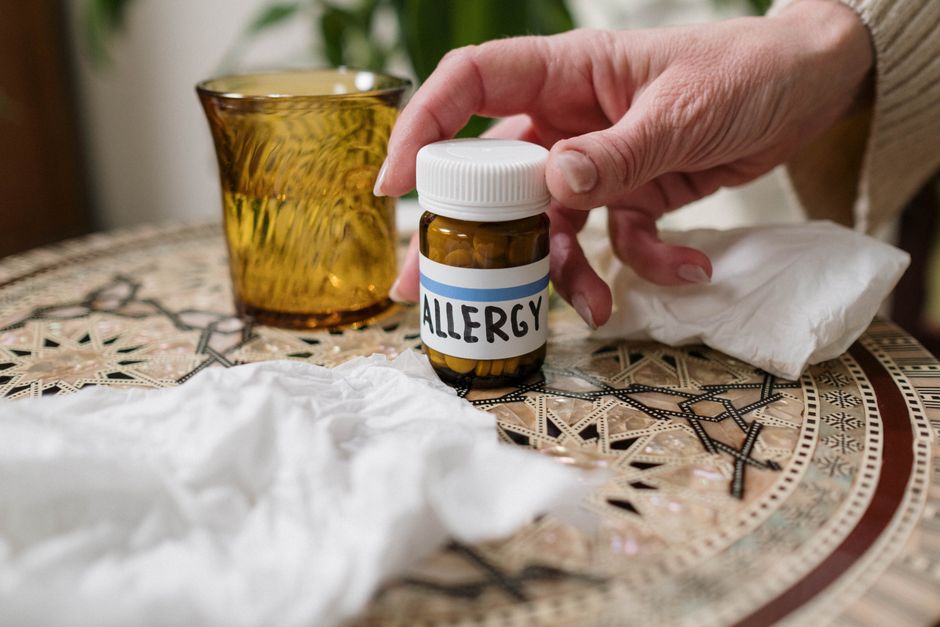
Getting tested for allergies usually starts with a visit to a primary care doctor or an allergist, who asks about your symptoms and history before deciding which test makes sense. From there, you may get a skin prick test, a blood test, or occasionally a supervised food challenge. Most people finish the whole process in one or two appointments, and results are typically ready within days.
How To Get Tested For Allergies: What To Expect From Start to Finish
The path to an allergy diagnosis is more structured than most people realize. It is not a single test that gives a yes or no answer. It is a process of matching your symptoms to a specific trigger.
Your first appointment is mostly conversation. The doctor will ask when symptoms happen, how long they last, and what seems to set them off. They will also want to know your medical history and whether allergies run in your family. This step matters because allergy tests are easy to misread without context. A positive result only means something if it lines up with symptoms you actually have.
After that history, the doctor picks a test. The choice depends on your age, your symptoms, your skin condition, and what you are able to stop taking beforehand. Some medications interfere with skin testing. Others do not affect blood tests.
Here is the general sequence most people go through:
- Talk with a doctor about symptoms and history
- Choose a test method based on your situation
- Prepare by pausing certain medications if needed
- Take the test, usually in a clinic
- Review results with the doctor and connect them to real-life symptoms
The results review is not a formality. It is where the testing actually becomes useful. A number on a lab report does not tell you what to avoid. Your doctor does that by combining the result with your history.
What Happens During a Skin Prick Test?
A skin prick test is the most common allergy test in the United States. It is fast, and results appear within about 15 to 20 minutes.
The nurse or doctor places small drops of allergen extract on your forearm or back. Each drop is a different potential allergen, such as pollen, dust mites, pet dander, or certain foods. Then they lightly prick the skin through each drop with a small plastic or metal device. It does not draw blood and does not inject into the skin. It just lets a tiny amount of the extract sit just below the surface.
Two control spots are usually included. One is a histamine control, which should cause a small bump in almost everyone. The other is a saline control, which should cause no reaction. These controls help confirm the test is working properly.
If you are allergic to something, a small raised, red, itchy bump appears at that spot. The medical term is a wheal. The size of the bump is measured in millimeters.
It is not painful for most people, though the itching can be annoying for a short time. The reaction fades on its own within an hour or so.
What the results mean
A larger bump generally suggests a stronger sensitivity. But size alone does not diagnose an allergy. Some people react on a skin test to something they eat or touch every day with no symptoms at all. That is why the doctor compares the results to your actual experiences.
What Is an Allergy Blood Test and When Is It Used?
A blood test measures specific antibodies called immunoglobulin E, or IgE, that your immune system makes in response to allergens. The most common version is called a specific IgE test.
Blood tests are useful when skin testing is not practical. That includes people with severe eczema or other skin conditions that make reading a skin test difficult. It also includes people who cannot stop taking antihistamines or certain other medications for safety or health reasons. Sometimes a doctor orders a blood test simply because a skin test was unclear.
One advantage of a blood test is that it does not require any medication changes beforehand. One disadvantage is that results usually take longer, often a few days to a week. It also tends to cost more than skin testing.
Neither test is better in every case. They measure related things in different ways, and both can produce false positives and false negatives.





Why Your Doctor May Order a Food Challenge
A food challenge is the most definitive way to confirm or rule out a food allergy. It is also the one that requires the most caution.
During a food challenge, you eat small, increasing amounts of the suspected food under close medical supervision. The doctor watches for any reaction and is prepared to treat one immediately. This is done in a clinic or hospital setting, never at home.
Food challenges are typically used when skin or blood tests are unclear or when a doctor suspects a previous reaction was not a true allergy. They can also be used to see whether a child has outgrown an allergy.
Because there is a real risk of a serious reaction, this test is only done when the potential benefit justifies that risk. It is not a routine first step.
How Should You Prepare for an Allergy Test?
Preparation mostly comes down to medications and timing.
Antihistamines can block skin test reactions and lead to false results. Your doctor will tell you how long to stop taking them before a skin prick test. The exact timing depends on which antihistamine you use, so follow your doctor’s specific instructions rather than guessing.
Some other medications also interfere with skin testing. These include certain antidepressants and some medications used for acid reflux or heartburn. Do not stop any prescription medication on your own. Call your doctor’s office and ask.
Blood tests do not require these medication changes.
A few other practical points:
- Wear a short-sleeved shirt so your forearm is easy to reach
- Avoid heavy moisturizer or lotion on the test area that day
- Tell the staff if you are pregnant or have any heart condition
- Bring a list of all medications and supplements you take
If you have ever had a severe allergic reaction, tell the clinic when you book the appointment. They may adjust how they plan your visit.
How Long Does Allergy Testing Take and What Does It Cost?
A skin prick test itself takes about 20 to 40 minutes from start to finish, including the wait time for results. A blood draw takes only a few minutes, but you wait days for the results.
Cost varies widely. It depends on your insurance, how many allergens are tested, and where you live. Testing many allergens costs more than testing a few. If cost is a concern, ask the clinic for an estimate before the appointment. Many offices can provide one.
It is worth knowing that testing for a large panel of allergens “just in case” is not recommended. More tests increase the chance of false positives, which can lead to unnecessary worry and unnecessary food avoidance. Good testing targets the allergens that match your symptoms.
What Allergy Testing Cannot Tell You
This is where a lot of confusion happens.
An allergy test does not measure how severe your reaction will be. A positive result does not predict whether you will have a mild rash or a life-threatening reaction. It only shows that your immune system has made IgE antibodies to that substance.
A positive test also does not always mean you have a real allergy. Many people test positive to things they tolerate without any problem. This is called sensitization, and it is different from a true allergy.
There is also a category of tests that are not supported by good evidence. These include some applied kinesiology tests, hair analysis, and certain “electrodermal” screenings. Major allergy organizations do not recommend them for diagnosing allergies. If a provider offers a test that does not involve your skin, blood, or a supervised food challenge, ask what evidence supports it.
The bottom line is that a test result is only one piece of the picture. Your symptoms and history are the other, equally important piece.
When Should You See an Allergist Instead of Your Primary Doctor?
Your primary care doctor can handle many straightforward allergy cases. But an allergist, also called an immunologist, has specialized training in these conditions.
Consider seeing an allergist if:
- Your symptoms are severe or getting worse
- Over-the-counter treatments are not controlling your symptoms
- You have had a serious reaction, such as trouble breathing or swelling
- You have multiple allergies or complex symptoms
- You are considering allergy shots or other long-term treatment
An allergist can also help sort out whether your symptoms are truly allergy-related. Some conditions, like non-allergic rhinitis or chronic sinus problems, can look like allergies but do not respond to allergy treatment.
Frequently Asked Questions
How long does it take to get allergy test results?
Skin prick test results appear within about 15 to 20 minutes during the appointment. Blood test results usually take a few days to a week because the sample is sent to a lab.
Do I need to stop taking antihistamines before allergy testing?
Yes, antihistamines can block skin test reactions and cause false results, so your doctor will tell you how long to stop them beforehand. Blood tests do not require this change.
Can allergy tests tell how severe my reaction will be?
No, allergy tests show whether your immune system has made antibodies to a substance, not how severe a future reaction would be. Only your symptom history and a doctor’s evaluation can help assess that risk.
Is allergy testing painful?
A skin prick test involves a light scratch on the skin and is not painful for most people, though the spots may itch briefly. A blood test feels like a standard blood draw.
