
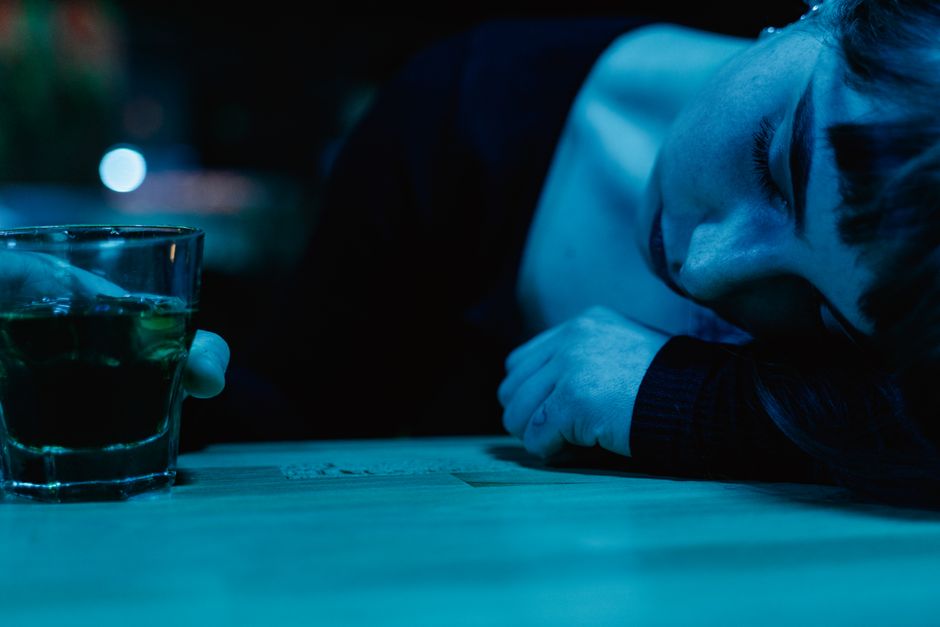
There is no switch that turns off alcohol’s effects. The only thing that truly sobers you up is time — your liver processes alcohol at a fairly fixed rate, and nothing you eat, drink, or do will speed that up. What you can do is stay safe, avoid things that make it worse, and know when to get medical help.
This guide explains what actually happens in your body when you drink, why coffee and cold showers do not work, and how to tell the difference between being drunk and being in danger.
How Does Your Body Get Rid of Alcohol?
Your liver does almost all of the work, and it works at its own pace no matter what you do.
When you drink, alcohol is absorbed mainly through the small intestine into your bloodstream. From there it travels to your liver, which breaks it down in two main steps. First, an enzyme called alcohol dehydrogenase converts alcohol into a substance called acetaldehyde. Acetaldehyde is toxic and is largely responsible for hangovers. A second enzyme, aldehyde dehydrogenase, then converts acetaldehyde into acetate, which your body can use for energy and eventually break down into carbon dioxide and water.
The important point is the rate. For most people, the liver clears roughly one standard drink per hour. A standard drink in the US is 12 ounces of regular beer, 5 ounces of wine, or 1.5 ounces of distilled spirits. A few factors shift this a little — body size, liver health, genetics, and whether you have eaten — but the change is modest. You cannot train your liver to go faster. You cannot outrun it.
A small amount of alcohol also leaves the body unchanged through breath, sweat, and urine. That is why breath tests work. But this amount is tiny compared with what the liver handles.
Why Doesn’t Coffee or a Cold Shower Sober You Up?
Coffee makes you a more alert drunk person. It does not make you a less drunk person.
This is one of the most persistent myths about alcohol. Caffeine is a stimulant. It can make you feel more awake and focused. But it does nothing to lower your blood alcohol concentration, which is the actual measure of how impaired you are. Your reaction time, judgment, and coordination stay just as impaired. In some cases this is worse than being sleepy and drunk, because you feel capable of things you are not capable of — like driving.
Cold showers, fresh air, slapping your face, drinking water, and eating bread all fall into the same category. They might make you feel slightly better or more awake. None of them remove alcohol from your blood. Only time and your liver do that.
This matters because feeling sober and being sober are two different things. Your brain’s ability to judge your own impairment is one of the first things alcohol takes away.
How To Get Sober When Drunk: What Actually Helps
Since you cannot speed up the liver, the goal shifts from “getting sober fast” to “staying safe until you are sober.”
Here is what genuinely helps:
- Stop drinking. Every additional drink adds to the total your liver has to clear. This is the single most useful step.
- Drink water. This does not lower your blood alcohol, but alcohol is a diuretic and dehydration makes hangovers and headaches worse. Water helps with that, not with sobriety.
- Eat something. Food in your stomach slows how fast alcohol is absorbed, but only if eaten before or while drinking. Eating after the fact does not undo what is already in your blood.
- Sit down and stay warm. Alcohol lowers body temperature and affects balance. Falling is a real risk.
- Stay with someone. Do not be alone if you have had a lot to drink. Someone needs to be able to check on you and call for help if things turn.
- Sleep it off — but carefully. Sleep is fine once you are stable. The danger is that a very drunk person can vomit in their sleep and choke. If someone is deeply intoxicated, they should not be left to sleep alone on their back without being checked on.
Notice what is not on this list. There is no food, drink, pill, or trick that removes alcohol from your bloodstream faster than your liver already does.


When Is Being Drunk a Medical Emergency?
Alcohol poisoning kills people, and it does not always look dramatic. Knowing the signs matters more than knowing any sobering trick.
Call 911 if you see any of these in someone who has been drinking:
- Confusion or stupor — they cannot be woken or respond normally
- Vomiting while not fully awake
- Slow or irregular breathing — fewer than about 8 breaths per minute, or gaps of more than 10 seconds between breaths
- Cold, clammy, pale, or bluish skin
- Seizures
- Low body temperature
Do not wait to see if they “sleep it off.” Alcohol poisoning can progress quickly, and the line between very drunk and dangerously drunk is not always obvious. It is far better to call for help and be wrong than to wait and be right too late. In the US, most states have Good Samaritan laws that protect people who call for medical help for someone who is overdosing, though the details vary by state.
Never try to make someone throw up, give them coffee, or put them in a cold shower. These can cause choking, injury, or shock.
How Long Does It Take to Sober Up?
There is no single number, because it depends on how much you drank, your body size, and your liver. But the one-drink-per-hour rule gives a rough sense.
If your blood alcohol concentration is 0.08 — the legal driving limit in all 50 US states — it typically takes several hours for a person of average size to return to zero. Someone who is smaller, older, or has liver disease may take longer. Someone who drank heavily over a long period may still be impaired many hours later, even after sleeping.
This is why “I slept, so I’m fine” is a risky assumption. You can wake up still over the legal limit. Time is the only reliable measure, and even that is an estimate.
What About “Sobering Up” Pills and Drinks?
Products sold online or in stores that claim to sober you up quickly do not have evidence behind them.
Some contain caffeine, vitamins, or herbs. Caffeine may make you feel more alert, but as noted, alertness is not sobriety. No over-the-counter product has been shown in clinical trials to lower blood alcohol concentration or restore impaired judgment and coordination faster than the liver would on its own. If a label promises fast sobriety, treat that claim with skepticism.
The only thing that reliably lowers blood alcohol is time. That is not a marketing slogan — it is how the biology works.
The Bottom Line on Sobering Up
You cannot rush your liver. The safest approach when you are drunk is to stop drinking, stay hydrated, stay with someone, avoid driving or operating anything, and give your body the hours it needs. If someone shows signs of alcohol poisoning, call 911 immediately — do not try to sober them up yourself.
The best way to avoid needing to sober up is to pace yourself, eat before drinking, alternate alcohol with water, and know your limits. That is not exciting advice. It is the advice that works.
Frequently Asked Questions
How long does it take to sober up from being drunk?
For most people, the liver clears about one standard drink per hour, so sobriety depends on how much you drank. If your blood alcohol is at the legal limit of 0.08, it usually takes several hours to return to zero.
Does coffee sober you up?
No. Caffeine can make you feel more awake, but it does not lower your blood alcohol concentration or restore your coordination and judgment. You are still impaired even if you feel alert.
What should I do if someone is very drunk and vomiting?
Keep them sitting up or on their side so they do not choke, and call 911 if they are hard to wake, breathing slowly, or have cold or bluish skin. Do not leave a heavily intoxicated person alone to sleep.
Can you sober up by eating or drinking water?
No. Food eaten before or during drinking can slow alcohol absorption, and water helps with dehydration, but neither removes alcohol already in your blood. Only time and your liver do that.
