
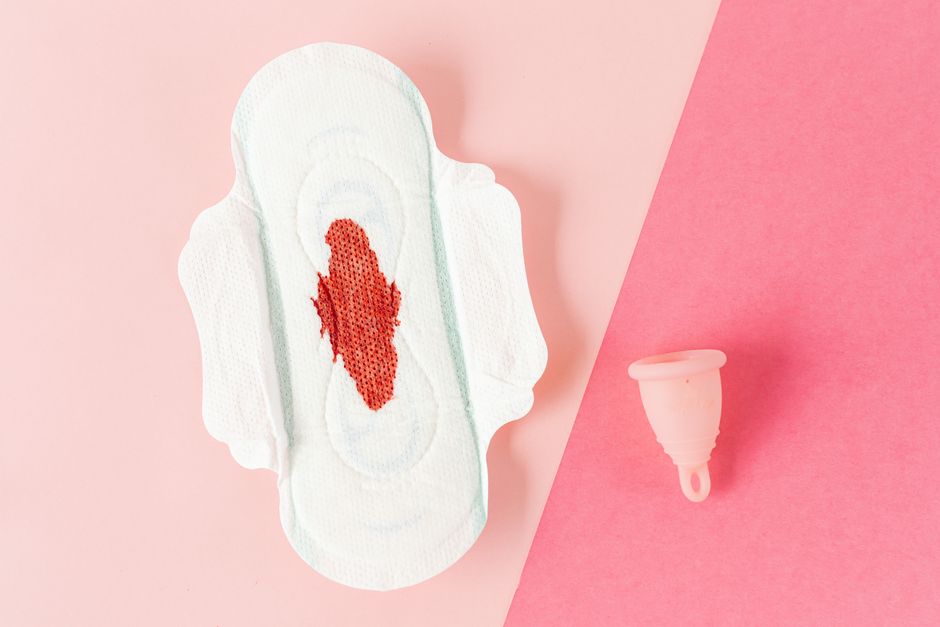
You can stop a period temporarily with hormonal birth control taken continuously, or stop it permanently with surgery that removes the uterus or ovaries. There is no safe way to stop a period on your own without medical input. Each option has real trade-offs, and what fits one person may not fit another.
This guide separates what the evidence clearly supports from what is uncertain. It covers hormonal methods, surgical options, and the popular “natural” remedies that do not work. It does not tell you what to choose. That decision belongs with a clinician who knows your health history.
How To Get Rid Of Your Period Temporarily Or Permanently?
Temporary methods work by changing hormones so the uterine lining does not build up and shed. Permanent methods physically remove the organs that produce the bleeding.
The temporary route is almost always hormonal contraception. The permanent route is surgery. Everything else — supplements, teas, extreme dieting — either does not work or carries serious risk.
One clarification that surprises many people: a “period” on most hormonal birth control is not a true menstrual period. It is a withdrawal bleed triggered by the placebo week. The lining has not built up the way it does in a natural cycle. This is why skipping that placebo week is possible in the first place.
Can Birth Control Stop Your Period Completely?
Yes. Certain hormonal methods can stop bleeding entirely for many users, and continuous use is an established clinical practice.
The combined pill can be taken continuously, skipping the placebo or hormone-free week. Many clinicians prescribe it this way for people who want fewer or no bleeds. Breakthrough bleeding is common in the first few months and often settles, though not always.
The hormonal IUD is one of the most effective options. Over time, many users stop bleeding altogether. The levonorgestrel-releasing IUD thins the uterine lining, and a substantial share of users report no bleeding after the first year. This is a recognized effect, not a side effect to worry about.
The contraceptive implant and the shot (depot medroxyprogesterone acetate) also frequently reduce or stop bleeding. Irregular spotting is common early on with all of these methods.
What the evidence does not support is the idea that skipping periods is inherently harmful. Research on extended and continuous hormonal regimens has not shown a clear danger from fewer bleeds. That said, any unexpected bleeding on these methods should be checked, because it can have other causes.
Is It Safe To Skip Your Period With Hormones?
For most healthy people, deliberately skipping periods with hormonal birth control is considered safe by the clinicians who prescribe it. The evidence base here is reasonably strong for short- and medium-term use.
The main caution is who should not use certain hormones. Combined estrogen-progestin methods carry known risks for people with a history of blood clots, certain migraines, high blood pressure, or who smoke and are over 35. These are established contraindications, not rumor. A clinician screens for them.
Progestin-only methods avoid the estrogen-related clot risk and are an option for many people who cannot use combined pills.
What is less certain is the very long-term picture of continuous use across decades. The data are reassuring but not infinite. This is a place where honest medicine says: the evidence is good, and it is not the same as proof across a lifetime.





What Permanent Options Exist To Stop Periods?
Surgery is the only permanent way to stop periods. There are two main categories, and they are not the same procedure.
- Hysterectomy removes the uterus. Periods stop permanently because there is no lining to shed. Depending on the type, the ovaries may be left in place, which means natural hormone production continues.
- Endometrial ablation destroys the uterine lining. It reduces or stops bleeding but is not guaranteed to eliminate periods, and pregnancy afterward is dangerous. It is generally reserved for people who are done having children.
- Removal of the ovaries (oophorectomy) stops the hormonal cycle but triggers surgical menopause, which has significant health implications and is not done lightly for period control alone.
These are major decisions. Hysterectomy is irreversible and carries surgical risks. Endometrial ablation can fail or require repeat procedures, and bleeding can return. No surgeon should offer these purely for convenience without a full conversation about risks and alternatives.
Permanent sterilization procedures like tubal ligation prevent pregnancy but do not stop periods. This is a common point of confusion worth stating plainly.
Do Natural Remedies Actually Stop Periods?
No. There is no herbal remedy, tea, or supplement with reliable clinical evidence that stops a period. This is one of the most oversold areas in women’s health.
Some products market themselves as menstrual regulators or hormone balancers. No study has confirmed these claims. Herbs are also not risk-free — some interact with medications or affect clotting.
Extreme calorie restriction or overexercising can stop periods, but this is not a method. It reflects the body shutting down reproductive function under stress, and it comes with bone loss, hormonal disruption, and other harms. It is a symptom of a problem, not a solution.
The honest position: if you want to stop your period, the tools that work are medical. Everything else is either unproven or unsafe.
What Are The Risks Of Stopping Your Period?
With medically supervised hormonal methods, the main risks are the known side effects of the specific contraceptive — spotting, mood changes, and for combined methods the clot risk in people with contraindications.
With surgery, the risks are those of any operation plus the specific consequences of removing organs. Hysterectomy carries risks of infection, bleeding, and adhesions. Removing the ovaries brings on menopause and its long-term effects on bone and heart health.
One risk worth naming clearly: stopping bleeding can mask a problem. If you have unexplained bleeding between periods, after sex, or after menopause, that needs evaluation regardless of what method you use. Do not assume a hormonal method explains abnormal bleeding without checking.
When Should You Talk To A Doctor?
Talk to a clinician before starting any method to stop your period, and sooner if you have warning signs. Heavy bleeding, bleeding between periods, bleeding after sex, or bleeding after menopause all warrant a medical visit.
Also seek care for severe pain with periods, fainting, or bleeding so heavy you soak through protection quickly. These can signal conditions that need diagnosis, not just management.
A good conversation covers your health history, your reasons for wanting to stop periods, and the full range of options. It should include what is reversible and what is not. If a clinician pushes surgery without discussing hormonal options, or dismisses your questions, a second opinion is reasonable.
Frequently Asked Questions
Can I stop my period for just one month?
Yes, by using hormonal birth control continuously to skip the placebo week for that cycle. This is a common and accepted practice, though you should confirm the right approach with a clinician.
Does the pill stop your period permanently?
No. Hormonal birth control only stops periods while you use it, and bleeding usually returns after you stop. Permanent stopping requires surgery.
Is it bad to never have a period?
For most healthy people using hormonal methods, research has not shown clear harm from having few or no periods. The main caution is screening for contraindications before starting combined hormonal methods.
Can you stop your period without birth control?
Not safely or reliably. No proven non-hormonal method exists for stopping periods, and extreme dieting or exercise that halts periods causes real harm.
