
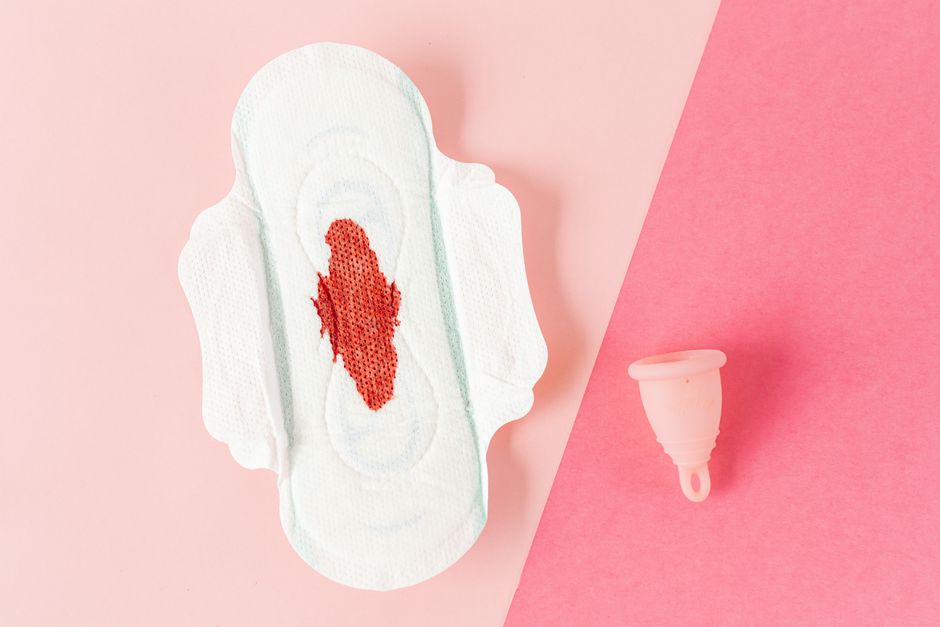
Missing a period when you are not pregnant usually comes down to a disruption in the hormonal chain that controls your cycle. The brain, pituitary gland, and ovaries must communicate in sequence for ovulation and bleeding to happen on schedule. Anything that interrupts that chain — stress, weight change, intense exercise, thyroid problems, rising perimenopausal hormone shifts, or a condition like polycystic ovary syndrome — can delay or skip a period. Doctors call a missed period amenorrhea, and the reason behind yours depends on your age, your health history, and whether the pattern is new or long-standing.
A single late period is common and often harmless. A pattern of missed periods deserves a proper look, because the cause shapes what happens next.
Why Do I Keep Missing My Period Common Causes?
The most common causes fall into a few clear groups: pregnancy, hormonal disruption from stress or weight, thyroid and prolactin problems, polycystic ovary syndrome, perimenopause, and certain medications. Each one interrupts the cycle at a different point.
Here is how the cycle is supposed to work. The hypothalamus in your brain releases gonadotropin-releasing hormone (GnRH). That signals the pituitary gland to release follicle-stimulating hormone (FSH) and luteinizing hormone (LH). Those hormones tell the ovaries to mature an egg and produce estrogen and progesterone. Estrogen builds the uterine lining, and progesterone holds it in place. If no pregnancy occurs, hormone levels fall, the lining sheds, and you bleed.
Break any link in that chain and the period can stop. The specific cause tells you where the break is happening.
- Pregnancy — the most common cause of a missed period in people who could conceive.
- Stress and hypothalamic disruption — the brain slows GnRH release under physical or emotional strain.
- Weight change and low energy availability — significant loss or gain, or not eating enough to fuel your activity, can shut down ovulation.
- Thyroid disorders — both an underactive and an overactive thyroid can disturb the cycle.
- High prolactin — this pituitary hormone can suppress ovulation when elevated.
- Polycystic ovary syndrome (PCOS) — a common hormonal condition that causes irregular or absent ovulation.
- Perimenopause — cycle length becomes unpredictable as ovarian function declines.
- Medications — some hormonal contraceptives, antipsychotics, and other drugs can affect bleeding patterns.
Could Stress or Weight Change Be Stopping My Period?
Yes. Stress and changes in body weight are among the most common reversible reasons for a missed period, and they work through the same mechanism: they quiet the hypothalamus.
The hypothalamus is sensitive to signals about safety and energy. When your body senses a threat — emotional stress, illness, very low body fat, or a large calorie deficit — it can reduce GnRH release. Without that signal, the pituitary slows FSH and LH, the ovaries do not ovulate, and estrogen falls. The result is a missed period, sometimes for months.
This is not about willpower. It is a physiological response, and it can happen at any body size. Someone can be in a larger body and still have low energy availability if they are training hard and eating too little. The pattern is sometimes called functional hypothalamic amenorrhea, and it is seen in endurance athletes, dancers, and people under sustained stress.
Rapid weight loss, eating disorders, and significant weight gain can all affect the cycle. The common thread is that the body is receiving a signal that this is not a safe time to reproduce.
What Hormonal Conditions Cause Missed Periods?
Several hormonal conditions can interrupt ovulation and cause missed periods. The most common is polycystic ovary syndrome, followed by thyroid disorders and elevated prolactin.
PCOS affects how the ovaries respond to hormonal signals. Many people with PCOS have elevated androgens, insulin resistance, and ovaries that do not release an egg regularly. Without ovulation, progesterone is not produced, the lining is not shed on schedule, and periods become irregular or absent. PCOS is diagnosed using a combination of symptoms, blood tests, and ultrasound findings, and diagnosis criteria vary somewhat between guidelines.
Thyroid disorders can cause either heavy or absent periods. Both hypothyroidism and hyperthyroidism disturb the hormonal balance that regulates the cycle. A simple blood test for thyroid-stimulating hormone (TSH) is usually part of the evaluation for missed periods.
Elevated prolactin, called hyperprolactinemia, can suppress GnRH and reduce ovulation. It can be caused by medications, thyroid problems, or a benign pituitary growth. A prolactin blood test is a standard part of the workup.
Less common causes include primary ovarian insufficiency, where the ovaries stop functioning before age 40, and certain genetic or structural conditions. These are less frequent but important to rule out, especially in younger people with persistently absent periods.





How Does Age Change the Picture?
Age narrows the likely causes considerably. The same missed period means different things at 25, 40, and 52.
In the teens and twenties, pregnancy, stress, weight change, PCOS, and thyroid problems are the leading explanations. Cycles can also be irregular for the first few years after menstruation begins, which is normal as the hormonal feedback system matures.
In the thirties and forties, the same causes apply, but perimenopause enters the picture. Perimenopause is the transition toward menopause, and it commonly begins in the mid-forties, though it can start earlier. During this time, estrogen and progesterone fluctuate unpredictably. Cycles may become shorter, longer, or skipped entirely. The hallmark is variability rather than a fixed pattern.
Menopause is defined as 12 consecutive months without a period, with no other cause. Until that point, pregnancy is still possible, even with irregular cycles, so contraception matters if you are not trying to conceive.
When Should a Missed Period Prompt a Doctor Visit?
See a doctor if you have missed three or more periods in a row without being pregnant, or if your cycle has changed significantly and you cannot explain why. A single late period rarely needs urgent attention, but a pattern should be evaluated.
Certain situations warrant a sooner visit:
- You have missed a period and had unprotected sex — take a pregnancy test first.
- You have other symptoms such as unusual hair growth, acne, hot flashes, nipple discharge, or vision changes.
- You are under 40 and have gone months without a period.
- You have a known medical condition, or you take a medication that can affect your cycle.
- You have severe pelvic pain, heavy bleeding between periods, or signs of infection.
Going without periods for a long time has consequences beyond convenience. Estrogen helps maintain bone density, and prolonged low estrogen from hypothalamic amenorrhea or ovarian insufficiency can contribute to bone loss over time. That is one reason persistent missed periods deserve a real evaluation rather than watchful waiting.
What Happens at a Doctor Visit for a Missed Period?
An evaluation for missed periods usually starts with your history and a pregnancy test, then moves to targeted blood tests and sometimes imaging. The goal is to find the cause, not just confirm that a period is absent.
Expect questions about your cycle history, stress, weight changes, exercise, medications, and family history. A pregnancy test is typically the first step. If it is negative, blood tests may check FSH, LH, estrogen, prolactin, thyroid function, and sometimes androgens. An ultrasound may be used to look at the ovaries and uterine lining.
The results point to the cause. High FSH in someone under 40 suggests primary ovarian insufficiency. Elevated prolactin points to a prolactin-related cause. A pattern of elevated androgens with irregular ovulation suggests PCOS. Normal or low FSH with low estrogen in someone under stress or low body weight points toward hypothalamic causes.
Treatment, when needed, depends entirely on what the tests show. There is no single fix for a missed period, and the right approach for PCOS is not the right approach for hypothalamic amenorrhea or thyroid disease.
Can Medications or Contraception Cause Missed Periods?
Yes. Some hormonal contraceptives are designed to reduce or stop bleeding, and several other medications can affect the cycle.
Continuous-use hormonal birth control, certain intrauterine devices, and the contraceptive implant commonly reduce or eliminate periods. This is an expected effect, not a problem, though it can be surprising if you are not expecting it. If you stop hormonal contraception, it can take time for your natural cycle to return, and the delay varies widely between individuals.
Other medications linked to cycle changes include some antipsychotics, certain antidepressants, opioids, and drugs that raise prolactin. If you started a new medication and your periods changed, that timing is worth mentioning to your doctor. Do not stop a prescribed medication on your own — talk to the prescriber first.
Frequently Asked Questions
How late can a period be before it counts as missed?
A period is generally considered late if it is more than a week past when you expected it. If your cycles are usually regular and you have gone several weeks without one, take a pregnancy test and consider seeing a doctor.
Can you miss a period without being pregnant?
Yes. Stress, weight change, intense exercise, thyroid problems, high prolactin, PCOS, perimenopause, and some medications can all cause a missed period without pregnancy. A negative pregnancy test does not mean there is no cause to look into.
Does a missed period always mean something is wrong?
No. A single skipped period is common and often has no serious cause. A pattern of missed periods, or a missed period with other symptoms, is what usually needs evaluation.
Can a missed period cause long-term health problems?
Going without periods for a long time can have health effects, including bone loss from prolonged low estrogen. The risk depends on the cause, which is why persistent missed periods are worth investigating.
