
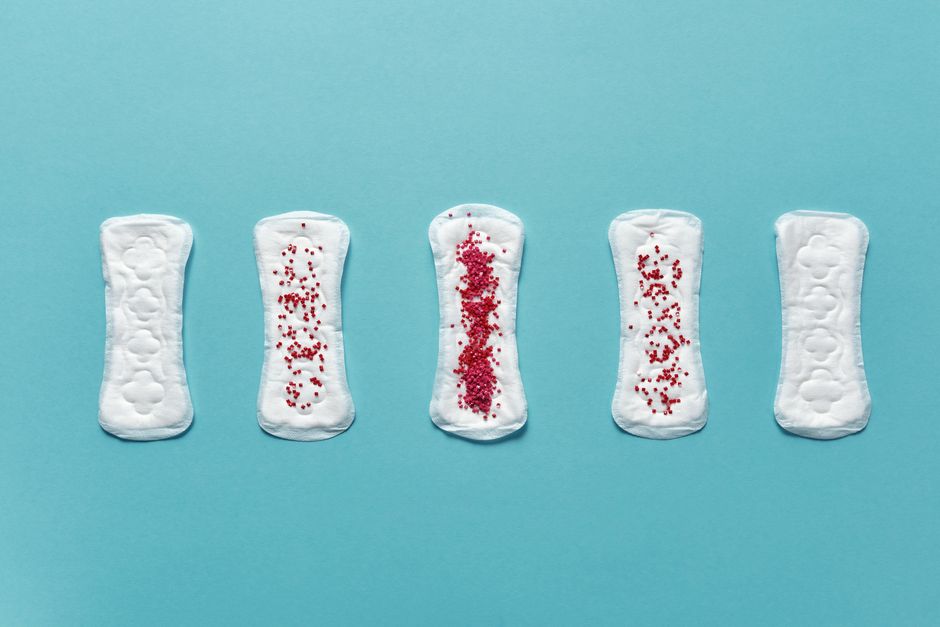
If your period is lasting longer than usual, the most common reasons are hormonal shifts, changes in birth control, or growths in the uterus such as fibroids or polyps. A single long period is often not serious. Periods that regularly run past seven days, or bleeding that soaks through a pad or tampon every hour, need a doctor’s attention.
Bleeding is only one sign your body gives you. The pattern matters too: when it started, how heavy it is, and whether anything else changed. That pattern is what helps a doctor figure out the cause.
Why Am I Still On My Period Causes And Treatments
A typical period lasts about three to seven days. Doctors generally consider bleeding that regularly lasts longer than seven days to be abnormal uterine bleeding, and it is worth evaluating. The cause usually falls into one of a few categories: hormones, structural growths, medications, or — less often — a bleeding disorder or thyroid problem.
Here is the key point that surprises many people. “Still on my period” can mean two different things. It might be a period that is simply running long. Or it might be bleeding between periods, or spotting that is not a true period at all. Those are different problems with different causes, and describing which one you have helps your doctor enormously.
Hormonal causes
Your menstrual cycle runs on a feedback loop between the brain and the ovaries. When that loop is disrupted, the lining of the uterus can shed unevenly — sometimes lightly and for a long time rather than in a clean few days.
Common hormonal triggers include:
- Perimenopause. As estrogen and progesterone levels swing, cycles often become irregular. Bleeding may get heavier, lighter, longer, or closer together. This is one of the most common reasons for changing periods in women in their 40s and early 50s.
- Polycystic ovary syndrome (PCOS). Irregular ovulation can lead to unpredictable bleeding patterns.
- Thyroid problems. Both an underactive and an overactive thyroid can disrupt menstruation.
- Weight change and stress. Significant weight loss or gain, intense exercise, and prolonged stress can all affect the hormones that drive the cycle.
Structural causes
Sometimes the bleeding comes from something physically present in the uterus.
- Fibroids are non-cancerous growths of the uterine muscle. They are very common and can cause heavy, prolonged bleeding.
- Polyps are small non-cancerous growths of the uterine lining. They frequently cause spotting or bleeding that drags on.
- Adenomyosis happens when tissue similar to the uterine lining grows into the muscle wall of the uterus. It often causes heavy, painful periods.
These are not cancer, but they can cause real symptoms and are treatable.
Medication and birth control causes
Hormonal birth control is a frequent culprit. Starting a new pill, an implant, an IUD, or a hormonal injection can cause irregular or prolonged bleeding, especially in the first few months. The copper IUD can also make periods heavier and longer.
Some blood thinners and other medications can increase bleeding as well. If your periods changed after you started a new medication, that timing is worth mentioning to your doctor.
Less common causes
Bleeding disorders, such as von Willebrand disease, can cause heavy periods that last longer than normal. This is uncommon but worth knowing about, particularly if heavy bleeding runs in your family or started around the time your periods first began.
Inflammation or infection of the cervix or uterus can also cause bleeding. In rare cases, prolonged or unusual bleeding can be a sign of endometrial cancer. This is uncommon in younger women but becomes more relevant after menopause. Any bleeding after menopause is not normal and should always be checked.
When Is a Long Period a Reason to See a Doctor?
See a doctor if your periods regularly last longer than seven days, if bleeding is heavy enough to soak through a pad or tampon every hour for several hours, or if you are bleeding between periods or after sex. These are signs worth evaluating, not signs to ignore.
Other reasons to get checked:
- Bleeding after menopause — this always needs evaluation
- Periods that suddenly become much heavier or longer than usual
- Dizziness, fatigue, or shortness of breath, which can signal anemia from blood loss
- Pelvic pain that comes with the bleeding
Heavy periods are common, and that can make people assume they are normal. They are common, but they are not something you have to live with untreated. Prolonged heavy bleeding can lead to iron-deficiency anemia over time, which causes tiredness and low energy. That is a real consequence, not a minor inconvenience.
How Doctors Find the Cause
There is no single test that identifies the cause. A doctor works through a combination of your history and a few targeted tests.
Expect questions about your bleeding pattern: how long it lasts, how heavy it is, when it started, and whether it changed after a new medication or life event. A pelvic exam is common. So are blood tests to check for anemia, thyroid function, and sometimes hormone levels.
An ultrasound is often the next step. It can show fibroids, polyps, and other structural causes. If needed, a doctor may recommend a procedure to look directly inside the uterus, which can confirm or rule out polyps and other growths.
Not every long period needs every test. A single unusual cycle in an otherwise regular pattern may simply be watched. A recurring pattern usually gets a closer look.





Treatment Options for Prolonged Bleeding
Treatment depends entirely on the cause, which is why getting a diagnosis matters more than guessing at a remedy. The options below are general categories, not a menu to pick from on your own.
Hormonal treatment
Hormonal birth control — pills, hormonal IUDs, implants, or injections — is often used to regulate bleeding and lighten periods. A hormonal IUD in particular is commonly used to reduce heavy bleeding. This is well-established clinical practice.
Treating structural causes
Polyps can often be removed in a minor procedure. Fibroids can be managed with medication or treated with procedures depending on size, symptoms, and whether you want to become pregnant. Adenomyosis is managed in several ways, and the best choice depends on your symptoms and goals.
Non-hormonal medication
Some non-hormonal medications can reduce bleeding. These are prescribed by a doctor and are not something to start on your own. If you are anemic, treating the anemia is part of the plan too.
What about home remedies?
You will find many claims online about supplements and foods that “balance hormones” or stop prolonged bleeding. No clinical evidence currently confirms that any supplement reliably shortens a period or treats the underlying cause of prolonged bleeding. Some people find heat and rest help with comfort, but comfort is not the same as treatment.
The Bottom Line on a Period That Won’t Stop
A period that runs a day or two past normal is usually not a concern. A pattern of long, heavy, or unpredictable bleeding is a signal worth acting on. The most likely causes — hormonal shifts, fibroids, polyps, and birth control changes — are common and treatable.
Tracking your cycles for a few months gives your doctor real information to work with. Note the dates, how long each period lasts, and how heavy the flow is. That record often shortens the path to an answer.
Frequently Asked Questions
How many days is too long for a period?
Bleeding that regularly lasts longer than seven days is considered abnormal and is worth evaluating by a doctor. A typical period lasts about three to seven days.
Why is my period lasting longer than usual all of a sudden?
A sudden change is often linked to hormones, a new medication or birth control method, or a growth such as a fibroid or polyp. A single unusual cycle can happen for many reasons, but a recurring pattern should be checked.
Can stress make your period last longer?
Prolonged stress can affect the hormones that control the menstrual cycle, which may change bleeding patterns. The effect varies from person to person, and other causes should still be considered.
When should I worry about prolonged bleeding?
Get medical attention if you soak through a pad or tampon every hour for several hours, feel dizzy or very tired, or have any bleeding after menopause. These signs need prompt evaluation.
