
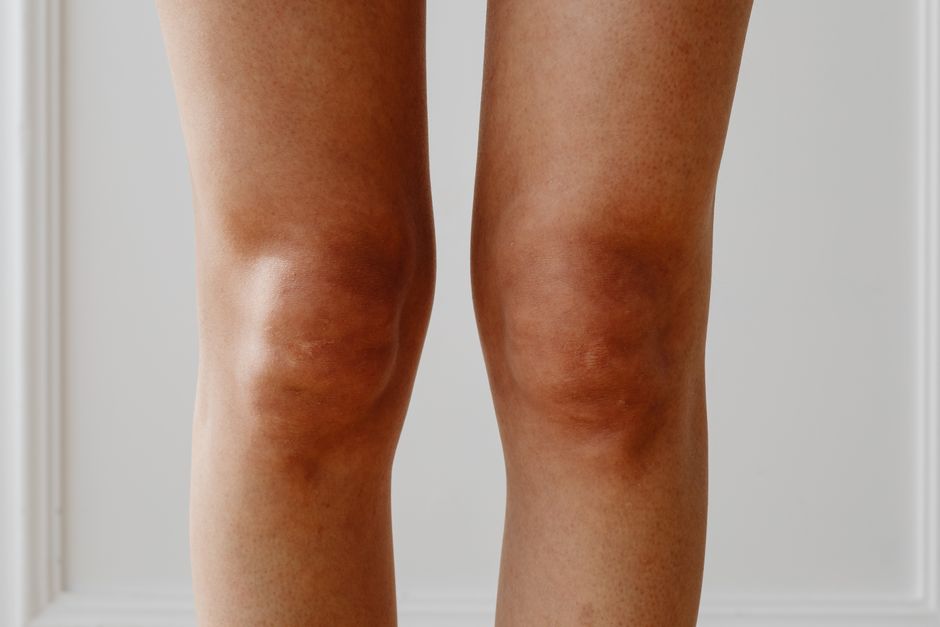
Inner knee pain that shows up at night is common, and it usually has a physical explanation rather than a mysterious one. When you lie down, your knee rests in a position it may not tolerate well, and the lack of daytime distraction makes any ache more noticeable. The pain itself is typically coming from a structure on the inner side of the joint — most often the medial meniscus, the medial collateral ligament, or the cartilage and bone beneath it. Nighttime is simply when you feel it most.
Why Do I Have Inner Knee Pain When Sleeping?
Sleep changes the mechanics of your knee. During the day, movement keeps joint fluid circulating and muscles active around the joint. At night you hold one position for long stretches, and that stillness can let pressure build on the inner side of the knee.
The inner, or medial, side of the knee is where several structures sit close together. These include the medial meniscus (a pad of cartilage that cushions the joint), the medial collateral ligament (MCL), and the cartilage lining the ends of the femur and tibia. Any of these can become a source of pain, and lying down can bring that pain forward.
There are a few reasons this happens specifically at night:
- Position. Sleeping on your side with the knees stacked can press the inner knee surfaces together. A bent, unsupported knee can also put uneven load through the joint.
- Reduced movement. Joint fluid thickens and circulates less when you are still, which can make a joint feel stiffer and more painful.
- Less distraction. The brain has nothing else competing for attention, so pain signals that were background noise during the day become the main event.
- Inflammation patterns. Some inflammatory joint conditions are worse at rest and after inactivity, which is why symptoms can seem louder overnight.
None of this means the pain is imaginary or “just” positional. It means the position and stillness of sleep are revealing a problem that is already there.
What Causes Inner Knee Pain That Worsens at Night?
Several distinct problems produce pain on the inner side of the knee. The location can narrow things down, but not perfectly — more than one structure can be involved at once.
Medial meniscus injury. The meniscus is a C-shaped pad of cartilage that cushions the knee. A tear can cause a sharp or aching pain on the inner joint line, sometimes with catching or locking. Degenerative meniscus tears become more common with age and can ache at rest.
Medial collateral ligament (MCL) strain. The MCL runs along the inner knee and stabilizes it against sideways force. A sprain from a twist or impact can leave the inner knee sore, and the soreness may be more noticeable when the knee is bent or pressed against the other leg in sleep.
Osteoarthritis. Wear of the cartilage on the inner side of the knee is a frequent cause of medial knee pain, especially in people over 50. Osteoarthritis pain often worsens with activity but can also be present at rest in more advanced cases.
Pes anserine bursitis. A small fluid-filled sac on the inner shin, just below the knee, can become inflamed. This produces pain slightly lower than the joint line, often worse when the knee is bent — including during sleep.
Medial plica irritation. A plica is a fold of tissue left over from development. When it becomes inflamed it can cause pain on the inner knee that mimics other conditions.
Because these causes overlap in location, a physical exam — and sometimes imaging — is usually needed to tell them apart. Self-diagnosis from the location of pain alone is unreliable.
Does Sleeping Position Make Inner Knee Pain Worse?
Yes, position matters, and it is one of the few factors you can change tonight.
Side sleeping is the most common trigger. When you lie on your side, the top leg often drops forward and down, which pulls the knee into a twisted position and presses the inner surfaces of both knees together. This can irritate the MCL, the meniscus, or an inflamed bursa.
Back sleeping with the legs straight is usually gentler on the knee, but a fully straight knee can feel stiff if you have osteoarthritis. A small pillow or rolled towel under the knee to keep it in slight bend often feels better than either extreme.
Stomach sleeping forces the knee into a straight or slightly hyperextended position and rotates the lower leg. For many people with medial knee pain, this is the least comfortable option.
A simple change that helps many side sleepers is placing a pillow between the knees. This keeps the hips, knees, and ankles aligned and reduces the inward collapse that loads the medial joint. It is not a treatment for the underlying problem, but it can reduce the nightly aggravation.





When Is Inner Knee Pain at Night a Sign of Something More Serious?
Most inner knee pain is mechanical and not dangerous. A few features, though, warrant prompt medical attention.
Seek care quickly if you have:
- Sudden swelling, redness, or warmth in the knee, especially with fever — this can indicate infection, which is a medical emergency.
- Inability to bear weight, or a knee that locks or gives way.
- Pain that began after a significant injury or fall.
- Night pain that is severe, constant, and unrelated to position — persistent night pain that wakes you from sleep and does not ease with movement deserves evaluation.
- Unexplained weight loss, night sweats, or pain in other joints alongside the knee pain.
These signs do not confirm a specific diagnosis. They are reasons to have a clinician look, because a small number of knee problems — infection, inflammatory arthritis, and rarely tumors — can present with night pain and need to be ruled out.
How Is Inner Knee Pain Evaluated?
Evaluation starts with a history and physical exam. A clinician will ask when the pain started, what makes it better or worse, and whether there was an injury. They will press along the joint line, test the ligaments, and check how the knee moves.
Imaging depends on what the exam suggests. X-rays show bone and joint space and can reveal osteoarthritis. MRI is better for soft tissues like the meniscus, ligaments, and cartilage, but it is not needed for every case.
If an inflammatory condition is suspected — such as gout or rheumatoid arthritis — blood tests or joint fluid analysis may be used. These are not routine for simple mechanical knee pain.
What Actually Helps Inner Knee Pain at Night?
The right approach depends on the cause, so the most useful first step is getting an accurate diagnosis. That said, a few general measures are widely used and reasonable while you sort that out.
Adjust your sleep position. A pillow between the knees for side sleepers, or a small support under the knee for back sleepers, reduces strain on the medial joint. This is a comfort measure, not a cure.
Manage activity load. Avoiding the specific movements that flare the pain — deep squatting, pivoting, or prolonged kneeling — can calm an irritated structure. Complete rest is rarely helpful and can stiffen the joint.
Cold or heat. Ice can reduce swelling after activity. Heat can ease stiffness. Neither treats the underlying cause, and evidence for their effect on knee pain specifically is limited.
Strengthening. For many knee problems, particularly osteoarthritis, strengthening the muscles around the knee and hip is one of the better-supported approaches. A physical therapist can tailor this to your diagnosis. It takes weeks to months to see benefit, not days.
Medication. Over-the-counter pain relievers are commonly used. Which one is appropriate depends on your health history, other medications, and the cause of the pain. A pharmacist or clinician can advise. Do not start or combine pain medications without checking, especially if you have kidney, liver, stomach, or heart conditions.
What does not have strong evidence: most topical “joint” creams marketed for knee pain, copper or magnetic braces, and supplements claiming to rebuild cartilage. No large human trials have confirmed that these reverse joint damage.
What Does the Evidence Say About Long-Term Outcomes?
Outcomes vary widely by cause. A simple MCL sprain often improves over several weeks with conservative care. A degenerative meniscus tear may settle with physical therapy, though some people continue to have intermittent symptoms. Osteoarthritis is typically managed rather than cured, and symptoms can fluctuate over years.
The honest position is that no single treatment works for everyone, and the evidence for many common interventions is mixed. What consistently helps across most knee conditions is staying active within tolerance, maintaining muscle strength, and addressing the specific mechanical problem a clinician identifies.
If night pain is disrupting your sleep regularly, that alone is a reason to get it looked at. Poor sleep makes pain feel worse, and worse pain makes sleep harder — a loop worth breaking early.
Frequently Asked Questions
Why does my inner knee hurt more at night?
Lying still for hours reduces joint fluid circulation and lets pressure build on the inner knee, and the lack of daytime distraction makes the pain more noticeable. The position you sleep in can also press or twist the medial joint.
What does inner knee pain at night usually mean?
It most often points to a problem with the medial meniscus, the medial collateral ligament, or osteoarthritis on the inner side of the knee. Only a physical exam and sometimes imaging can tell these apart.
Should I sleep with a pillow between my knees for inner knee pain?
A pillow between the knees can reduce strain on the inner joint for side sleepers and is a reasonable comfort measure. It does not treat the underlying cause, so persistent pain still needs evaluation.
When should I worry about knee pain that wakes me at night?
Get medical care if the pain is severe and constant, comes with swelling, redness, or fever, or if you cannot bear weight. Persistent night pain that does not ease with movement should always be checked.
