
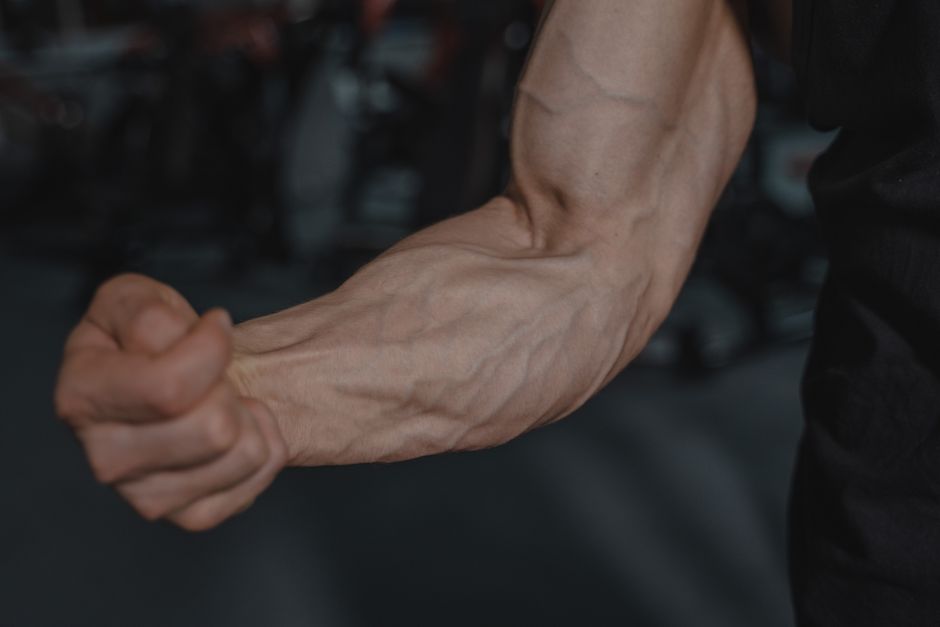
Forearm pain can come from the muscles, tendons, nerves, bones, or joints in the lower arm, and the cause determines whether it feels like a dull ache, a sharp sting, or tingling numbness. Most cases trace back to overuse, injury, or nerve compression rather than something serious. Where the pain sits and how it behaves — worse with gripping, worse at night, or paired with numbness — usually points to the source.
What Is Forearm Pain and What Does It Feel Like?
The forearm is the section of your arm between the elbow and the wrist. It contains two long bones called the radius and ulna, plus a dense arrangement of muscles, tendons, nerves, and blood vessels. Pain in this region can originate in any of these structures, and it can also be referred from the elbow, wrist, or neck.
Doctors often sort forearm pain by its character. That distinction matters because it narrows the list of possible causes quickly.
- Aching or burning that builds during activity — often muscular or tendon-related
- Sharp or stabbing pain at a specific spot — often a strain, tear, or fracture
- Tingling, numbness, or electric shock — suggests a nerve is involved
- Swelling, warmth, or redness — points toward inflammation or infection
One detail worth knowing: forearm pain is not always a forearm problem. The median, ulnar, and radial nerves travel from the neck, through the shoulder and elbow, and into the hand. A pinched nerve in the neck can produce pain that feels like it is in the forearm. This is why a clinician will often examine the neck and shoulder even when the complaint is lower down.
What Causes Forearm Pain Symptoms And Relief?
The most common causes are overuse injuries of the tendons and muscles, followed by nerve compression conditions like carpal tunnel syndrome and cubital tunnel syndrome. Less often, the cause is a fracture, arthritis, or a referred problem from the neck. Below are the main categories and how each typically behaves.
Tendon and Muscle Overuse
Repetitive gripping, lifting, or typing can inflame the tendons that anchor forearm muscles to the elbow. Two well-known versions are tennis elbow (lateral epicondylitis) and golfer’s elbow (medial epicondylitis). Despite the names, most people who develop them do not play those sports — they are more often linked to jobs and hobbies involving repeated wrist and arm motion.
Tennis elbow pain sits on the outside of the elbow and can radiate down the forearm. Golfer’s elbow sits on the inside. Both tend to worsen with gripping or lifting and ease with rest. The underlying problem is usually a breakdown of tendon tissue rather than pure inflammation, which is why the condition can take weeks to months to settle.
Nerve Compression
Carpal tunnel syndrome happens when the median nerve is compressed as it passes through the wrist. It causes numbness and tingling in the thumb, index, and middle fingers, and it can produce aching that travels up the forearm. Symptoms often worsen at night.
Cubital tunnel syndrome involves the ulnar nerve at the inner elbow — the spot you hit when you bang your “funny bone.” It causes tingling in the ring and little fingers and can cause forearm aching along the inner side.
Radial tunnel syndrome affects the radial nerve near the elbow and typically causes a deep, dull ache in the upper forearm without much numbness. It is often mistaken for tennis elbow because the pain location overlaps.
Injury and Fracture
A direct blow, a fall onto an outstretched hand, or a twisting injury can fracture the radius or ulna. Forearm fractures are painful, usually swollen, and often make it hard to rotate the palm up or down. These need prompt medical evaluation.
Muscle strains from sudden heavy lifting are also common. These produce pain that is sharp at first and then becomes a sore ache over the next day or two.
Arthritis and Other Causes
Osteoarthritis can affect the joints where the forearm bones meet the elbow and wrist. Rheumatoid arthritis more often causes symmetrical joint pain and swelling in both arms. Both can produce forearm discomfort, though the joint itself is usually the primary source.
Less common causes include infections of the skin or deeper tissue, blood clots in the arm veins, and compressed nerves in the neck. These are not typical explanations for ordinary forearm pain, but they matter because they need different treatment.
When Should Forearm Pain Be Checked by a Doctor?
Most mild forearm pain from overuse settles on its own within a few weeks. Some signs, though, mean you should not wait.
- You cannot move your wrist, hand, or fingers normally
- The arm looks deformed or bent at an odd angle
- There is severe swelling, warmth, or redness
- You have numbness that does not go away, or weakness in the hand
- Pain started after a fall, accident, or direct injury
- You have chest pain, shortness of breath, or pain spreading to the jaw or shoulder
That last point is not about the forearm itself. Heart attack pain can radiate down the left arm, and it should never be assumed to be a muscle problem. If chest symptoms are present, seek emergency care.
Numbness and weakness deserve attention because ongoing nerve compression can, over time, cause permanent changes if it is not addressed.





How Is Forearm Pain Treated?
Treatment depends entirely on the cause, so the first step is usually an accurate diagnosis. A clinician will ask about your activities, examine the arm, and may order imaging or nerve studies if a fracture or nerve problem is suspected.
For common overuse and tendon problems, the general approach includes:
- Rest and activity modification — reducing the motion that triggers pain
- Ice for recent injuries to help with swelling
- Over-the-counter pain relievers such as acetaminophen or NSAIDs, used as directed
- Bracing or splinting to limit strain on the affected area
- Physical therapy to strengthen the muscles and improve movement patterns
For nerve compression, treatment may include wrist splints (especially at night), activity changes, and in some cases corticosteroid injections or surgery. The choice depends on how severe the compression is and whether it is getting worse.
It is worth being honest about what the evidence shows. Steroid injections for tennis elbow can reduce pain in the short term, but some studies suggest they may not improve long-term outcomes and could even raise the risk of recurrence. Physical therapy and a graded loading program often have better long-term results, though recovery can be slow. No single treatment works for everyone, and responses vary widely.
Surgery is generally reserved for cases that do not improve with other approaches, or for fractures and severe nerve compression. It is not a first-line option for ordinary overuse pain.
What Helps Forearm Pain at Home?
For mild, non-injury forearm pain, a few basic steps can help while the tissue settles.
Give the arm a break from the activity that caused the pain. If you type for work, take short breaks and adjust your setup so your wrists stay in a neutral position. If you lift weights, reduce the load and avoid movements that reproduce the pain.
Ice can help in the first day or two after a strain. After that, some people find gentle heat more soothing for muscle tightness. Neither is a cure — they manage symptoms while the tissue heals.
Gentle stretching and strengthening, guided by a physical therapist when possible, help restore function. Pushing through sharp pain usually makes tendon problems worse, not better.
Be cautious with claims you see online. Devices, creams, and supplements marketed for forearm pain often have little or no clinical evidence behind them. No study has confirmed that most of these products change the underlying problem.
How Long Does Forearm Pain Usually Last?
Minor strains and overuse aches often improve within a few days to a couple of weeks with rest and activity changes. Tendon conditions like tennis elbow can take much longer — commonly several weeks to several months — and sometimes linger beyond that.
Nerve compression symptoms may improve with splinting and activity changes, but recovery time varies. Severe or long-standing nerve compression may need more involved treatment.
Fractures typically take several weeks to heal, and full strength and motion can take longer to return. Your doctor’s timeline will depend on the specific break and your overall health.
If pain is not improving, getting worse, or coming with numbness or weakness, that is a signal to get it looked at rather than wait it out.
Frequently Asked Questions
What is the most common cause of forearm pain?
Overuse of the forearm muscles and tendons is the most common cause, often from repetitive gripping, lifting, or typing. Nerve compression conditions like carpal tunnel syndrome are also frequent causes.
Can forearm pain be a sign of a heart problem?
Yes, in some cases. Heart attack pain can radiate down the left arm, so if forearm pain comes with chest pain, shortness of breath, or pain spreading to the jaw or shoulder, seek emergency care immediately.
Should I use ice or heat for forearm pain?
Ice is generally used in the first day or two after a strain to reduce swelling, while gentle heat may help with muscle tightness later. Neither treats the underlying cause, so see a doctor if pain persists.
When should I see a doctor for forearm pain?
See a doctor if you cannot move your hand or wrist normally, have persistent numbness or weakness, notice severe swelling or deformity, or if the pain started after an injury. Ongoing pain that is not improving also warrants a visit.
