
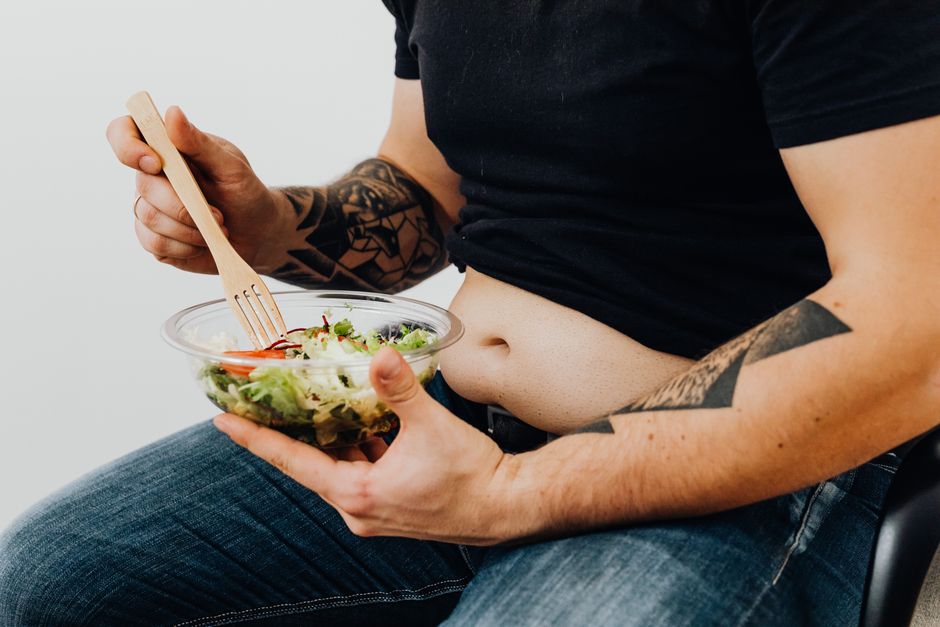
Fat that sits high on the abdomen, just below the breasts, is one of the most common places people want to change. It is also one of the hardest areas to spot-reduce, because no exercise burns fat from a chosen spot. The real answer is that upper belly fat comes down through overall fat loss, and how well that works depends on genetics, hormones, age, and how much the fat sits under the skin versus deep inside the abdomen. There is no food, tea, wrap, or 10-minute routine that removes it on its own.
What Is the Fat Under Your Breasts, Exactly?
The soft tissue you can pinch under the breasts is usually subcutaneous fat. That is the fat stored just beneath the skin. It is the kind most people can grab with their fingers, and it is common on the upper abdomen, especially in men and in women after menopause.
There is a second type that matters more for health. Visceral fat sits deep inside the belly, wrapped around the organs. You cannot pinch it. A belly that feels firm and pushes outward often signals more visceral fat than a belly that feels soft and jiggly. Visceral fat is the type linked to heart disease, type 2 diabetes, and metabolic problems. Subcutaneous fat is far less harmful to health, though it is often the type people dislike most in the mirror.
This distinction matters because the two types respond to the same basic levers — overall fat loss — but visceral fat tends to come off faster when you lose weight, while subcutaneous fat in the upper belly can be stubborn and slow to change.
Why Does Fat Collect Under the Breasts?
Where your body stores fat is largely set by genetics and hormones, not by your choices. Some people gain weight first in the hips and thighs. Others gain it first in the belly and chest area. If your upper abdomen is your body’s preferred storage site, it will be among the last places to shrink when you lose fat.
Hormones shape this pattern over a lifetime. Estrogen influences where women store fat, and after menopause, fat tends to shift toward the abdomen. Cortisol, the body’s main stress hormone, also promotes fat storage in the belly when levels are chronically high. Insulin resistance, which often develops alongside excess weight, is tied to increased visceral fat as well.
Age plays a part too. Muscle mass tends to decline with age, and a slower metabolism plus less activity can gradually increase abdominal fat even if your weight stays roughly the same. None of this means the fat is permanent. It means the pattern is not random, and it explains why two people doing the same workout can see very different results.
Can You Target Fat Under the Breasts With Exercise?
No. Spot reduction does not work. This is one of the most consistent findings in exercise science. Doing crunches, planks, or chest exercises will strengthen the muscles underneath, but it will not burn the fat sitting on top of them. The body releases fat from all over when it needs energy, and it does not take requests.
That does not make exercise useless. It just means exercise is a tool for overall fat loss and for building muscle, not a laser for one area. Resistance training helps preserve muscle while you lose fat, which keeps your metabolism from dropping as much. Cardiovascular exercise burns calories and supports heart health.
The honest summary: you can strengthen your core and improve posture, which can change how your midsection looks. You cannot exercise the fat away from one specific spot.
-
 How to Get Rid of Man Breasts and Belly Fat? What Experts Recommend
 -
Is Belly Fat the Last to Go? Everything You Need to Know
-
How Long Will it Take to Burn Belly Fat? Everything You Need to Know
-
How to Trim Belly Fat? What You Need to Know
-
Japanese Water Ritual for Weight Loss. Nagano Tonic Reviews & Ingredients.



What Actually Reduces Upper Belly Fat?
A calorie deficit is the only reliable way to lose fat. That means taking in fewer calories than you burn, consistently, over weeks and months. How you create that deficit matters less than whether you can stick with it. Some people do better cutting refined carbohydrates and sugar. Others do better with smaller portions of everything.
Protein deserves attention. Eating enough protein helps preserve muscle during weight loss and tends to keep you full. Fiber from vegetables, beans, and whole grains does the same. Both are practical levers that make a calorie deficit easier to maintain.
Sleep and stress are not soft factors. Short sleep and ongoing stress raise cortisol and make appetite harder to control. In practice, people who sleep poorly tend to eat more and lose fat more slowly. This is well established, even though the exact size of the effect varies.
Alcohol is worth a hard look. It adds calories, tends to reduce sleep quality, and is associated with greater abdominal fat in some studies. Cutting back is one of the simplest changes that often shows up around the middle.
What does not work, despite heavy marketing:
- Fat-burning creams and wraps. No study has confirmed these remove fat.
- Detox teas and “flat tummy” supplements. Most act as laxatives and do not reduce fat.
- Waist trainers and compression garments. These squeeze tissue temporarily and change nothing underneath.
- Vibration belts and passive machines. These do not produce meaningful fat loss.
Do Hormones and Menopause Change the Picture?
Yes, and this is often the missing piece for women in their 40s and 50s. As estrogen declines during perimenopause and menopause, fat storage shifts away from the hips and thighs and toward the abdomen. This happens even when weight stays the same, because the distribution changes.
This shift is normal and expected. It does not mean you have done something wrong. It does mean the same diet and routine that worked at 35 may not produce the same result at 50, and adjustments are often needed.
For men, declining testosterone with age is associated with increased abdominal fat, though the relationship is complex and not fully understood. In both cases, the core advice is unchanged: overall fat loss, muscle preservation, sleep, and stress management.
One clarification worth stating: a small amount of firm tissue directly behind the nipple area in men is sometimes not fat at all. It can be glandular tissue, a condition called gynecomastia. It does not respond to diet or exercise the way fat does. If you notice a firm lump, tenderness, or discharge, see a doctor rather than assuming it is fat.
When Should You See a Doctor?
Talk to a doctor if your belly grows quickly, feels firm and distended, or comes with other symptoms like pain, bloating that does not go away, or unexplained weight change. These can point to fluid retention, organ problems, or other conditions that are not about fat.
Also see a doctor if you have signs of a metabolic problem: high blood pressure, high blood sugar, or a waist that keeps growing despite real effort. A simple blood test can check blood sugar and cholesterol, and these numbers matter more for your health than how your upper belly looks.
For most people, upper belly fat is not a medical emergency. It is a signal worth taking seriously, especially when the belly is firm and large. Getting checked is reasonable, not alarmist.
What About Surgery and Procedures?
Liposuction and procedures like CoolSculpting can remove subcutaneous fat from specific areas, including the upper abdomen. They are real options for the fat you can pinch. They are not weight-loss treatments, and they do not remove visceral fat. They also carry risks, cost, and the possibility of uneven results.
These procedures are generally considered cosmetic, not medically necessary. Whether they are worth it is a personal decision, and results vary. They do not replace the basics: diet, movement, sleep, and stress. If you are still gaining fat overall, a procedure will not fix that.
The Bottom Line
There is no shortcut to getting rid of upper belly fat under the breasts. The fat leaves when your overall body fat drops, and that takes time, consistency, and a plan you can actually live with. Genetics and hormones set where fat goes first, so this area may be slow to change. That is frustrating, but it is honest.
Focus on the levers that work: a sustainable calorie deficit, enough protein and fiber, regular movement including strength training, better sleep, and less alcohol. Skip the creams, teas, and gadgets. If your belly is firm, growing fast, or comes with other symptoms, get it checked. Otherwise, give it months, not days, and measure progress by how you feel and your health numbers, not just the mirror.
Frequently Asked Questions
Can you get rid of upper belly fat under the breasts without losing weight?
In most cases, no. That fat shrinks when your overall body fat drops, which usually means losing some weight. Building muscle and improving posture can change how the area looks, but they do not remove the fat itself.
Do crunches or chest exercises burn fat under the breasts?
No. Spot reduction does not work, so crunches and chest exercises strengthen muscle but do not burn fat from that specific area. Fat is released from all over the body, not from the spot you are working.
Why did my upper belly fat increase after menopause?
Falling estrogen shifts where the body stores fat, moving it from the hips and thighs toward the abdomen. This happens even when your weight stays the same, and it is a normal part of the transition.
Do fat-burning creams or waist trainers remove upper belly fat?
No. No study has confirmed that creams, wraps, or waist trainers remove fat. They may change how the area looks for a short time, but they do not reduce fat underneath.
