
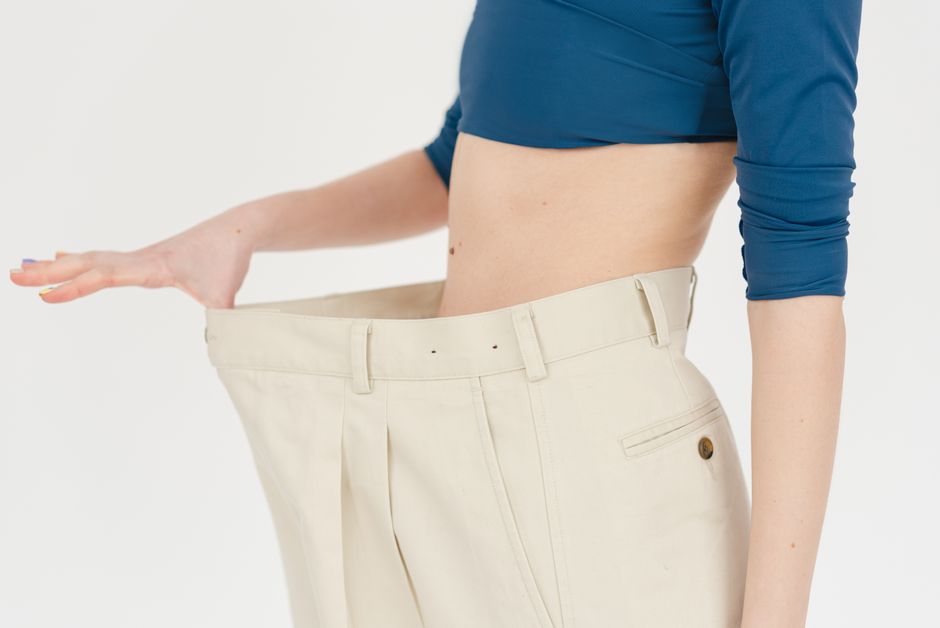
Man breasts and belly fat often show up together, and that is not a coincidence. Both are strongly linked to how your body stores fat and responds to hormones. The most effective approach is not a single trick but a combination of targeted exercise, dietary changes, and honest attention to the underlying causes like excess body fat and, in some cases, hormonal shifts. Experts agree that reducing overall body fat is the cornerstone, and specific chest exercises build the muscle underneath to improve shape as fat decreases.
What Causes Man Breasts and Belly Fat to Develop Together?
Understanding why these two areas are linked starts with how the body stores fat. Men typically store excess fat in the abdomen and chest. This is largely driven by hormones, particularly testosterone and estrogen. When body fat increases, it can lead to a relative imbalance. Fat tissue itself contains an enzyme called aromatase, which converts testosterone into estrogen. More body fat can mean more estrogen, which can promote further fat storage in the chest and belly.
This creates a cycle. Excess fat leads to higher estrogen, which can make it harder to lose that fat. This is not a permanent trap, but it explains why stubborn belly fat and chest fat often resist simple dieting. The goal is to break the cycle by reducing overall fat mass, which helps restore a healthier hormonal environment.
Genetics also play a role. Some men simply store fat in the chest area first. This does not change the strategy, but it does affect how quickly you see results. You cannot spot-reduce fat from the chest or belly. Fat loss happens systemically, meaning you lose it from all over, but you may notice it leaving the belly and chest last if that is where you tend to store it.
What Is the Difference Between Chest Fat and Glandular Breast Tissue?
This distinction matters because the treatment is different. True man breasts, or gynecomastia, involve glandular breast tissue. This tissue feels firm or rubbery, often located directly behind the nipple. It can be tender. Chest fat, on the other hand, feels soft and is simply subcutaneous fat over the pectoral muscles.
Gynecomastia is driven by hormonal changes, not just body weight. It can occur during puberty, with aging, or as a side effect of certain medications or health conditions. If the chest area feels like a firm disc under the nipple rather than general soft fat, it may be glandular tissue. Exercise and diet will not remove glandular tissue. Only surgery can physically remove it.
However, many men have a combination of both. They have glandular tissue plus excess chest fat. In that case, losing body fat can reduce the fatty component and improve the overall contour, even if the glandular component remains. If you are unsure what you have, a doctor can help distinguish between the two with a physical exam or imaging.
What Exercises Actually Build the Chest and Reduce Belly Fat?
Exercise is essential, but the type matters. Compound movements that work multiple muscle groups burn more calories and build more muscle than isolation exercises. For the chest, the most effective exercises are presses and push-ups. These target the pectoralis major, the large muscle that gives the chest its shape.
Building this muscle is important because it provides structure. As fat decreases, a developed pectoral muscle creates a firmer, more defined contour. Without muscle underneath, losing chest fat can leave loose skin or a flat, hollow appearance. Focus on movements like the bench press, incline press, push-ups, and dips.
For the belly, the reality is that crunches will not remove belly fat. Belly fat is reduced through overall calorie expenditure and a calorie deficit. Full-body exercises like squats, deadlifts, and rows burn more energy and build more muscle than isolated ab work. These large movements also improve insulin sensitivity, which is directly linked to abdominal fat storage.
A practical routine includes two to three days of full-body strength training per week. Include at least one horizontal push (bench press), one vertical push (overhead press), one pull (rows), and one lower-body movement (squats). This covers the chest while promoting the muscle growth that supports fat loss.




How Does Diet Affect Belly Fat and Chest Fat?
Diet drives fat loss more than exercise. You cannot out-train a poor diet. The fundamental requirement is a calorie deficit, meaning you consume fewer calories than your body burns. This is the only proven way to reduce body fat. Protein intake is the most important dietary factor for preserving muscle while losing fat.
Higher protein intake helps in two ways. It increases satiety, so you feel fuller with fewer calories. It also provides the building blocks needed to maintain and build muscle tissue. Aim for a protein source at every meal. Good options include chicken, fish, eggs, Greek yogurt, and legumes. The goal is to preserve muscle mass so that the weight you lose is fat, not muscle.
Carbohydrates and fats are not the enemy. The total calorie intake matters more than the specific macronutrient ratio. However, reducing refined carbohydrates and added sugars can help manage hunger and blood sugar. These foods are calorie-dense and less satiating. Replacing them with vegetables, fruits, and whole grains makes a calorie deficit easier to sustain.
Alcohol is a specific concern for belly fat. It provides empty calories, and it can reduce testosterone levels temporarily. It also tends to increase appetite and reduce inhibitions around food choices. Reducing alcohol intake, especially beer and sugary mixed drinks, is a practical step for many men trying to lose abdominal fat.
How Long Does It Take to See Results?
Results take time, and expectations matter. A safe and sustainable rate of fat loss is about one to two pounds per week. This requires a calorie deficit of roughly 500 to 1000 calories per day. Visible changes in the chest and belly may take eight to twelve weeks of consistent effort. This is not a quick fix.
Muscle growth is also slow. Building a noticeable amount of chest muscle can take months of progressive overload, meaning you gradually increase the weight or reps over time. The combination of losing fat and building muscle produces the best aesthetic result, but it is a gradual process. Do not expect dramatic changes in the first month.
The scale is not the only measure of progress. Take measurements of your chest and waist. Track how your clothes fit. Progress photos every two to four weeks can show changes that the scale misses. If you are losing inches but the scale is not moving much, you may be losing fat and gaining muscle, which is a positive outcome.
When Should You See a Doctor About Man Breasts?
There are situations where medical evaluation is necessary. If the breast area is painful, has a firm lump, or there is any nipple discharge, see a doctor. These symptoms require evaluation to rule out other conditions. This is not something to ignore or self-treat.
If you have been consistent with diet and exercise for several months and see no change in chest size, a doctor can check your hormone levels. Low testosterone or high estrogen can make fat loss difficult. These are treatable conditions, but they require proper diagnosis. Do not self-prescribe testosterone or estrogen blockers. These are potent medications with side effects, and they require medical supervision.
Certain medications can also cause breast tissue growth. These include some blood pressure medications, anti-androgens used for prostate conditions, and some antidepressants. If you notice breast growth after starting a new medication, discuss it with your prescribing doctor. Do not stop the medication on your own.
Can Supplements Help Reduce Belly Fat and Chest Fat?
The supplement market for fat loss is large, but the evidence is thin. No supplement has been proven to spot-reduce fat from the chest or belly. Most fat-burning supplements contain caffeine or similar stimulants. These may slightly increase calorie expenditure, but the effect is small and often fades with regular use.
Some research suggests that certain compounds may have modest effects on fat metabolism. Green tea extract and caffeine have some evidence for increasing energy expenditure slightly. However, the effect is too small to produce visible results without a calorie deficit and exercise. No clinical evidence currently confirms that any supplement can target chest fat or belly fat specifically.
Be cautious with any product claiming to “burn belly fat” or “eliminate man breasts.” These claims are not supported by clinical evidence. The money spent on these products is better directed toward quality food and a consistent exercise routine. There is no shortcut around the fundamentals of calorie balance and muscle-building exercise.
Frequently Asked Questions
Can you lose man breasts through exercise alone?
Exercise alone is unlikely to remove man breasts if they are caused by glandular tissue. If the chest is mostly fat, exercise combined with a calorie deficit can reduce it, but diet is the primary driver of fat loss.
What is the fastest way to lose belly fat and chest fat?
The fastest sustainable approach is a moderate calorie deficit combined with strength training and adequate protein intake. Crash diets lead to muscle loss and often result in regaining the weight.
Does gynecomastia go away with weight loss?
Weight loss can reduce the fatty component of the chest, which improves appearance, but it will not remove glandular breast tissue. If glandular tissue is present, it remains regardless of weight loss.
Are man boobs caused by low testosterone?
Low testosterone can contribute to an imbalance between testosterone and estrogen, which may promote breast tissue growth. However, it is not the only cause, and hormone testing is needed to confirm this.
